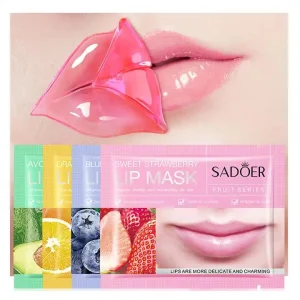
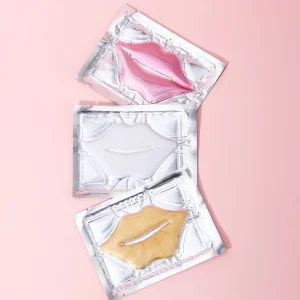
The Northern European skincare industry, specifically the Netherlands beauty market, has undergone a fundamental transformation over the last 36 months. Driven by volatile maritime climates, high consumer purchasing power, and a strong preference for ecological safety, the demand for specialized lip care products has grown significantly. Once viewed as secondary cosmetics, lip masks, lip oils, and lip sleeping masks are now essential parts of daily facial care routines.
For Dutch cosmetic distributors, retailers, and private label owners, finding reliable lip mask suppliers and exporters is essential for maintaining supply chain resilience. This whitepaper analyzes manufacturing processes, regulatory compliance under the European Commission, formulation trends, and logistics between Chinese factories and the port of Rotterdam.
Specially selected formulations matching European consumer preferences for intense moisturization, vegan certification, and lightweight textures.
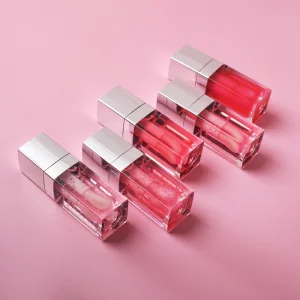
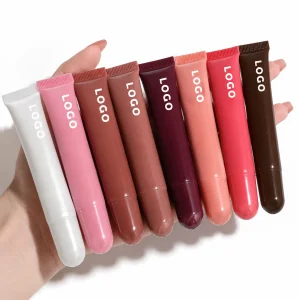
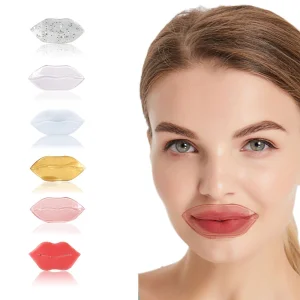
Analyzing cold climates, purchasing channels, and localized consumer preferences in the Low Countries.
The Netherlands experiences a temperate maritime climate characterized by cool summers and mild winters. However, constant wind exposure from the North Sea and rapid shifts in humidity create a dry environment for skin. Because lips lack sebaceous glands, they dry out quickly. This has led to a shift from basic waxes to intensive overnight lipid barrier repairs.
Dutch consumers lead Europe in environmental awareness. With the Dutch government's stance on microplastics and the EU's push to phase out synthetic polymers, B2B buyers must source lip masks that are free from microplastics, silicones, and petrolatum, and instead feature organic hydrogels and natural plant oils.
Platforms like Kruidvat, Etos, and Douglas are heavily influenced by digital trends. Social media platforms like TikTok have made aesthetic packaging, "plumping" results, and unique textures (such as collagen crystal sheets and night jellies) major sales drivers for the younger demographic in the Netherlands.
Evaluating manufacturing scale, supply metrics, and B2B procurement benefits.
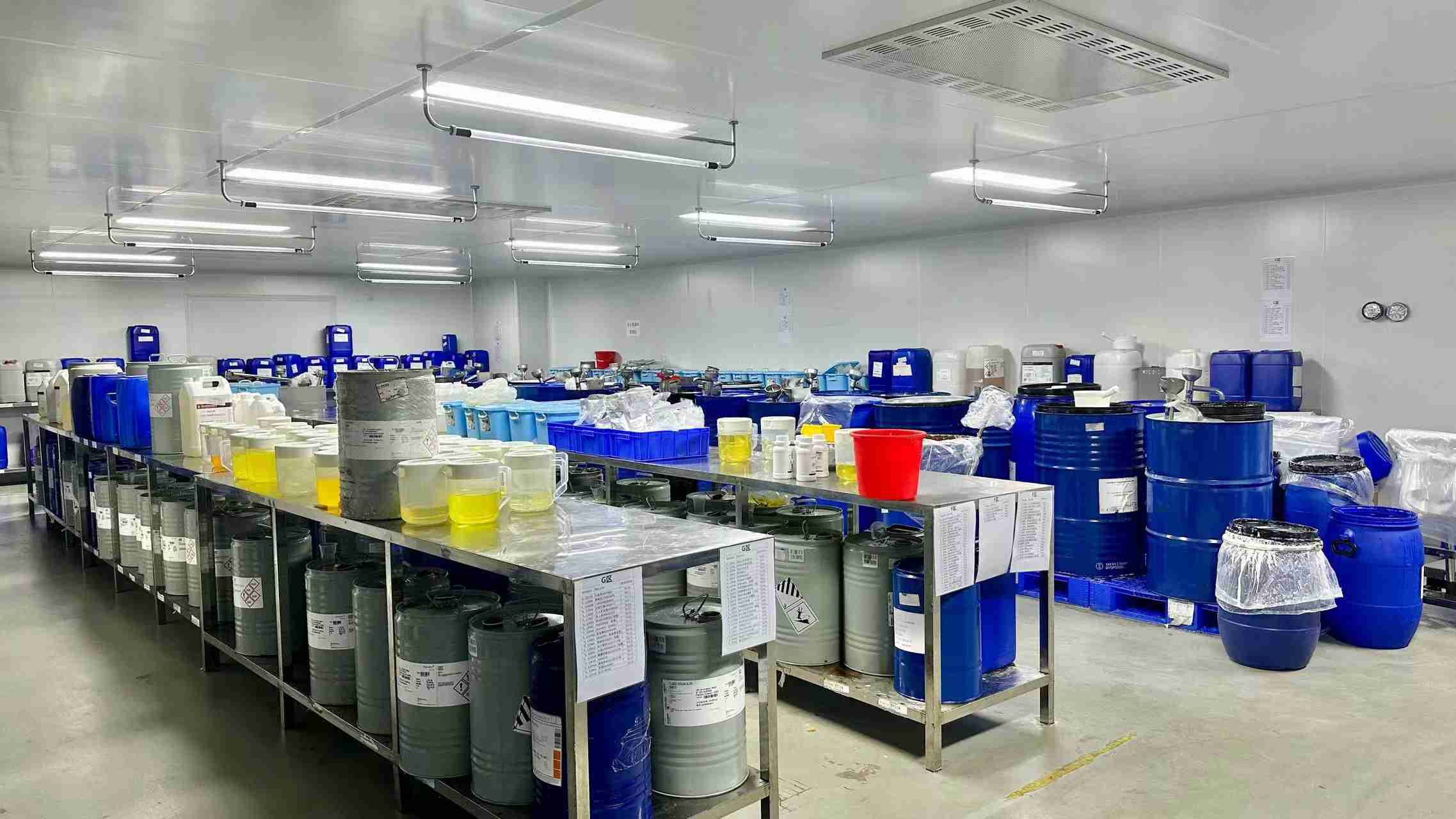
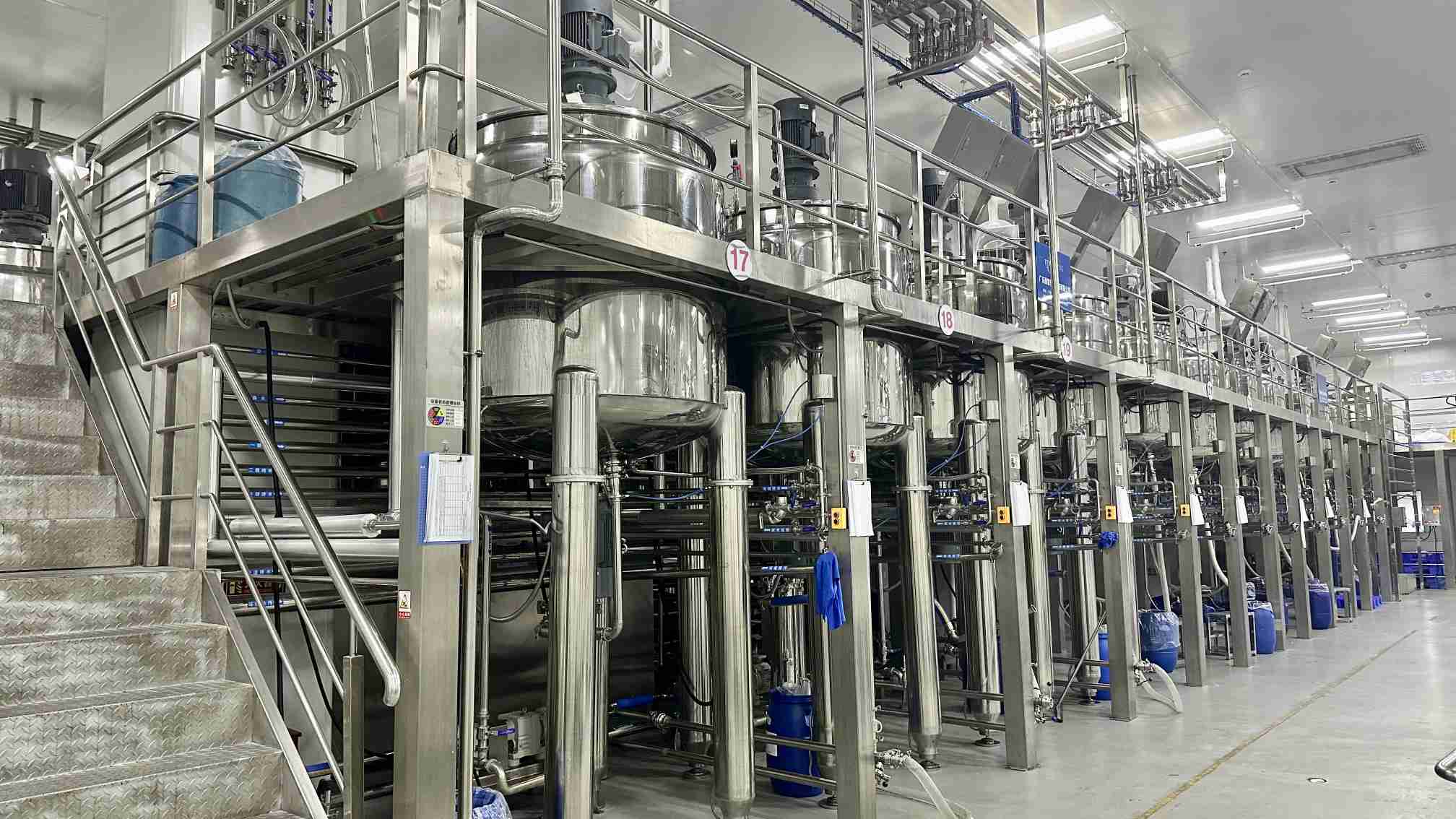
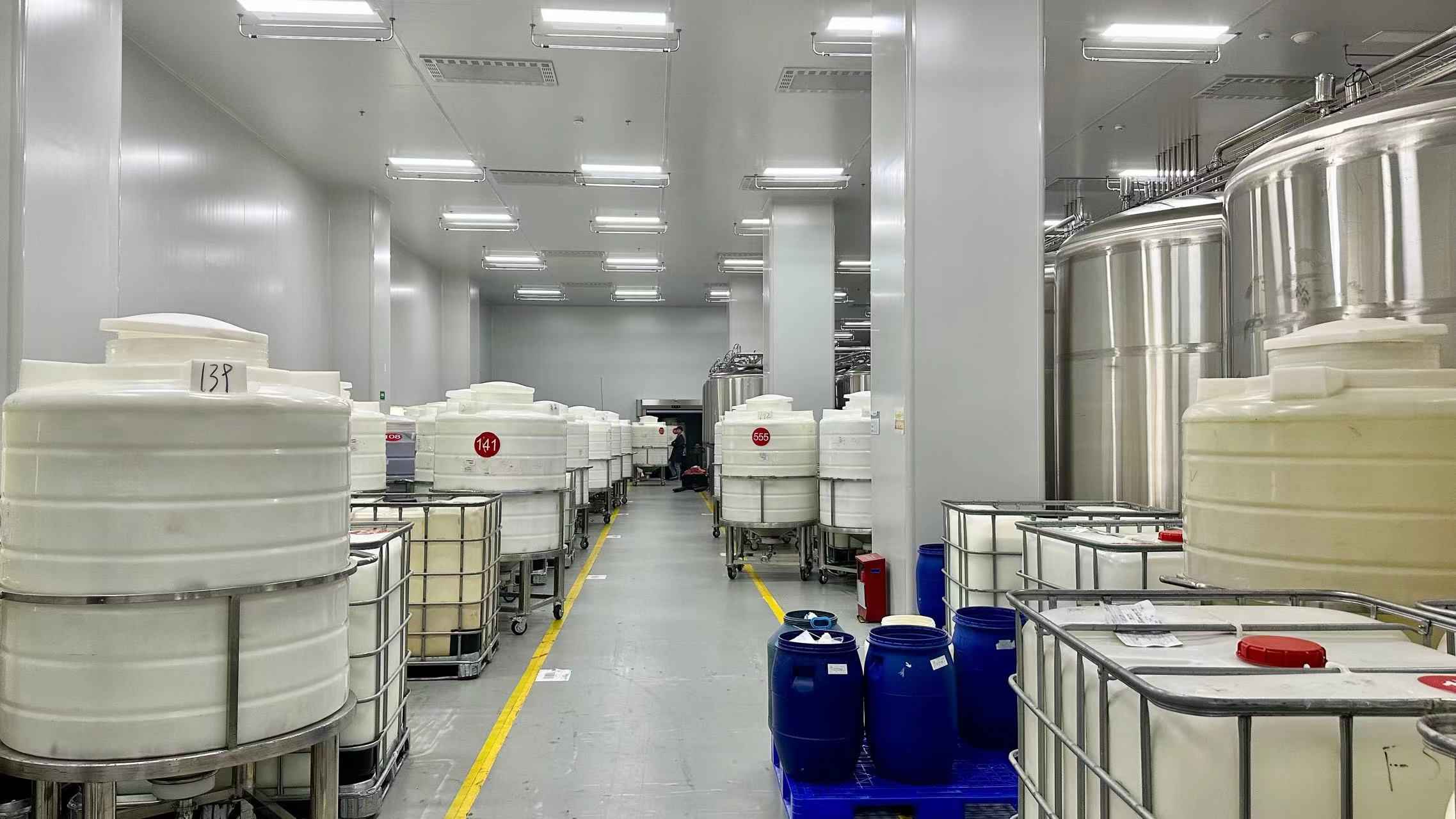
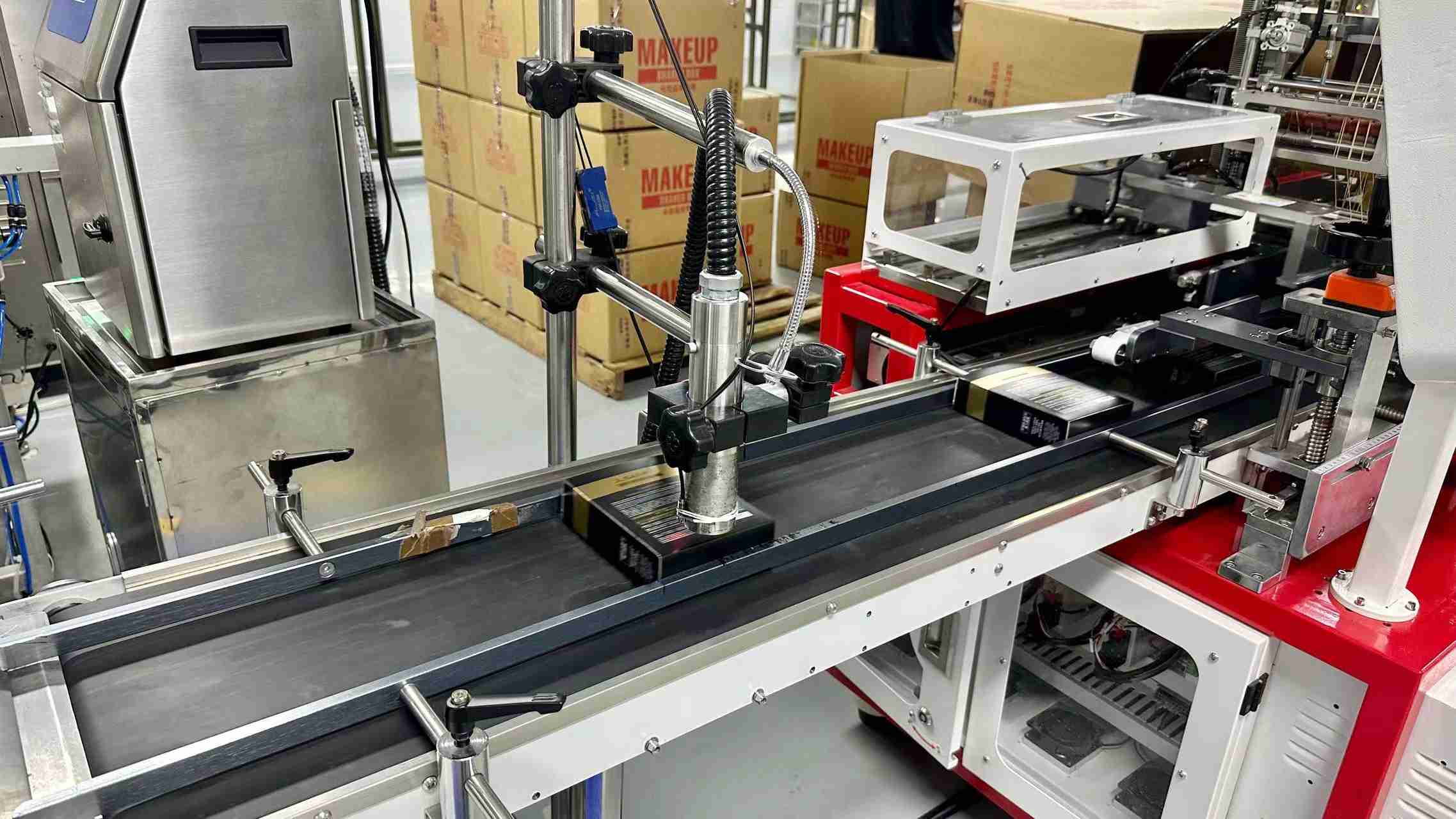
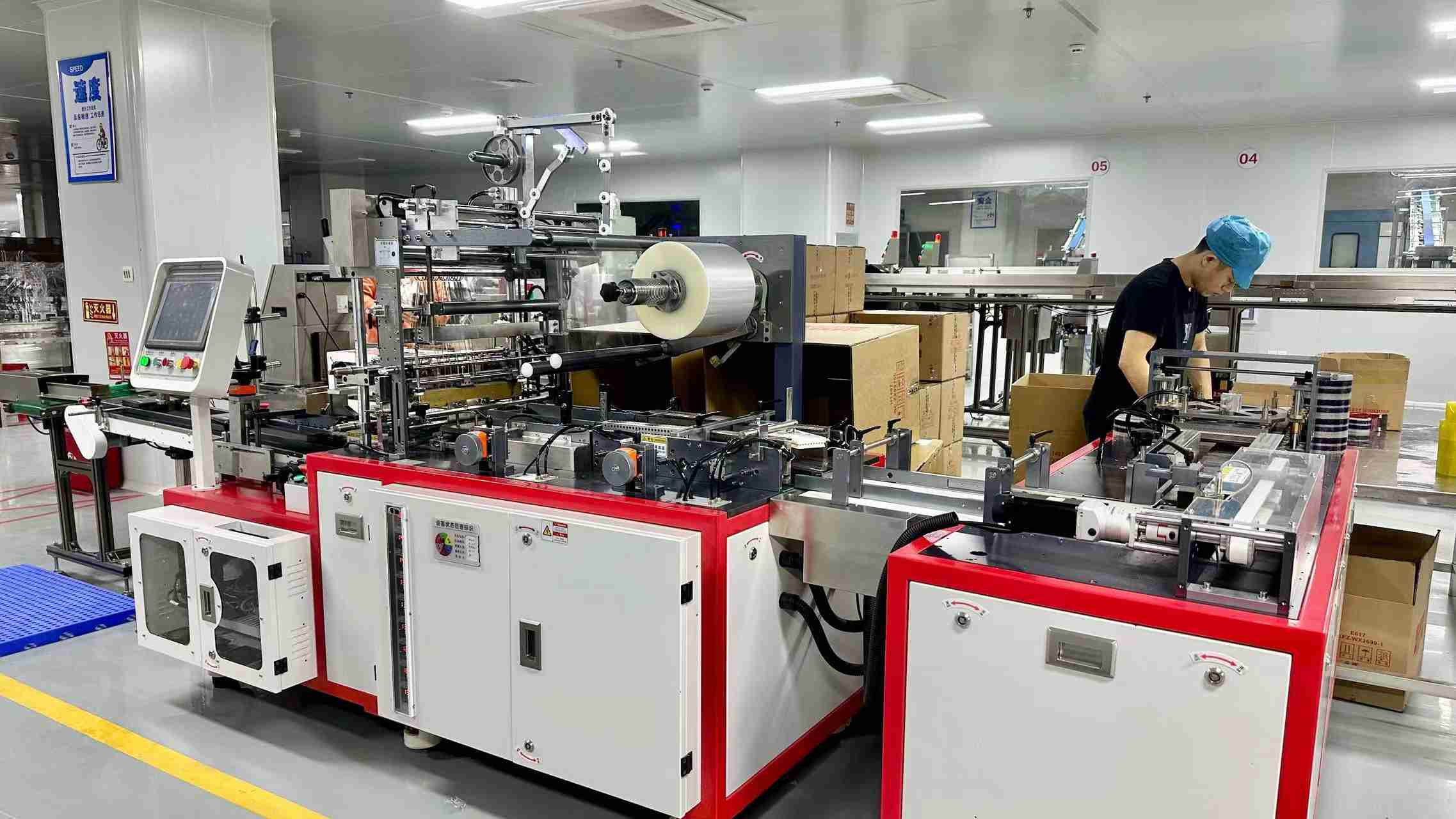
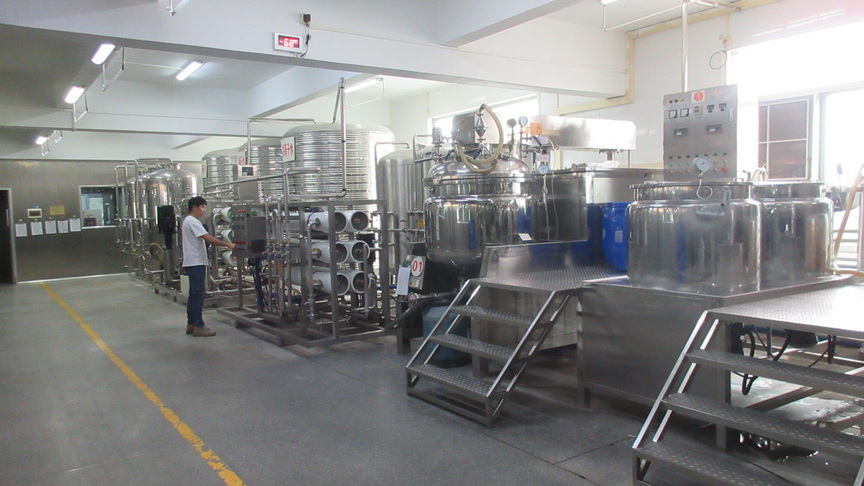
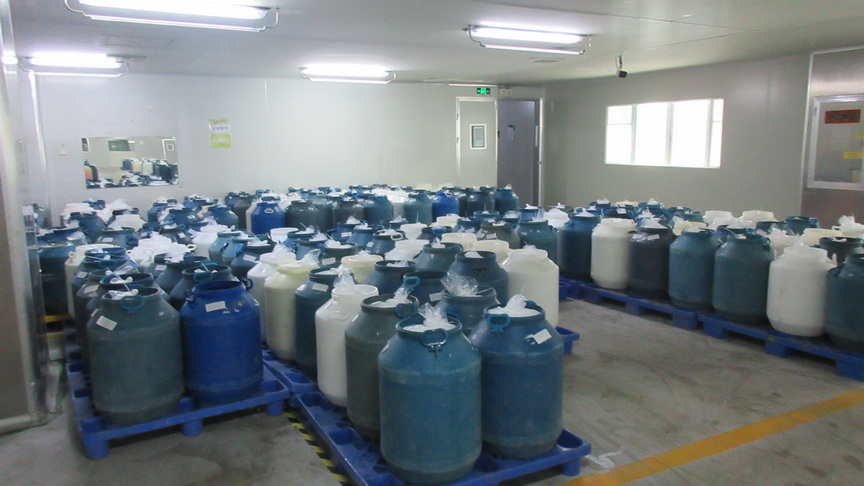
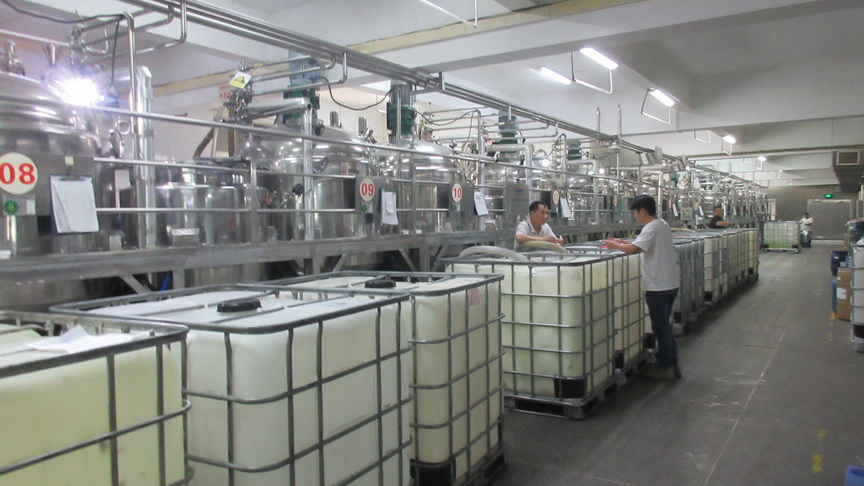
Established in 2014, Zhejiang Bremma Beauty Co., Ltd. has grown into a modern cosmetics manufacturer. We occupy a 2,000 square meter facility equipped with advanced manufacturing machinery, including grinding and mixing machines, filling machines, powder pressing machines, and automatic printing machines.
Our R&D team uses imported raw materials and advanced techniques introduced from Korea to develop formulas that are fully compliant with FDA and EU Cosmetics Regulations. We offer complete OEM and ODM support, providing tailored services to help you scale your brand in the competitive European cosmetic sector.
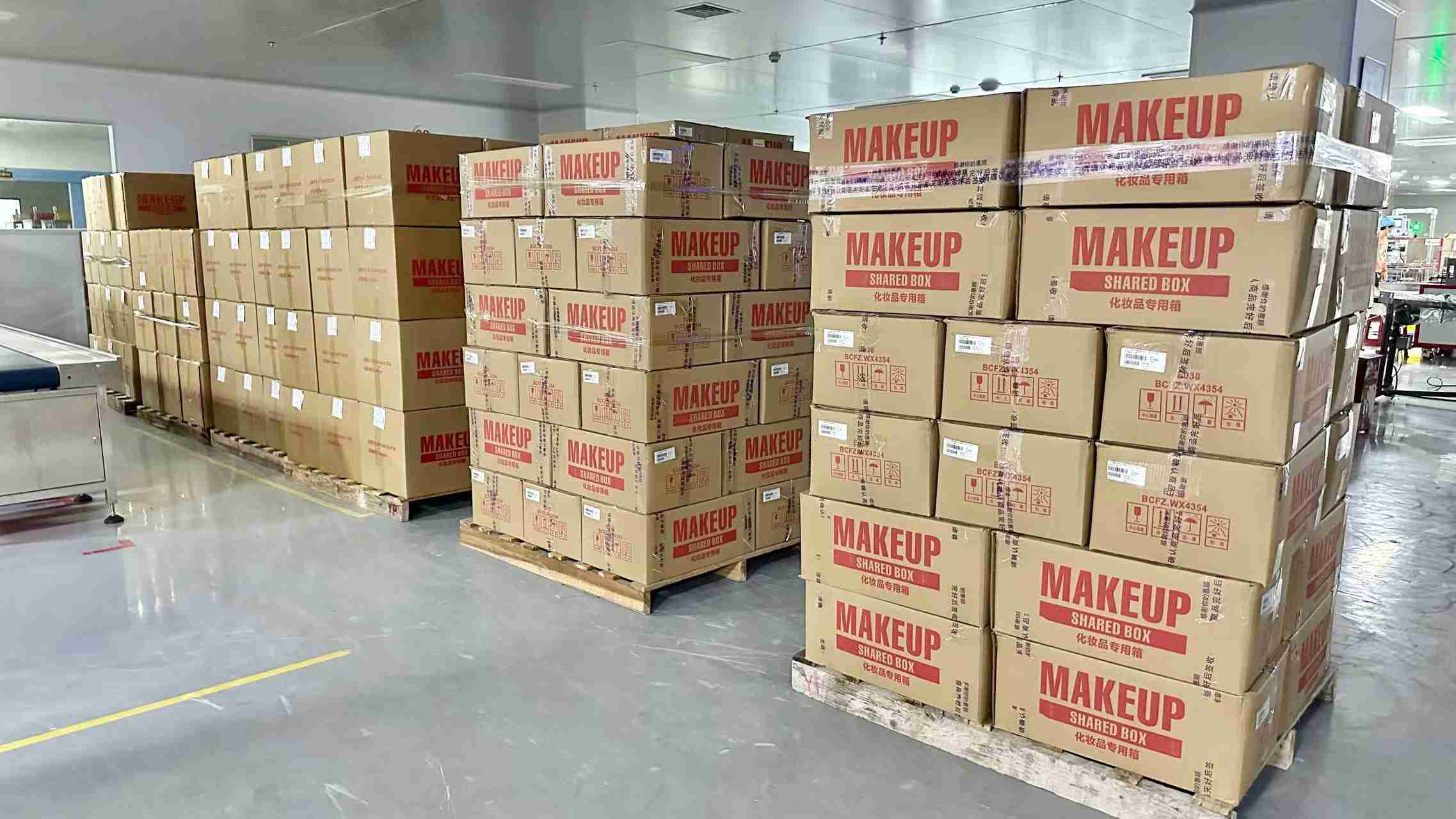
A look inside our ISO-compliant production facility, showing the step-by-step process of creating premium lip masks.
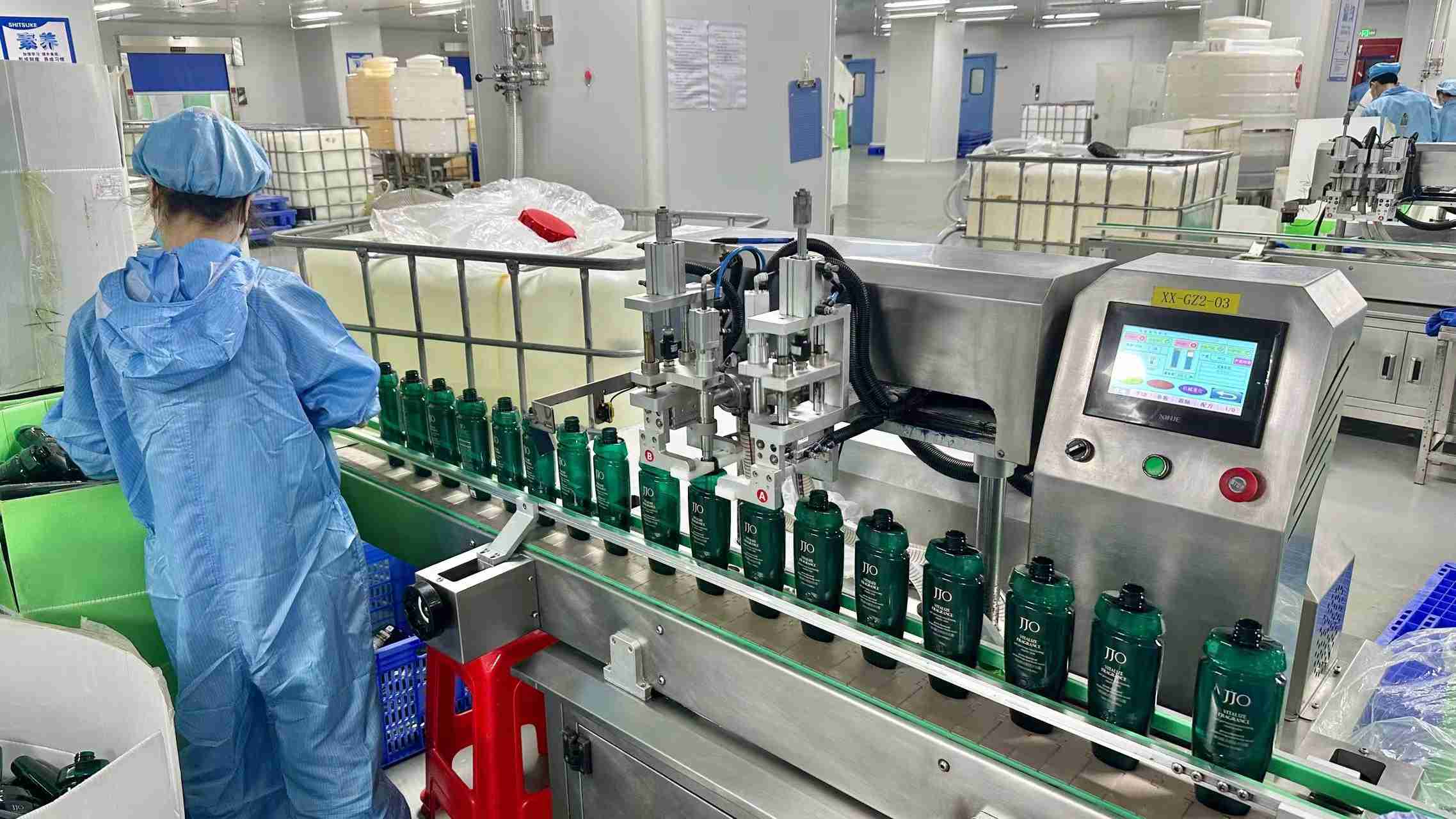
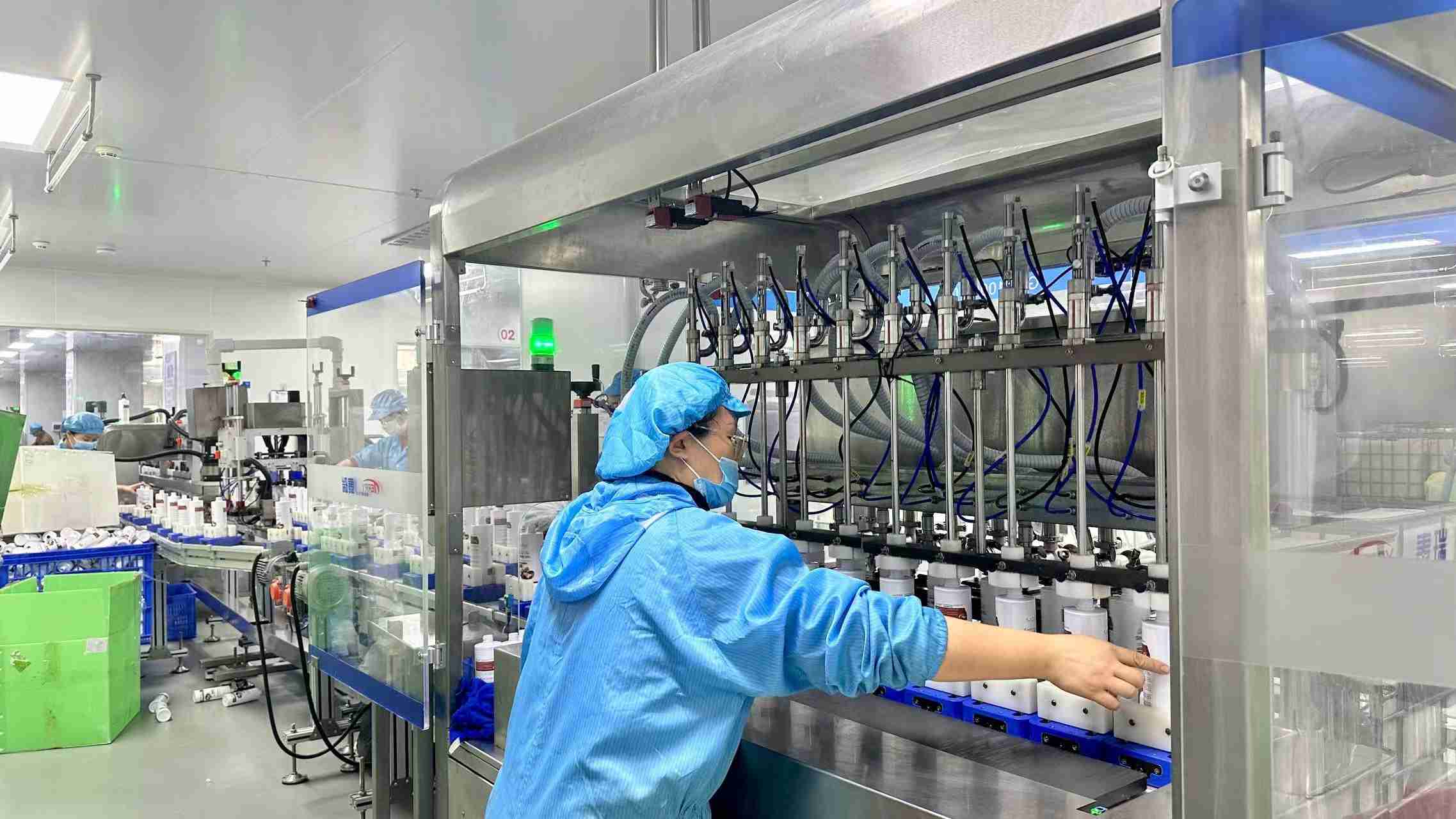
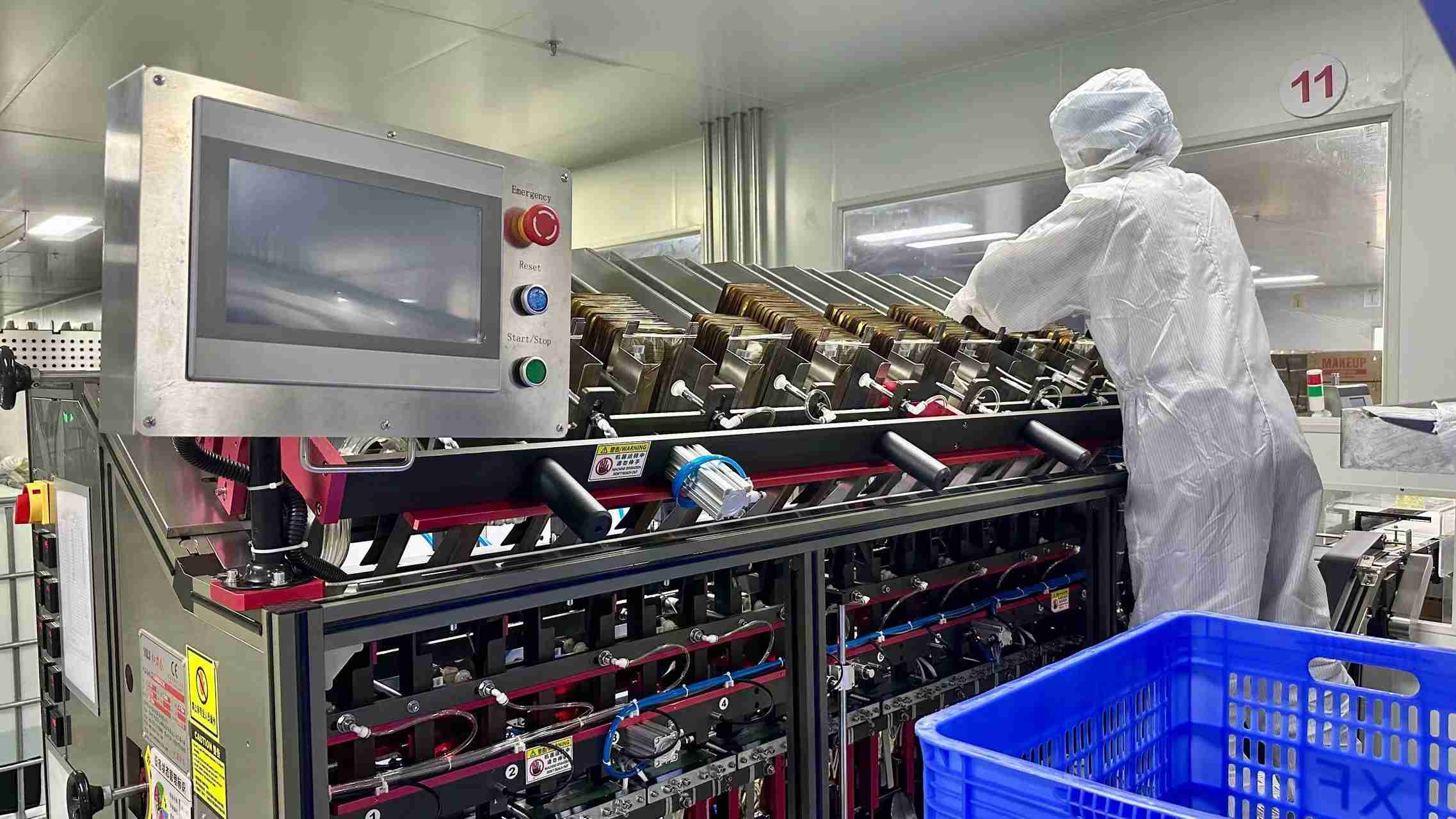
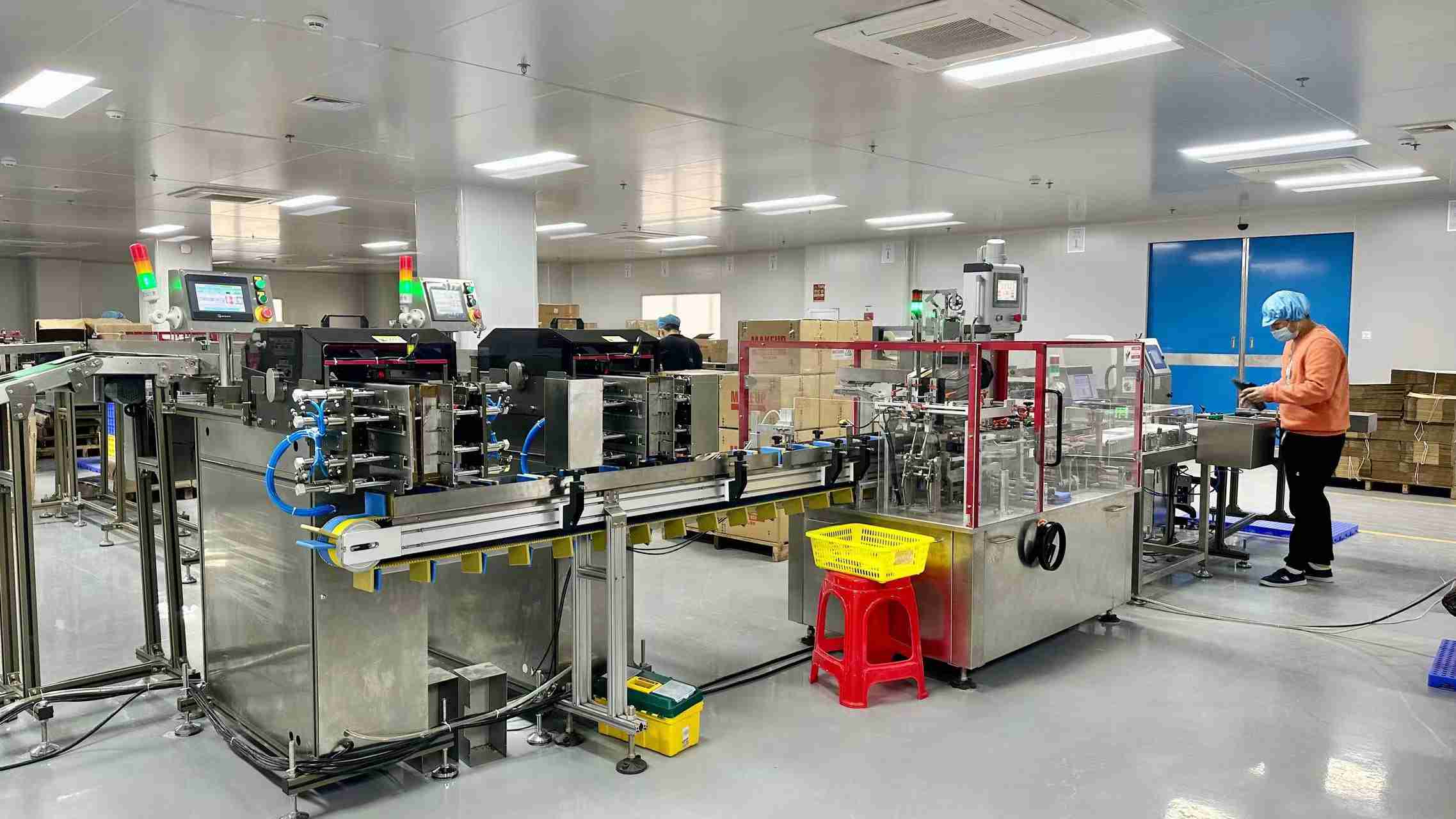
Key requirements for exporting cosmetics to the Netherlands and the wider European market.
Entering the European cosmetics market requires strict adherence to regulatory standards. In the Netherlands, the Dutch Food and Consumer Product Safety Authority (NVWA) enforces rules set by the EU Cosmetics Regulation. Key compliance steps include:
Before a cosmetic product can be sold in the EU, a detailed notification must be submitted through the CPNP. This database is accessible to European poison centers and market surveillance authorities, and the notification must be handled by an EU-based Responsible Person (RP).
Every formulation must have a dedicated PIF containing:
Product labels must print ingredient lists using the International Nomenclature of Cosmetic Ingredients (INCI) system. Additionally, labels must feature specific allergen listings, warnings in Dutch, expiry symbols (such as the Period After Opening (PAO) symbol), and a clear batch code to ensure complete traceability from our factory floor to retail shelves in Utrecht or The Hague.
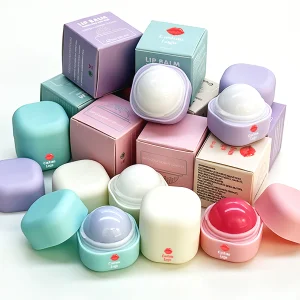
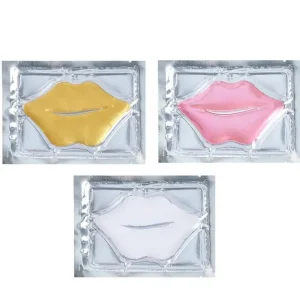
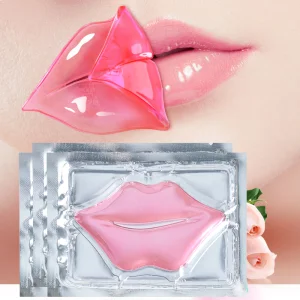
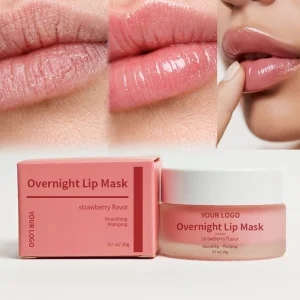
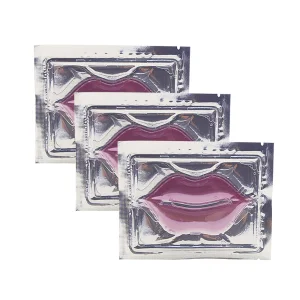
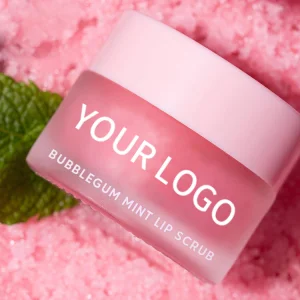
Our complete range of lip masks, scrubs, and patches available for customized B2B branding.
Optimal transport modes, transit routes, and customs clearance procedures for B2B cosmetic buyers.
Managing international logistics is a key factor in keeping retail prices competitive. Importing cosmetic products like lip masks from China to the Netherlands involves navigating two main transportation routes:
For large orders (FCL or LCL shipments), shipping to the Port of Rotterdam is the most cost-effective solution. Containers depart from ports in Ningbo or Shanghai, travel through the Malacca Strait and the Suez Canal, and arrive in the Netherlands in approximately 28 to 35 days. This route keeps per-unit shipping costs low, which is ideal for maintaining healthy margins on volume orders.
When launching a new product line or replenishing low stock quickly, air freight to Amsterdam Airport Schiphol (AMS) reduces transit time to 3 to 5 business days. While air cargo carries a higher shipping cost per kilogram, it provides the agility needed to respond to sudden increases in consumer demand.
Cosmetic products are classified under HS Code 33049900 ("Other beauty or make-up preparations"). Skincare imports from China to the EU generally carry a standard tariff rate of approximately 0% to 6.5%. Partnering with an experienced customs broker helps ensure clean clearance through Dutch customs, avoiding unnecessary delays at the border.
Clear answers to common questions about cosmetic importing, formulations, and regulatory compliance.
 Bremma Beauty