Explore our top-performing formulations engineered for international distribution, luxury brands, and high-frequency retail demands.
The global skincare market has witnessed a monumental paradigm shift. Traditional spot treatments—often comprised of harsh, drying alcohols, benzoyl peroxide, or high concentrations of salicylic acid that disrupt the skin barrier—are increasingly being replaced by localized, bio-compatible delivery systems. At the forefront of this revolution is the humble hydrocolloid pimple patch. Originally utilized in chronic wound care management to absorb exudate and promote sterile healing, hydrocolloid technology has been masterfully adapted by forward-thinking cosmetic chemists and manufacturers to address acne vulgaris.
For international distributors, digital native brands, and clinical skincare purchasers, identifying and partnering with a trusted pimple patch factory and supplier is no longer just a transaction based on unit price. It is a strategic alliance that requires deep evaluation of chemical engineering capabilities, cleanroom validation, raw material sourcing integrity, and adaptive manufacturing methodologies. A premier OEM/ODM supplier must not only possess high-speed cutting machinery but also understand the complex thermodynamics of polymer-based skin adhesives.
In an era of hyper-educated consumers who analyze ingredients via platforms like CosDNA and EWG, transparency has become the ultimate currency. B2B buyers must partner with manufacturers that integrate raw material verification, biocompatibility reports (ISO 10993), and advanced structural designs such as tapered edges and micro-needle matrices into their standard production pipelines.
Through systematic search intent mining, we analyze the core questions, concerns, and evaluation matrices utilized by procurement executives and R&D directors when seeking a manufacturing partner. Sourcing requirements have progressed beyond simple OEM private labeling. Today’s market demands a comprehensive technological suite:
Buyers require medical-grade hydrocolloid that maintains adhesion on oily skin surfaces for 8-12 hours without causing epidermal stripping upon removal. The balance of Polyisobutylene (PIB) and Carboxymethyl Cellulose (CMC) must be exact.
Modern formulations demand the integration of active botanicals and chemical exfoliants (e.g., Salicylic Acid, Tea Tree Oil, Centella Asiatica, Niacinamide) directly into the hydrocolloid matrix without compromising the polymer's integrity.
Ultra-thin, tapered edges (bevelled profiles down to 0.1mm) are critical for consumer invisibility. Suppliers must offer precision die-cutting and various patch shapes (stars, clouds, micro-dots) to satisfy Gen-Z and Millennial consumer cohorts.
Furthermore, modern brands prioritize regulatory compliance (such as FDA registrations, GMPC compliance, and ISO 22716 certifications) to ensure seamless custom clearances in key markets like the United States, Germany, and South Korea. Without these baseline certifications, even the most innovative patch technology remains unsellable on the global stage.
The manufacturing of cosmetic patches involves precise chemical synthesis and mechanical processing. Below, we break down the technological phases defining the state-of-the-art in contemporary pimple patch factories:
Integrating high molecular weight elastomers with synthetic rubber matrices. This phase controls the swelling ratio and moisture vapor transmission rate (MVTR). By optimizing the ratio of hydrophilic carboxymethyl cellulose (CMC) particles, the patch is engineered to selectively absorb acne exudate (pus and oil) while maintaining a moist environment that accelerates tissue repair.
Traditional hydrocolloids are inert. Modern R&D utilizes a process called solvent casting or hot-melt extrusion to homogenously disperse thermo-sensitive active ingredients. Salicylic acid (BHA) is integrated to dissolve keratin plugs, tea tree oil functions as a natural antimicrobial, and Centella Asiatica (Cica) limits post-inflammatory hyperpigmentation (PIH).
The pinnacle of acne patch engineering involves micro-molding technology. Using biodegradable, biocompatible polymers like Hyaluronic Acid or Carboxymethyl Cellulose, factories construct arrays of ultra-fine microneedles (typically 200 to 800 micrometers in length). These needles painlessly penetrate the stratum corneum to deliver active compounds directly into the deeper epidermal layers, targeting cystic, deep-seated acne.
To understand how high-caliber cosmetic solutions are manufactured at scale, one must look at established industrial leaders. Zhejiang Bremma Beauty Co., Ltd., established in 2014, represents the pinnacle of modern, integrated cosmetic and skincare manufacturing. Operating from a fully modernized facility, the company has engineered a robust R&D-to-market pipeline that services elite brands across the Americas, Europe, and the Middle East.
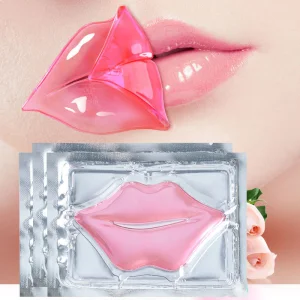
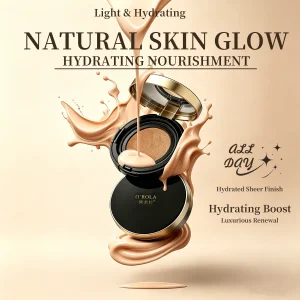
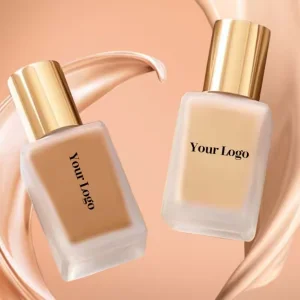
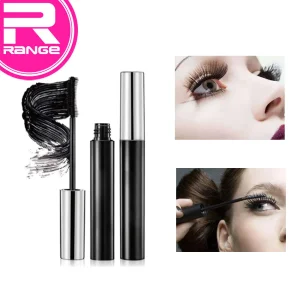
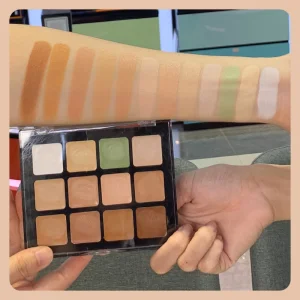
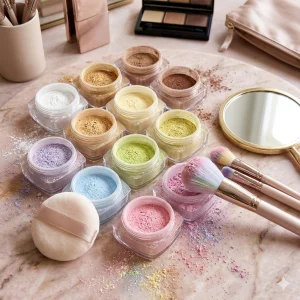
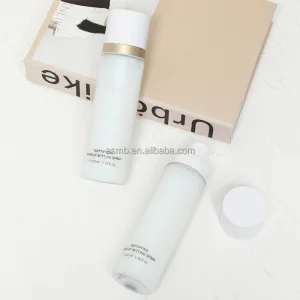
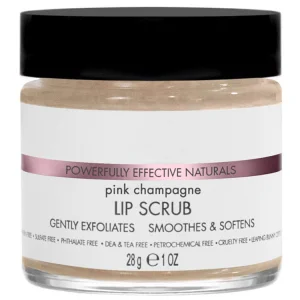
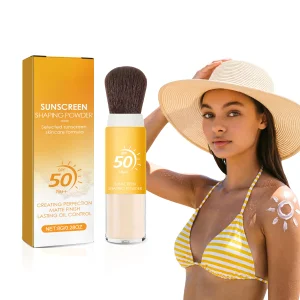
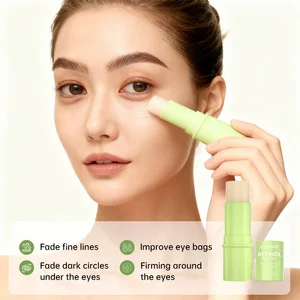
Bremma Beauty's production facilities specialize in an expansive array of advanced makeup and cosmetic formulations, including lip glosses, nourishing lip balms, structured lipsticks, high-definition mascaras, liquid eyeliners, compressed powders, highlighters, and high-coverage concealers.
By utilizing imported raw materials and adopting advanced techniques introduced directly from Korea, Bremma Beauty guarantees that all formulations maintain absolute compliance with FDA and European cosmetics standards. Their dedication to innovative structural design, robust packaging, and high product consistency has cemented their position as a preferred global supply partner.
Our Core Operating Philosophy: "Subsistence by Quality; Development by Science and Technology; Market Roots in Credit Standing." We support comprehensive OEM and ODM partnerships, providing tailored development runs and custom formulations to match diverse regional regulatory demands.
A visual and technical walk-through of Bremma Beauty's modern automated manufacturing plant and specialized processing stages.
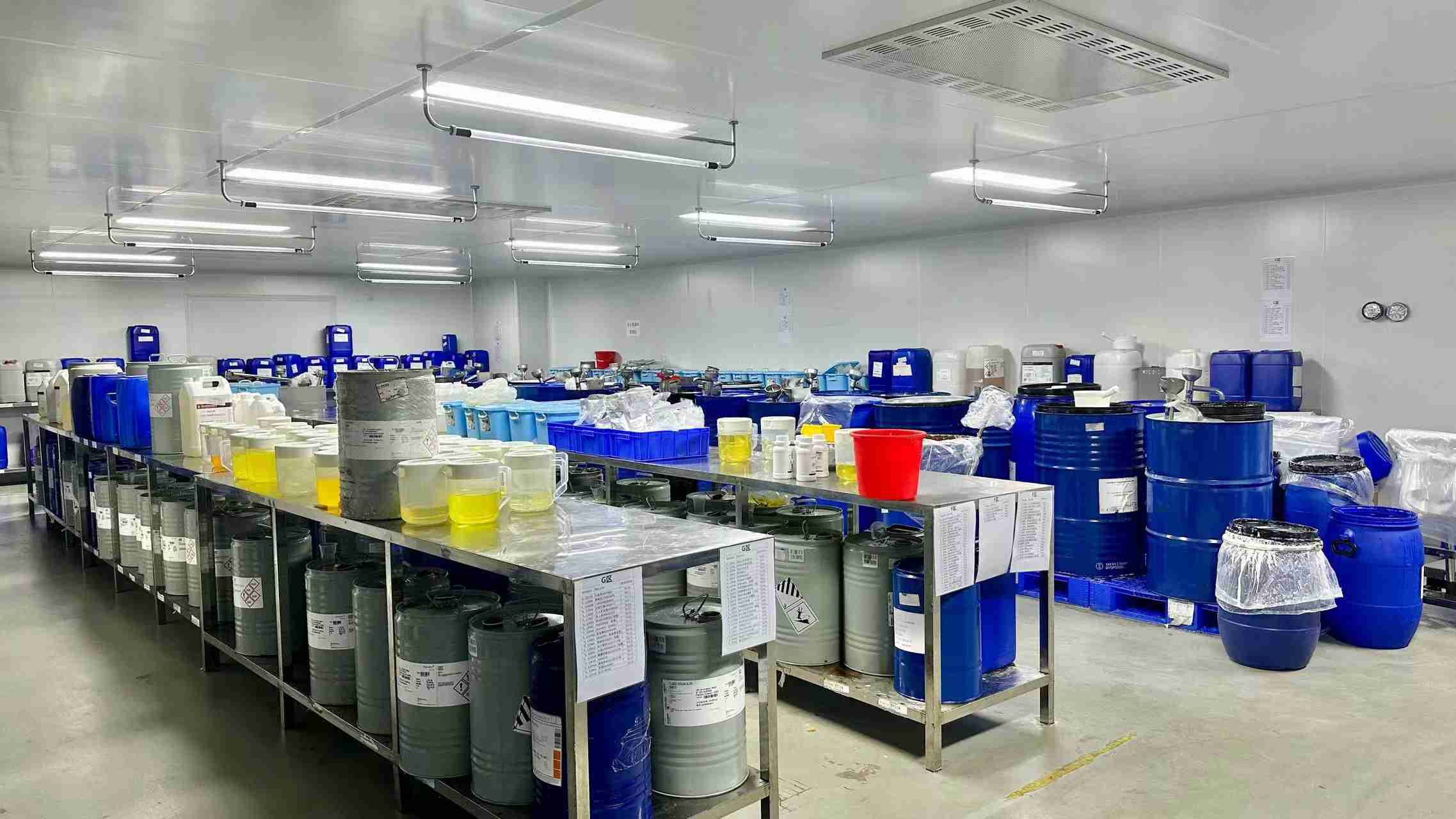
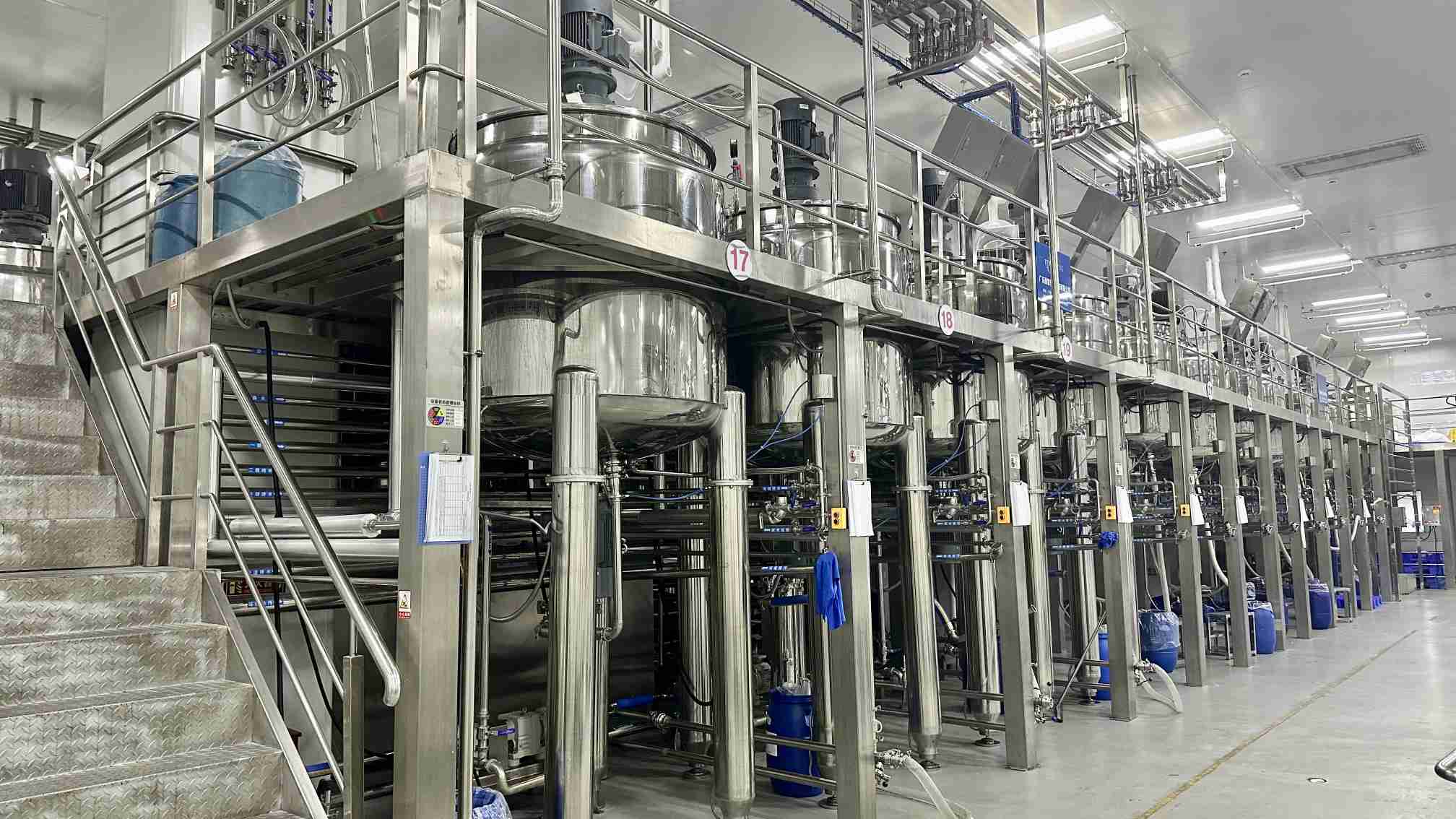
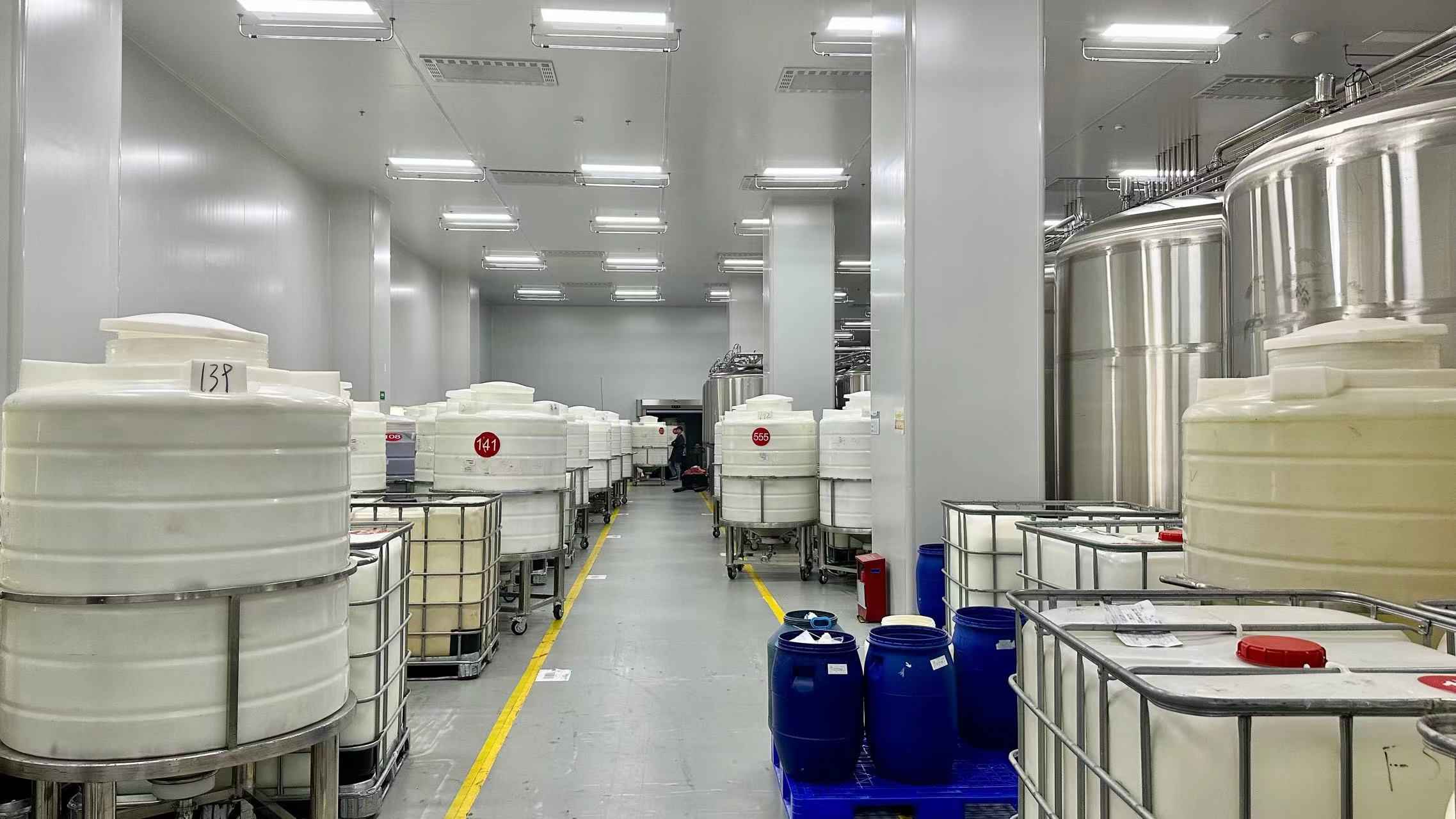
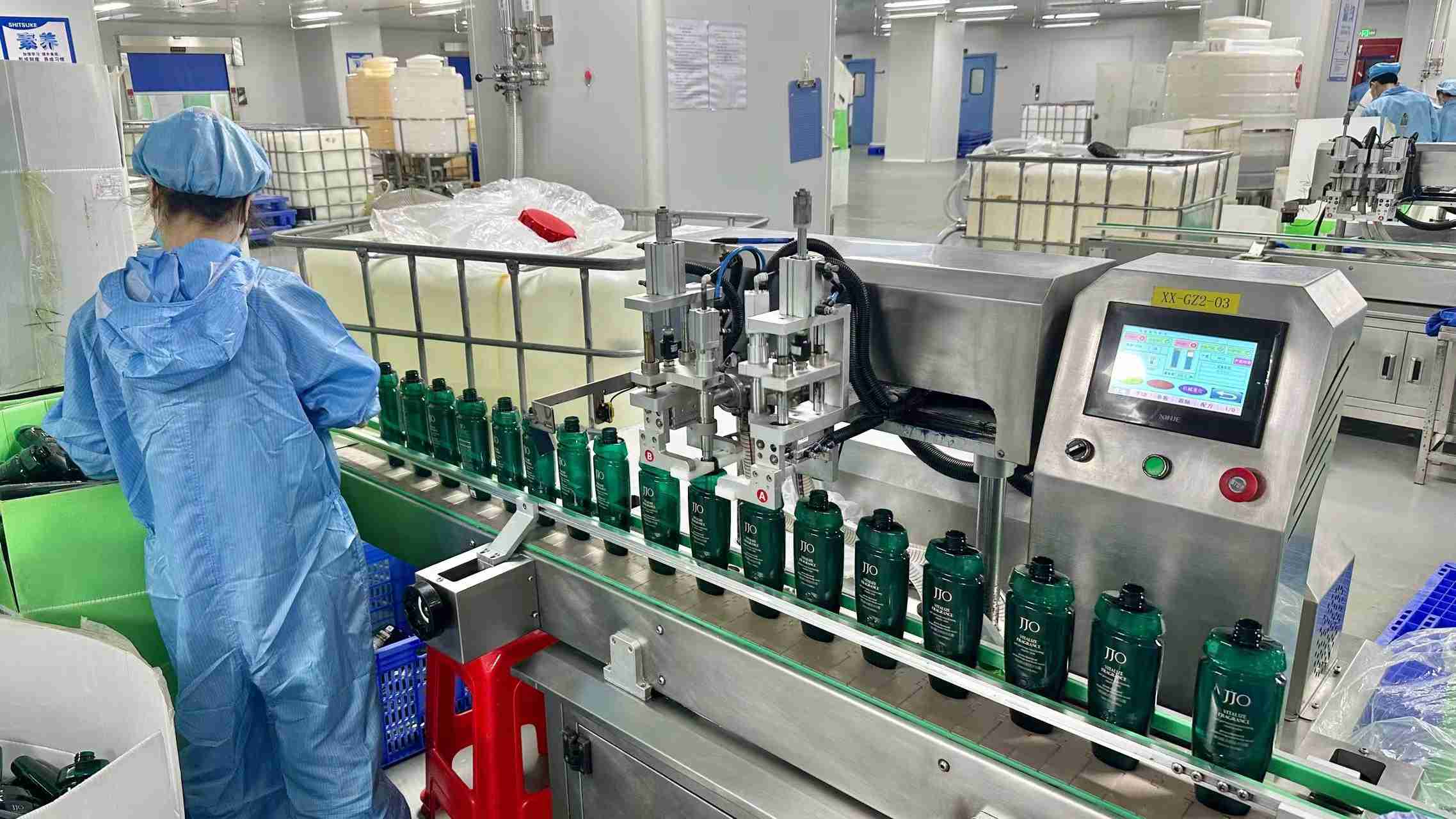
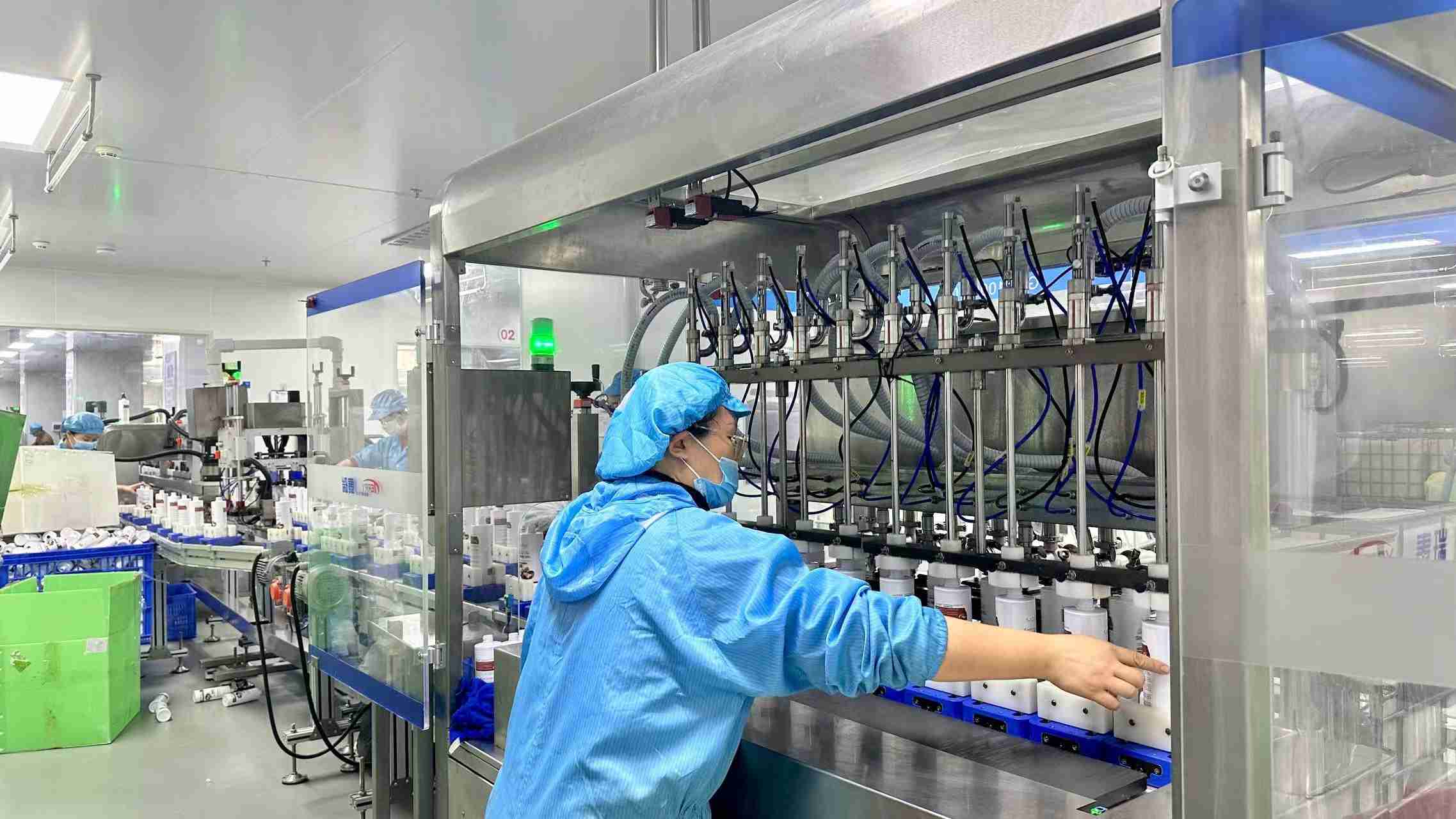
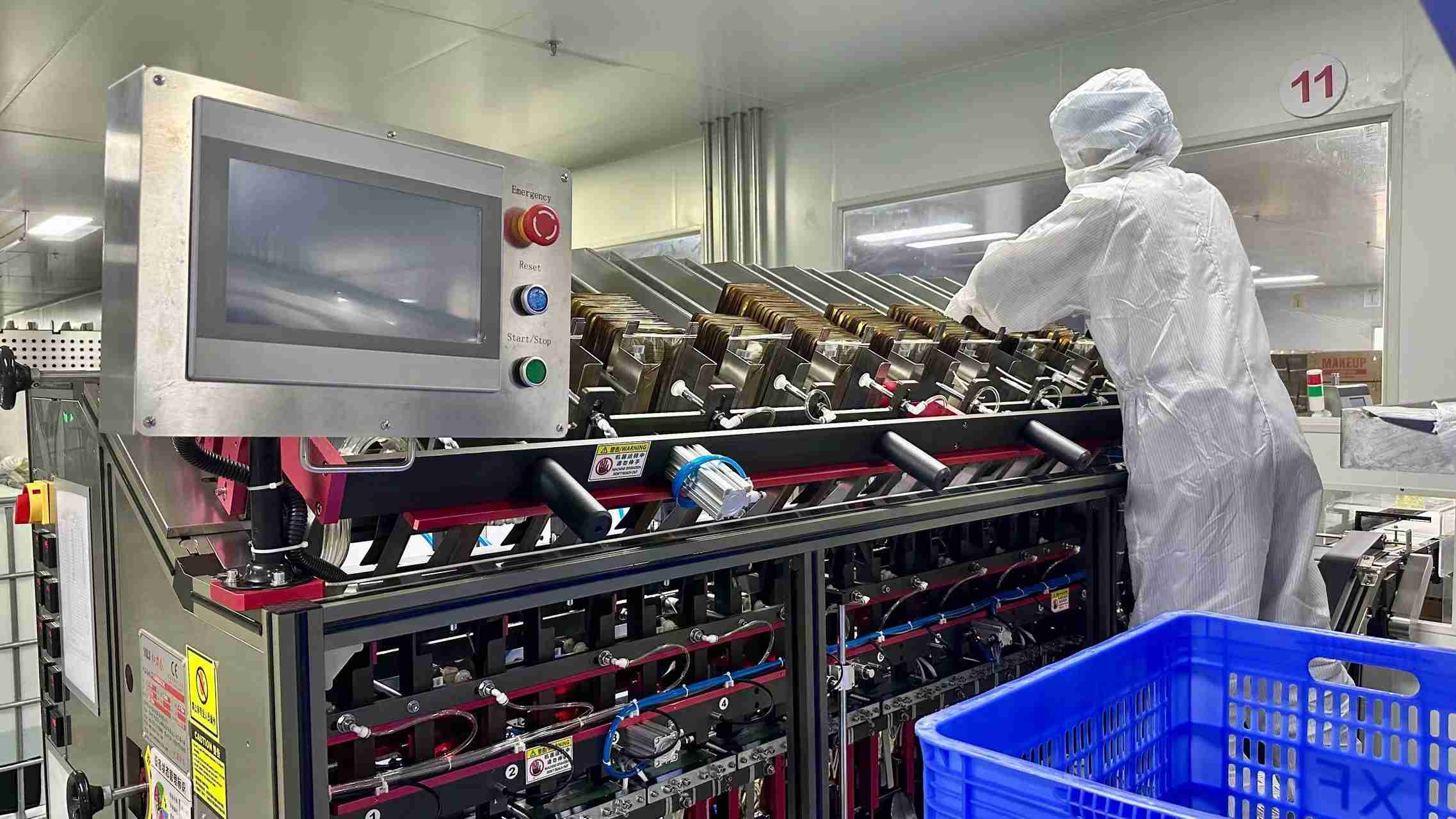
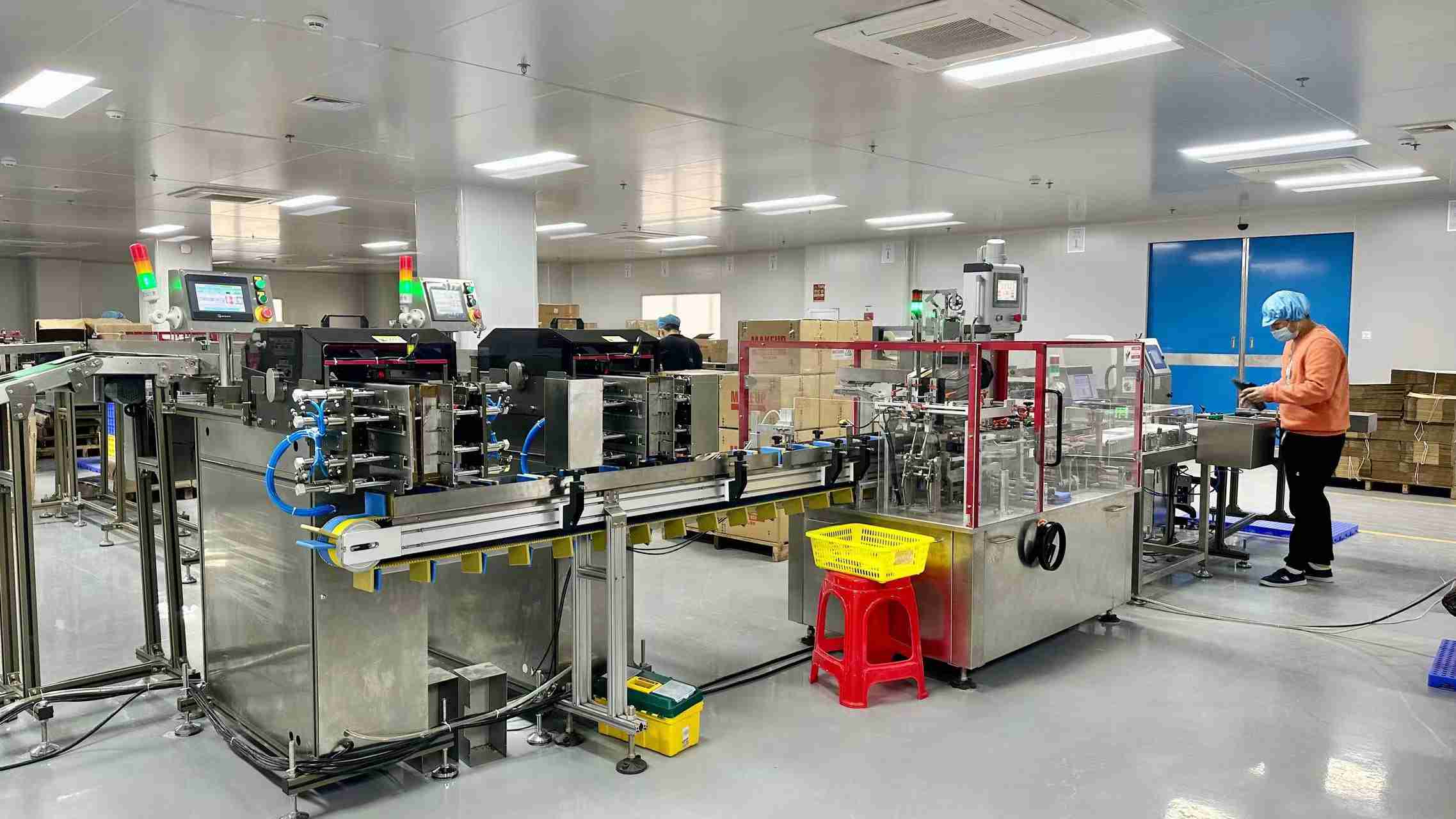
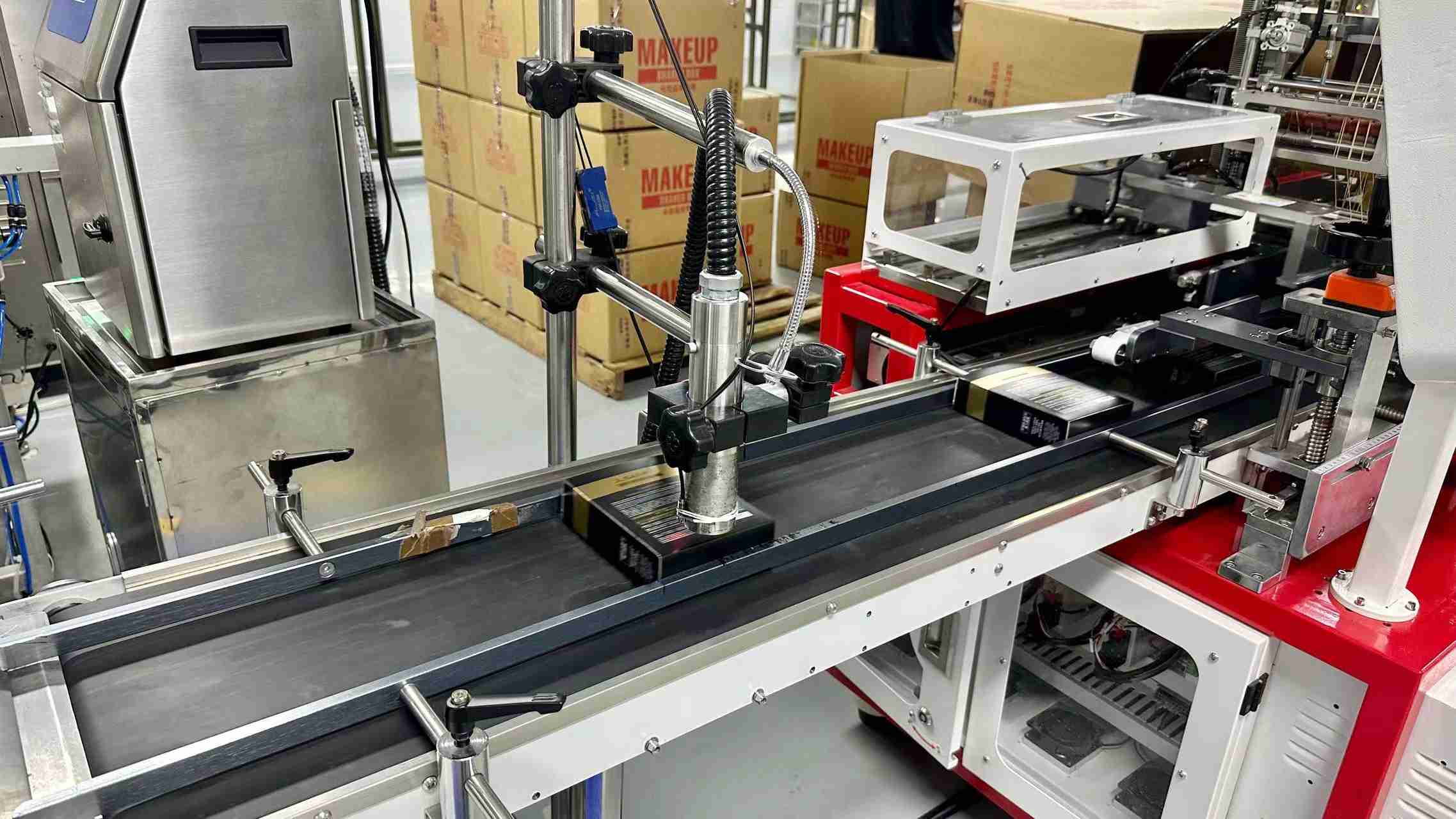
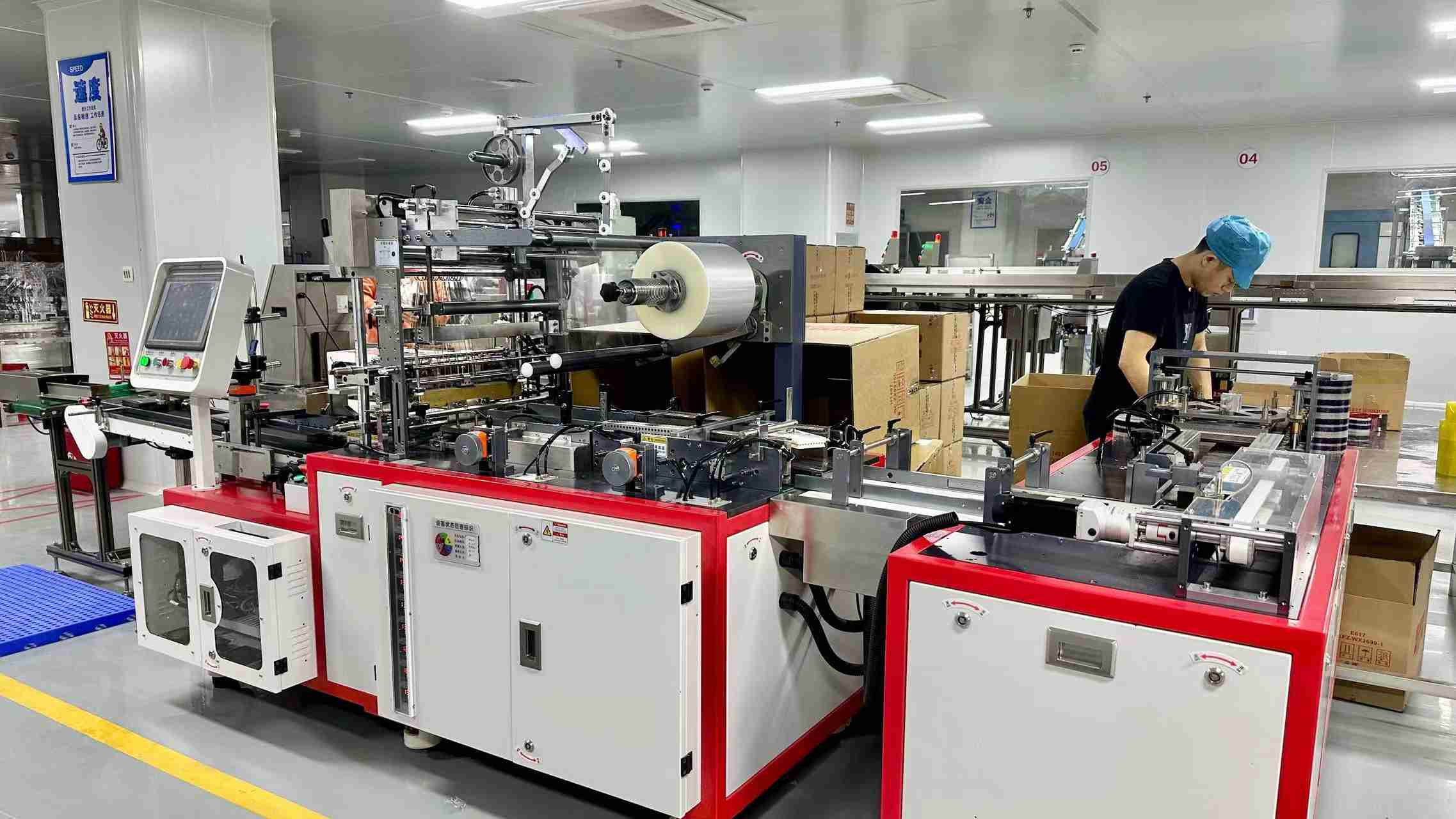
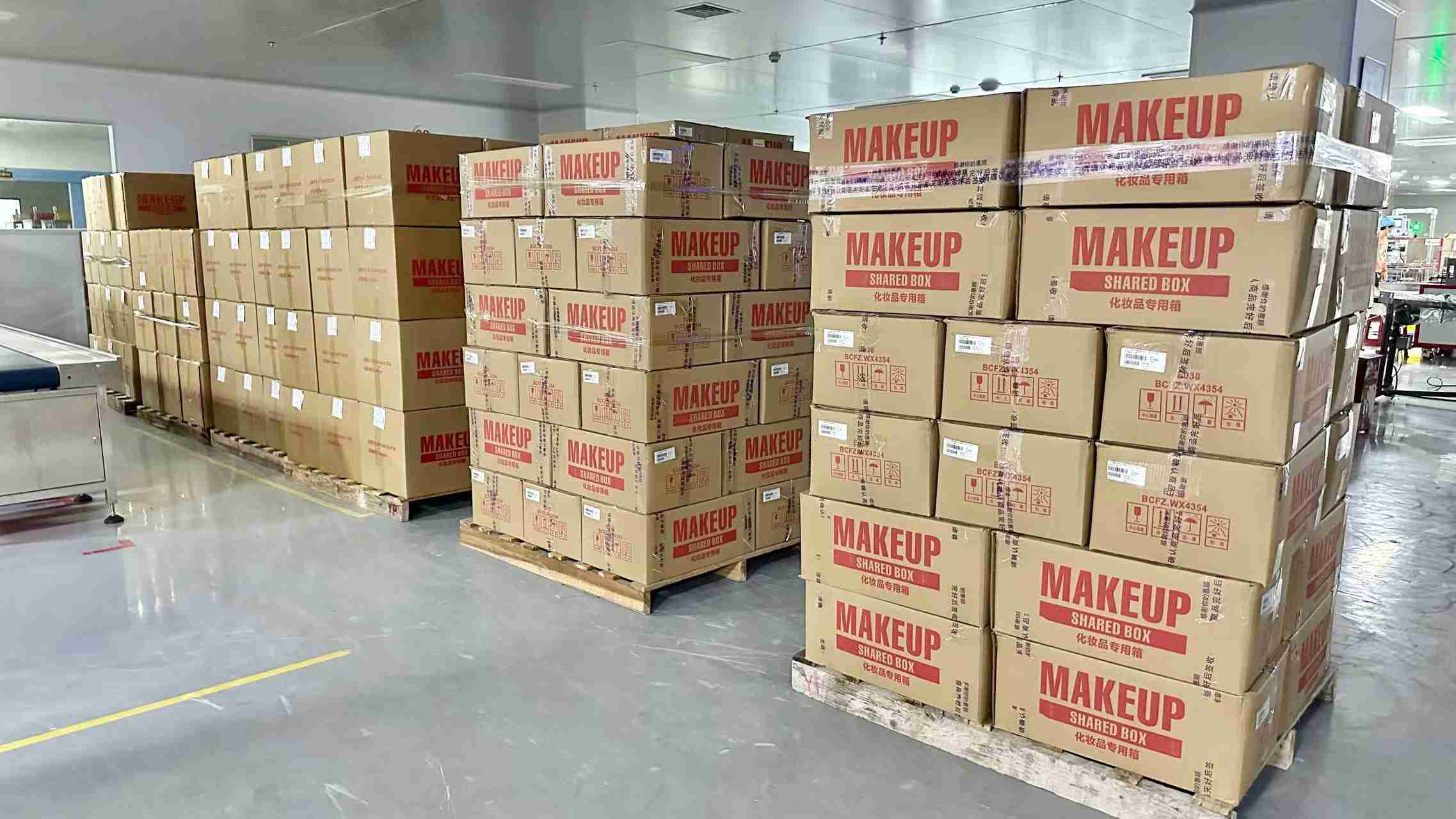
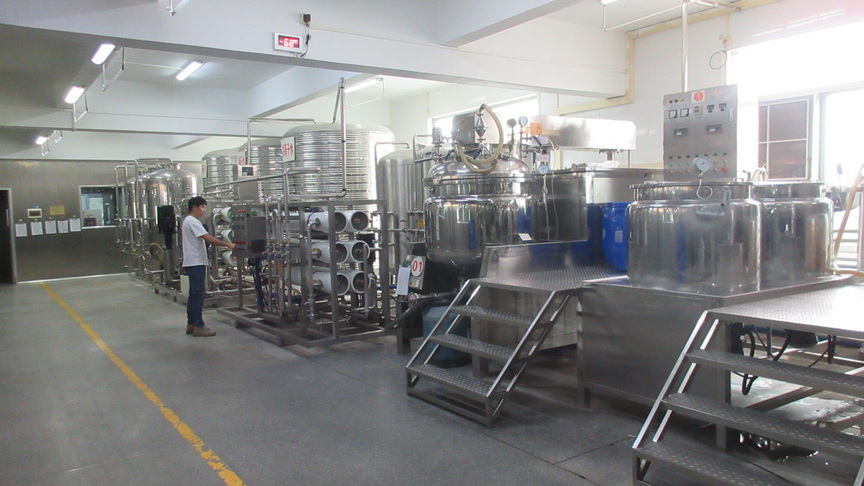
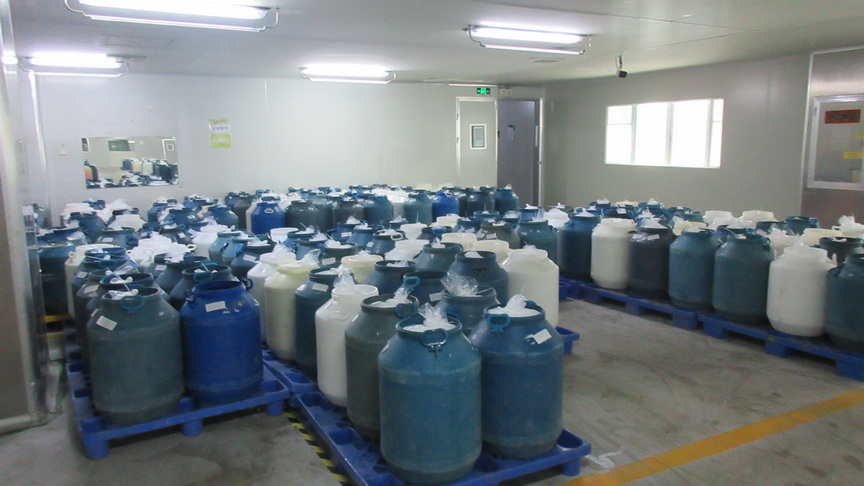
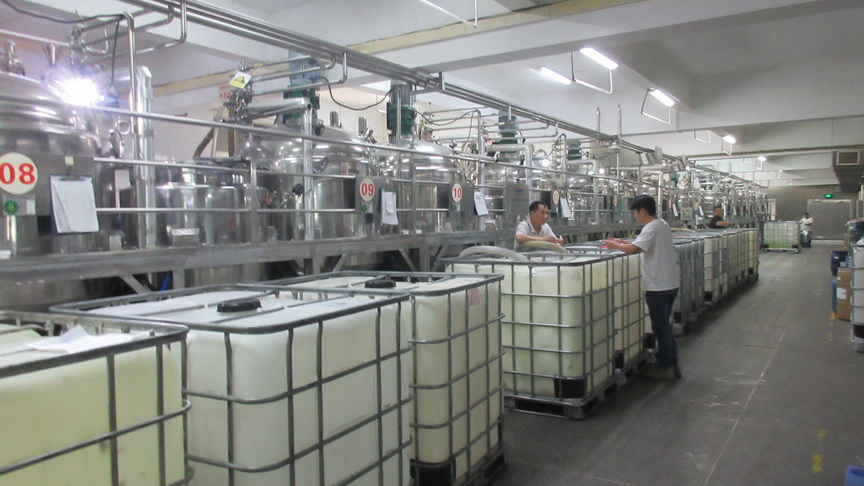
Bremma Beauty’s plant covers an expansive 2,000 square meters, structured to optimize flow and prevent cross-contamination. The machinery array includes high-precision grinding and mixing apparatuses, high-speed automated volumetric filling lines, hydraulic powder pressing units, and automated ink-jet printing and shrink-wrapping machinery. With an integrated EDI water purification loop, Bremma guarantees chemical-grade purity for all aqueous base products.
Managing cosmetic supply chains requires an understanding of localized regulations, raw material origins, and shelf-life variables. Hydrocolloid, by nature, is sensitive to heat and moisture. When shipping globally, suppliers must account for cargo container conditions. Superior factories utilize aluminum-barrier hermetic pouch packaging for bulk patch shipments, preserving the adhesive power and active ingredient stability during oceanic transit.
B2B buyers should request documented protocols covering the following variables:
Bremma Beauty's established global shipping network coordinates directly with leading freight forwarders to provide seamless custom clearances, temperature-controlled shipping lanes, and dynamic tracking for high-volume orders heading to Europe, North America, and Australia.
As the skincare category matures, the next development cycle focuses on intelligent, eco-friendly patch systems. Standard polyurethane backing films (used to protect the hydrocolloid layer from external water and dirt) are being replaced with bio-based, compostable alternatives. Plant-based PLA (Polylactic Acid) and PHA (Polyhydroxyalkanoates) films are undergoing testing to create a fully biodegradable pimple patch that maintains standard performance properties.
Simultaneously, "smart hydrocolloids" represent a major leap forward. These patches utilize pH-responsive polymers that change color when the exudate absorption capacity has reached saturation, indicating to the user that it is time to replace the patch. This visual queue elevates user engagement and ensures maximum efficacy during overnight application.
Direct answers to crucial technical and logistics questions commonly raised by global cosmetic buyers.
Premium formulations engineered to expand your brand portfolio, offering superior texture, high pigmentation, and skin-loving active complexes.
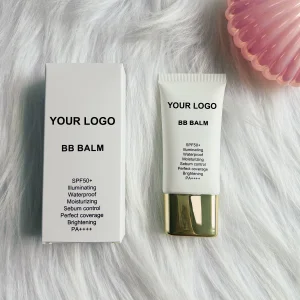
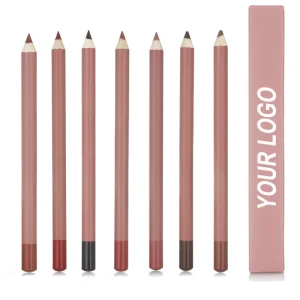
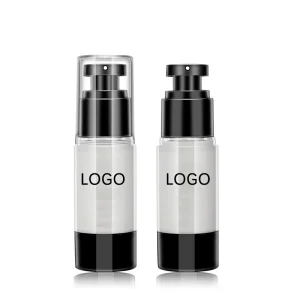
 Bremma Beauty