Explore our top-tier cosmetic solutions utilizing premium raw materials and professional grade Korean bio-technologies.
The global skin brightening and hyperpigmentation treatment market is witnessing an unprecedented surge, driven by evolving consumer demographics and rapid biotechnical advancements. Historically confined to traditional regional markets in the Asia-Pacific region, the demand for skin brightening creams, tone-correcting bases, and melanin-regulating formulations has globalized. Industry market reports estimate the global skin lightening market size will surpass USD 15 billion by 2030, registering a robust CAGR of over 6.5%.
In the modern skincare economy, "brightening" is no longer just about altering melanin levels; it has evolved into a holistic skin-health philosophy centering on radiance, clarity, and the mitigation of environmental stressors. Consumers in North America and Western Europe increasingly seek solutions for age spots, melasma, and post-inflammatory hyperpigmentation (PIH). Meanwhile, the Asia-Pacific, Latin American, and Middle Eastern markets continue to represent major consumption hubs, focusing on achieving an even, luminous complexion through multi-functional makeup bases like BB creams and CC creams infused with botanical actives and peptides.
“Modern procurement departments are shifting away from simple aesthetic cosmetics toward scientifically backed, dermatologically tested formulations that provide demonstrable biological efficacy and strict safety profiles.”
When evaluating the "Top 10 Skin Brightening Cream Manufacturers & Suppliers," global brand managers, buyers, and R&D directors must apply strict standards of Experience, Expertise, Authoritativeness, and Trustworthiness (E-E-A-T). Sourcing skin brightening cosmetics is highly sensitive due to global regulatory scrutiny surrounding active ingredients.
Strict compliance with US FDA, European Union Regulation (EC) No 1223/2009, and GMPC/ISO 22716 certification. Verification of heavy metal clearances and stability profiles is non-negotiable.
Manufacturers must specialize in safe, bio-compatible alternatives like niacinamide, glutathione, arbutin, vitamin C derivatives, and peptides, rather than prohibited agents.
Incorporation of modern tech, such as Korean liposome encapsulation, to preserve ingredient efficacy, enhance transdermal absorption, and optimize texture profile.
Established in 2014, Zhejiang Bremma Beauty Co., Ltd. has rapidly emerged as a modern, integrated cosmetics manufacturer on the global stage. Based in Zhejiang, China, we operate with a firm commitment to research, innovation, and international quality standards. Over the last decade, we have honed our expertise in producing high-end makeup bases, skin treatments, and color cosmetics, positioning ourselves as an industry-leading OEM/ODM partner.
Spanning an area of over 2,000 square meters, our production facility is engineered to satisfy GMP standards. Our manufacturing floor integrates advanced machinery, including high-speed emulsifying mixers, vacuum homogenizers, precision powder-pressing systems, semi-automatic filling stations, and automated coding and packaging lines.
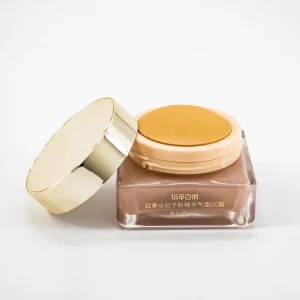
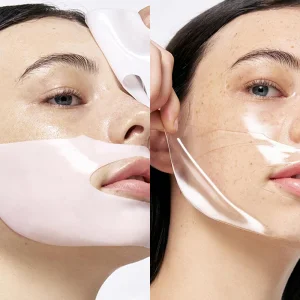
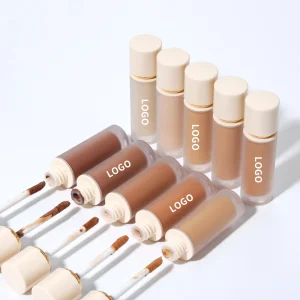
Our manufacturing philosophy focuses on raw material excellence. All critical components are sourced as imported raw materials from premium global suppliers, utilizing advanced techniques introduced from Korea. This integration guarantees that our formulations, such as the *Private Label Liquid Cushion BB Cream*, *Hydrating Whitening CC Cream*, and *Hydrogel Collagen Face Masks*, conform strictly to FDA standards and European cosmetic regulations.
Guided by our core principle: "Subsistence by Quality; Development by Science and Technology; Market Roots in Credit Standing," we invite international buyers to explore our production processes and partner with us for bespoke OEM and ODM cosmetic projects.
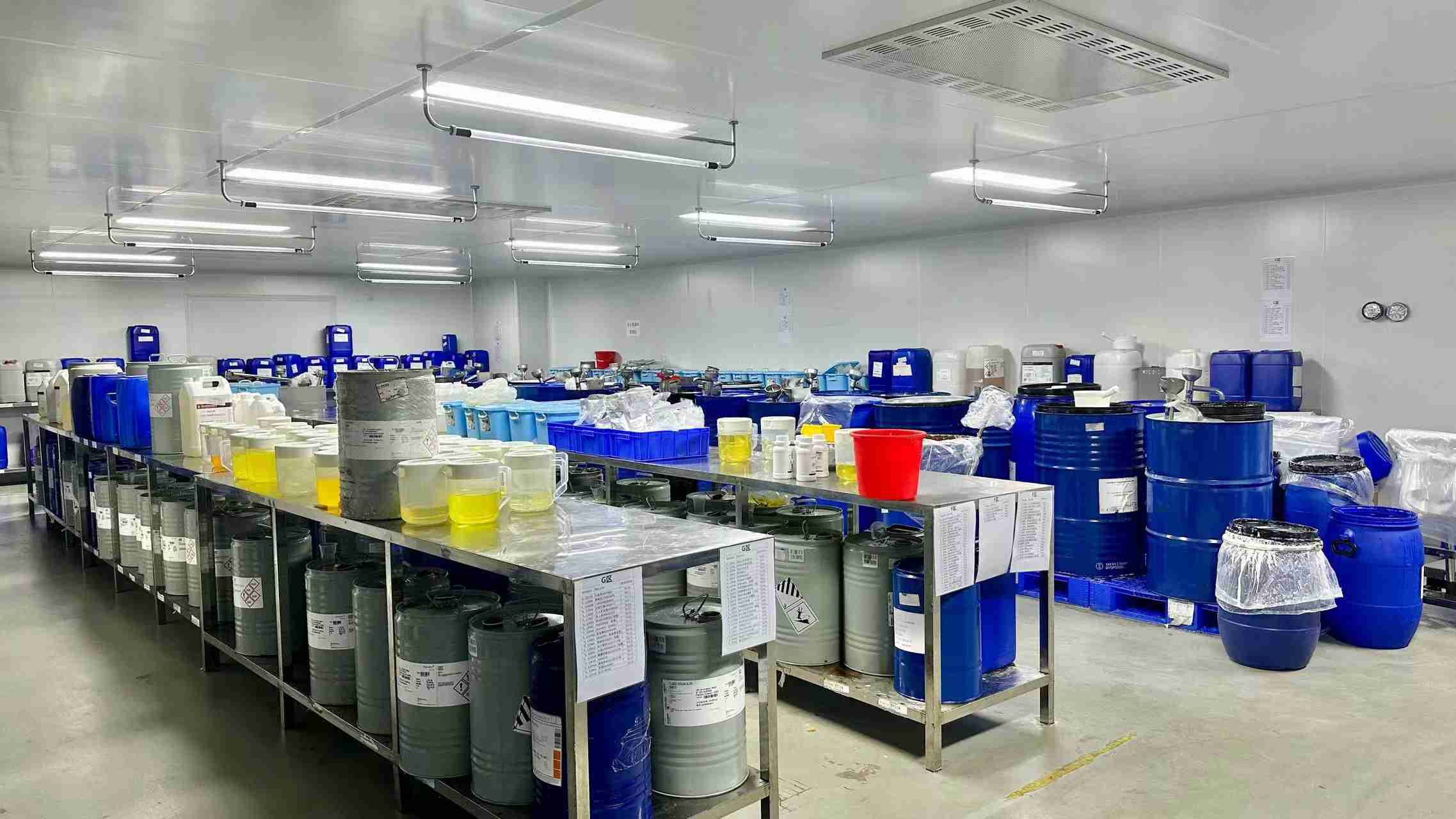
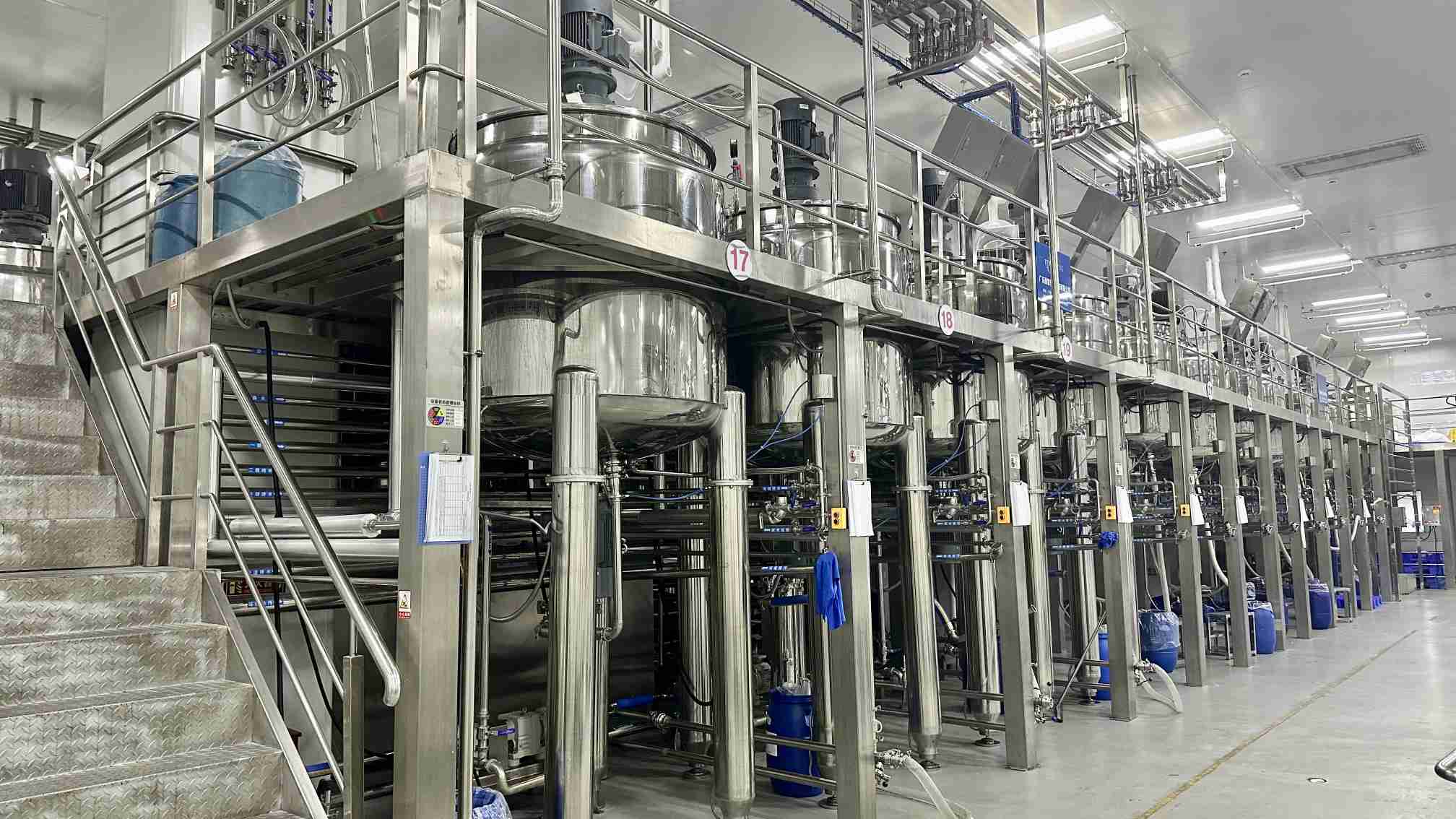
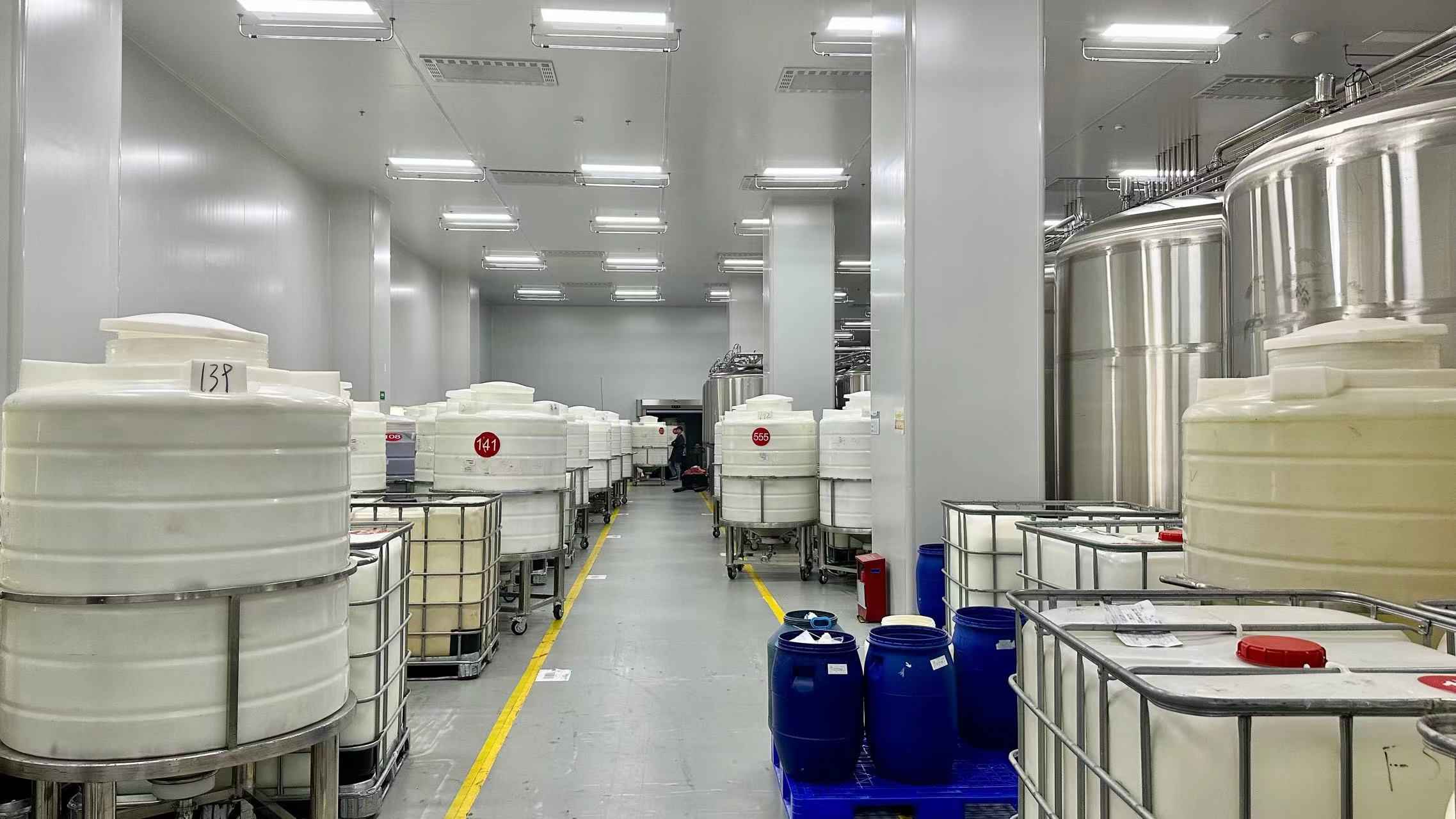
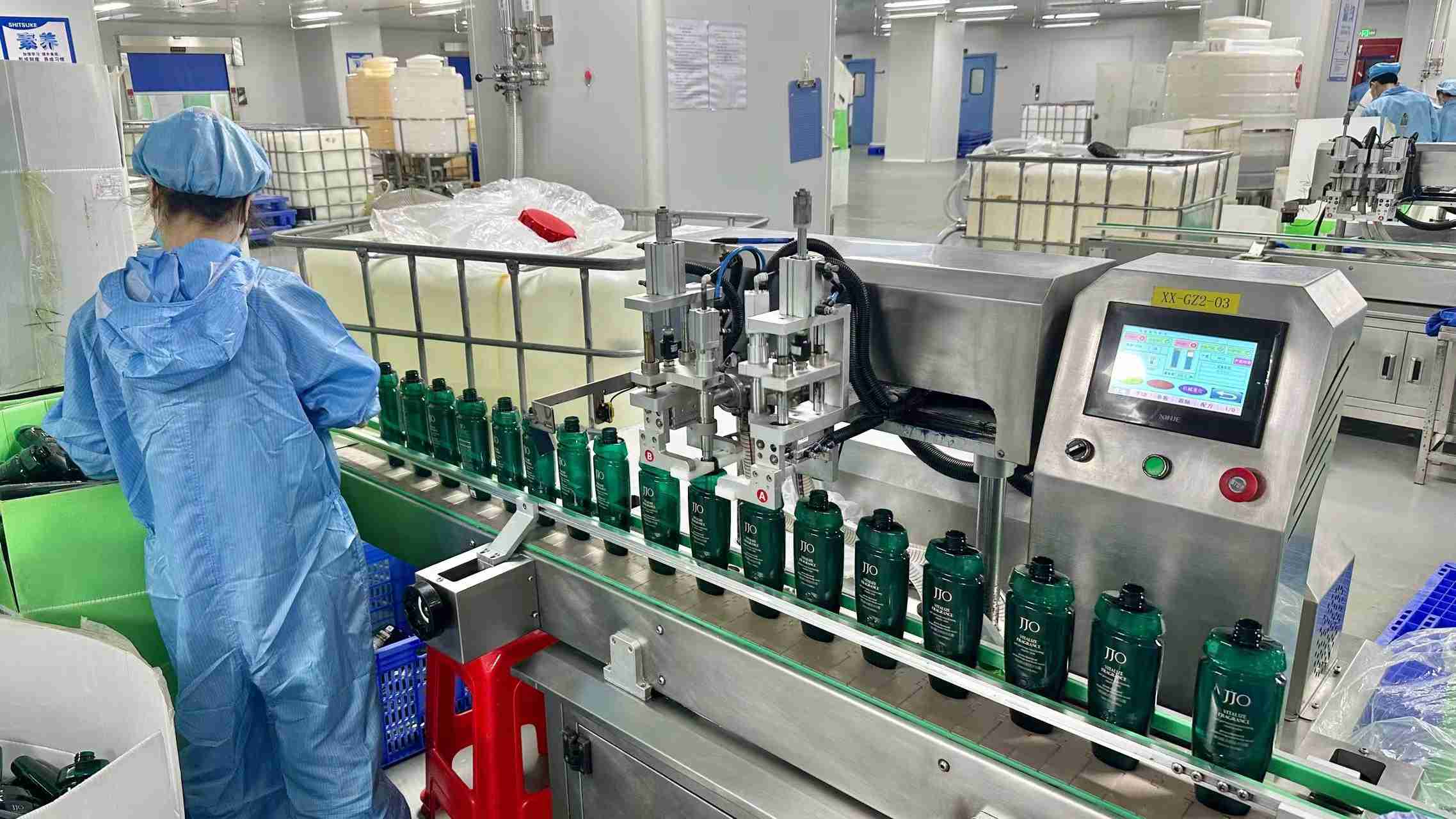
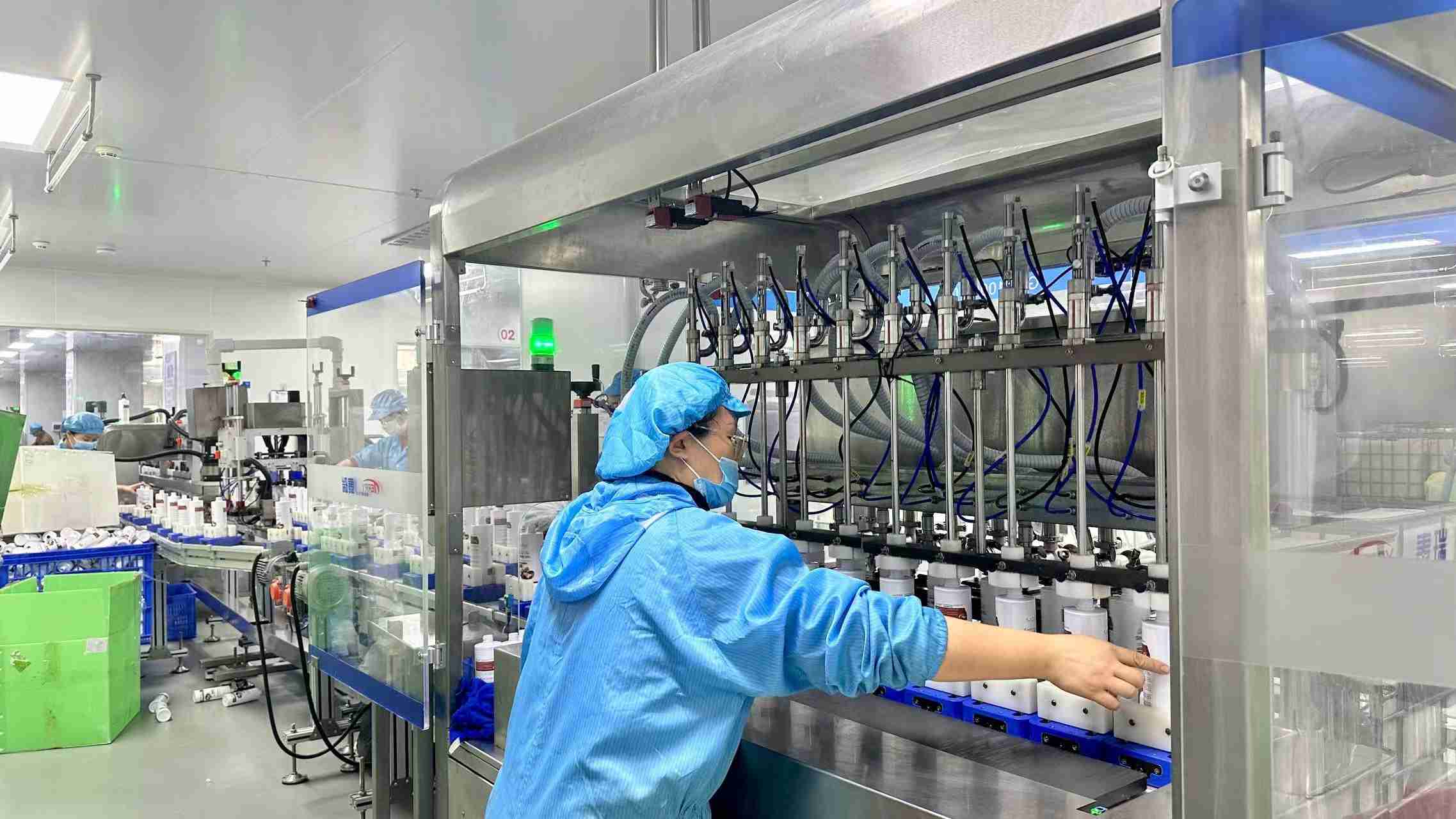
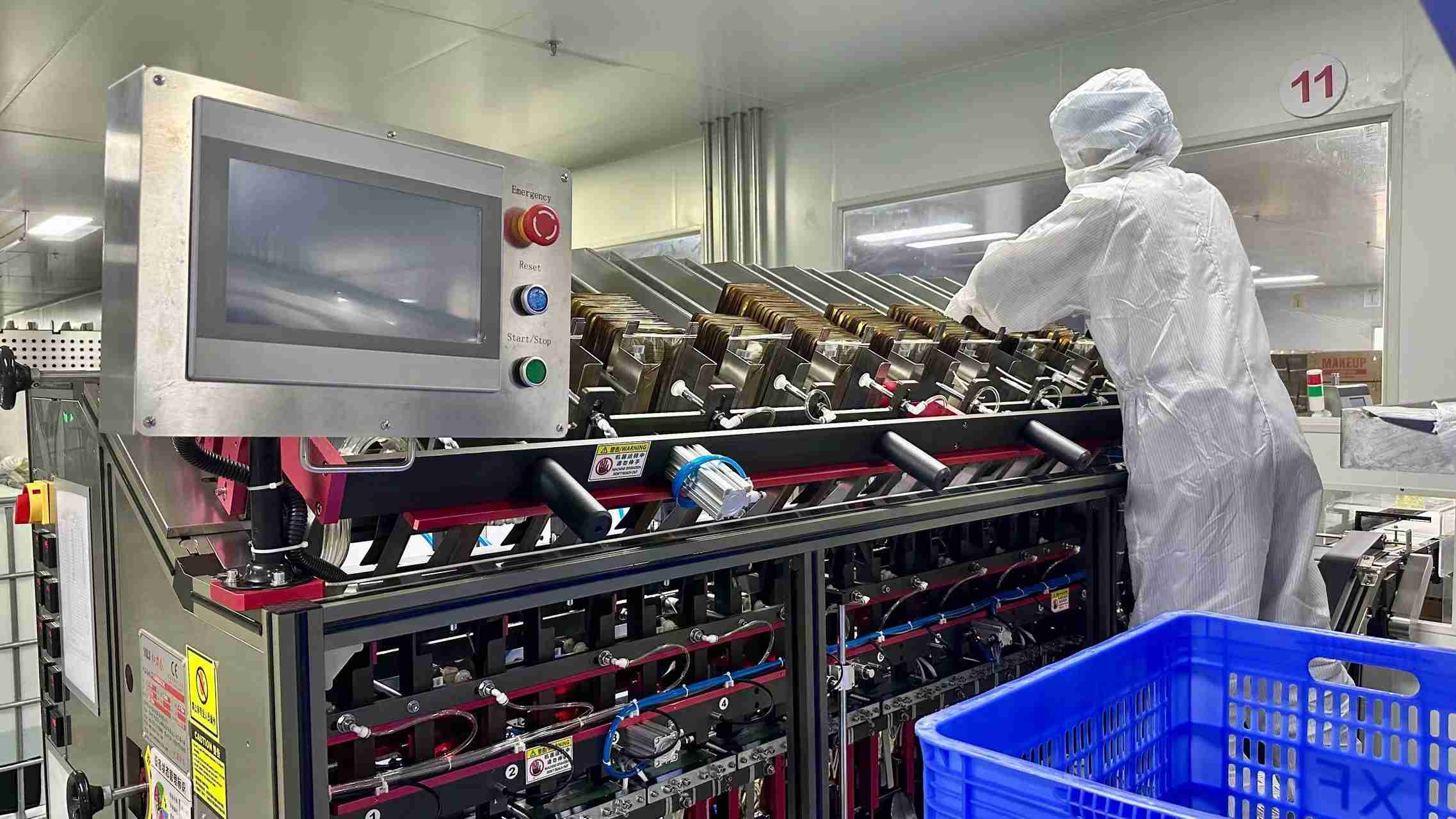
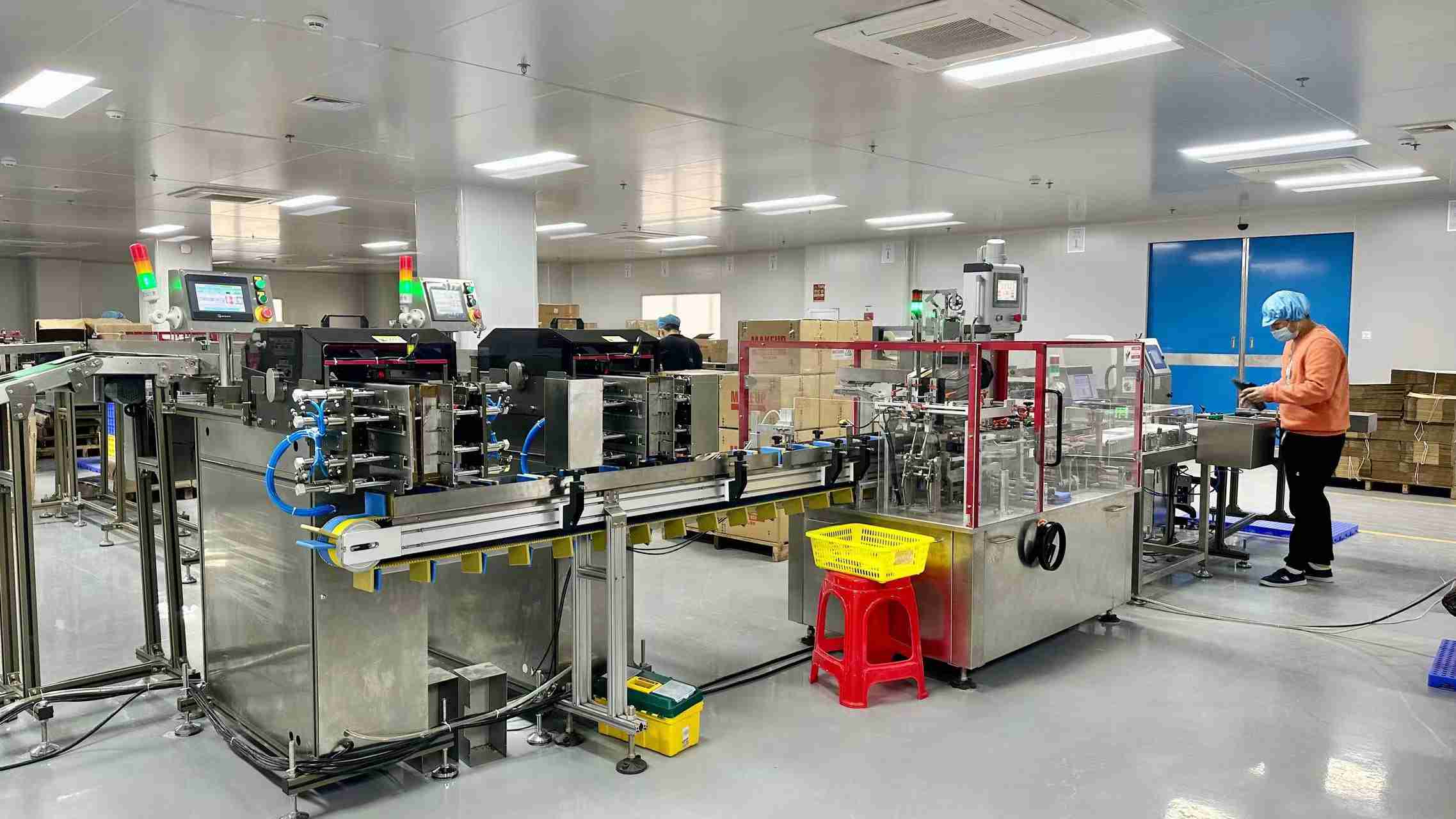
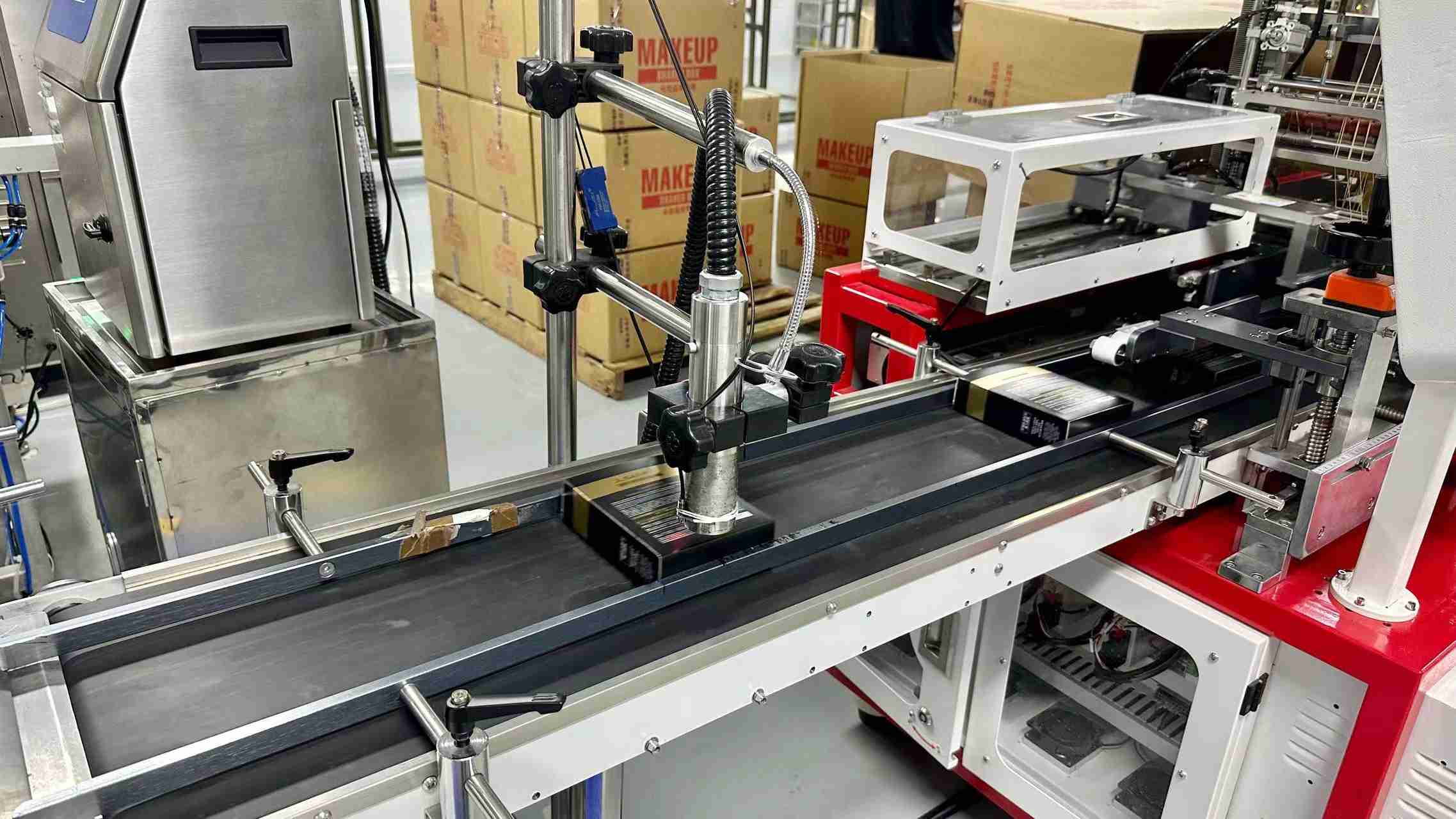
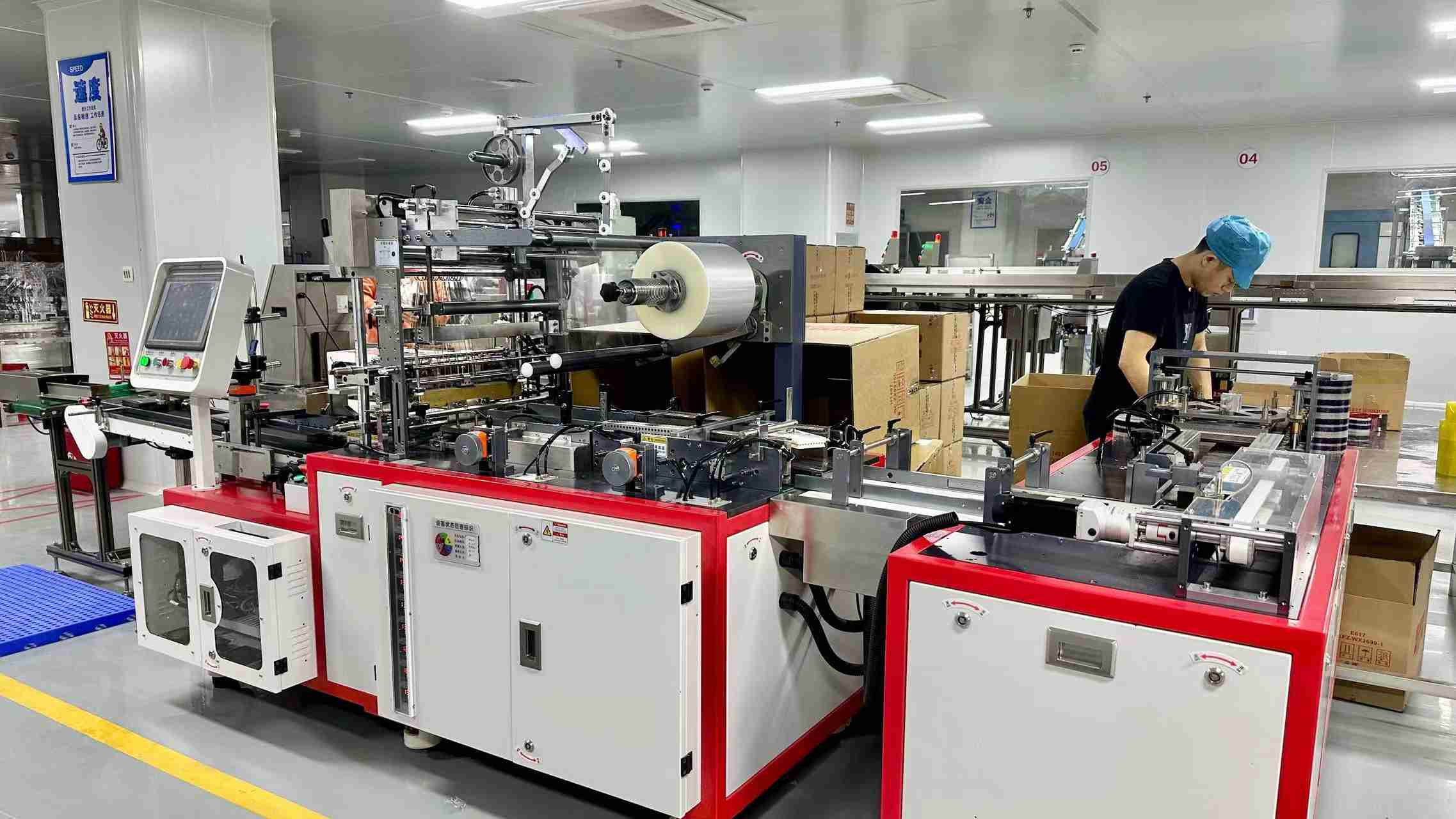
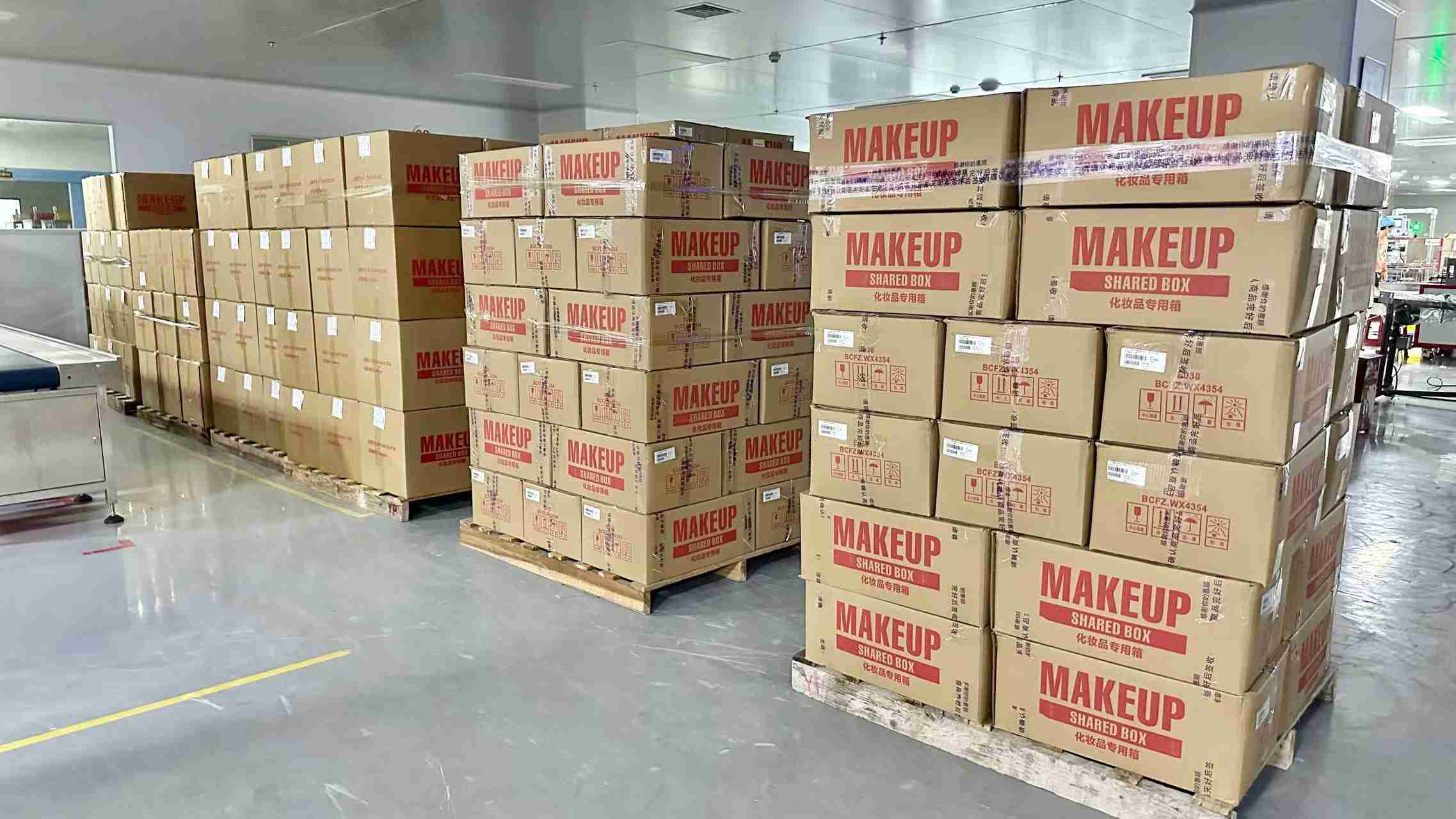
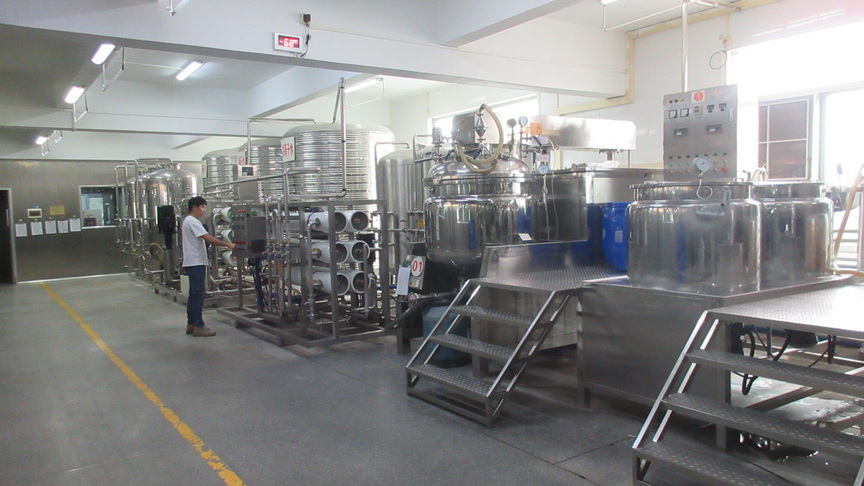
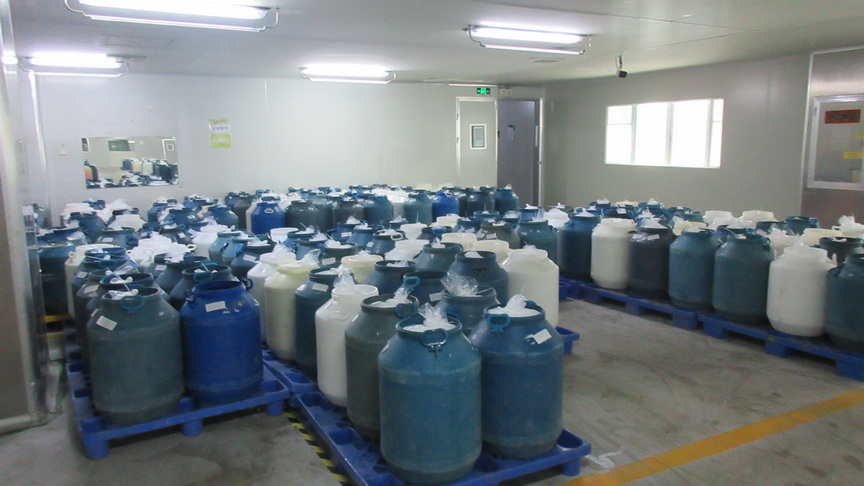
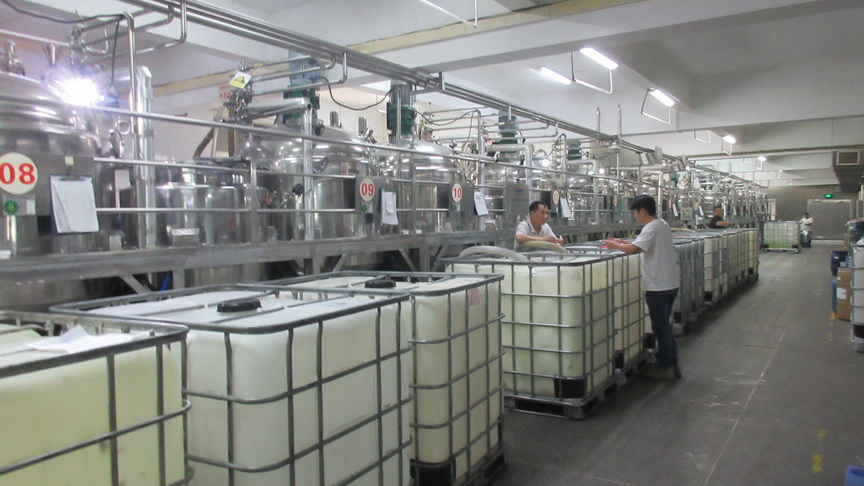
China remains the epicenter of the global beauty manufacturing supply chain, offering unmatched efficiency and structural advantages. As a primary cosmetic hub in Zhejiang, Bremma Beauty leverages these regional ecosystems to offer advantages that Western manufacturers find difficult to replicate.
Our regional supply chain integration enables rapid sourcing of components, ranging from custom double-chamber cosmetic bottles to biodegradable mask fibers. This vertical efficiency allows us to reduce turnaround times by 30% to 50% compared to global competitors.
Additionally, China’s industrial automation capabilities ensure consistent quality. By integrating high-throughput machinery and real-time sensor testing, we maintain stable formula emulsion and active ingredient stability. The result is a highly competitive cost-to-quality ratio, enabling global brands to secure high-performance skin-brightening products while maintaining strong retail margins.
Skin brightening products must be localized to suit varying global climates and cultural preferences. A formulation that succeeds in Northern Europe may not perform well in the high-humidity environments of Southeast Asia or the dry heat of the Middle East.
Markets like Southeast Asia require lightweight, fast-absorbing formulations. In these regions, CC/BB cushions or oil-free, non-comedogenic serums with niacinamide are highly preferred to prevent breakouts.
In regions like the Middle East, environmental dust and UV rays accelerate skin dullness and melasma. Formulations must combine brightening actives with intense hydration barriers and SPF protectors.
Western markets favor restorative nighttime solutions. Thick hydrogel collagen masks or concentrated serums containing slow-release peptides and Vitamin C work overnight to restore skin radiance.
The cosmetic industry is moving rapidly toward sustainable, biocompatible, and high-performance active ingredients. Traditional chemical brighteners are being replaced by safe, biotechnology-derived alternatives.
Key trends include Micro-Encapsulation Technology, which keeps unstable actives like Vitamin C fresh until application, and Peptide Science, which targets cellular signaling pathways to regulate melanin synthesis without damaging skin flora.
Furthermore, clean beauty is now a standard requirement. Brands demand vegan, cruelty-free certification and clean-label formulas free from parabens, mineral oils, and synthetic fragrances. Sustainable packaging, such as PCR plastic and refillable cushion systems, is also becoming a priority for global buyers.
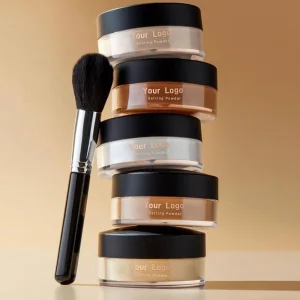
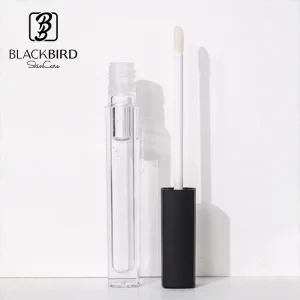
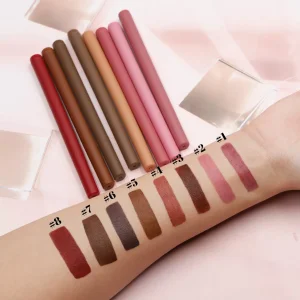
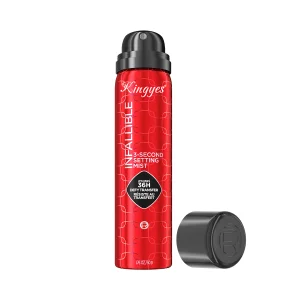
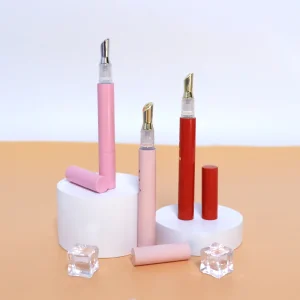
Professional-grade finishing sprays, lip scrubs, and highlighters manufactured to international standards.
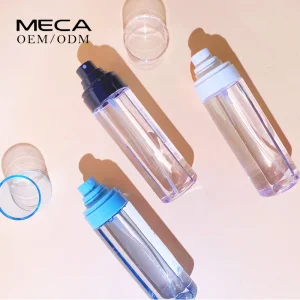
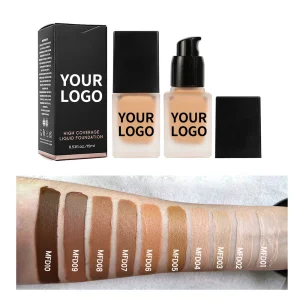
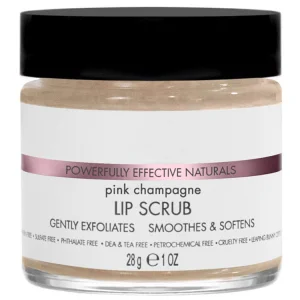
Technical and logistical insights to assist procurement managers and brand owners.
To export skin brightening products to major markets like the US and EU, manufacturers must maintain GMPC (Good Manufacturing Practice for Cosmetics) and ISO 22716 certifications. Products must also have a detailed Safety Assessment Report (CPSR for Europe) verifying that active ingredients, such as niacinamide and kojic acid, are within safe, legal concentrations and free from contaminants like hydroquinone or heavy metals.
We use advanced emulsifying mixers and raw materials imported from Korea. Our active ingredients, such as Vitamin C and peptides, are formulated using specialized encapsulation technologies to protect them from oxidation. We also perform stability testing at temperatures ranging from 0°C to 48°C to ensure a minimum shelf life of two to three years.
We offer full-service customization (OEM/ODM). This includes developing custom formulations, matching shades for diverse skin tones, sourcing eco-friendly packaging, and designing custom branding. Our R&D team can tailor textures, viscosity, and active ingredients to align with your brand's requirements.
MOQs vary by product line and formulation complexity. Standard formulations in stock packaging can start with lower MOQs. Custom formulations or custom-molded packaging typically require higher MOQs to offset production setups. Production lead time is generally between 30 to 45 days after formula approval and packaging design finalization.
All raw materials undergo strict QC testing upon arrival. We partner with reputable global chemical suppliers and require Certificates of Analysis (COA) and Material Safety Data Sheets (MSDS) for every batch. This ensures compliance with FDA and EU cosmetic standards from the start of production.
 Bremma Beauty