
In the rapidly changing beauty and personal care industry, the choice of a manufacturing partner is the single most critical decision for a cosmetics brand. As facial cleansing evolves from a basic hygiene necessity to a high-science, multi-functional skincare ritual, global sourcing dynamics are shifting toward highly optimized, regulation-compliant, and technologically advanced manufacturing hubs.
Modern consumers demand highly specific benefits—ranging from amino acid-based gentle cleansing and sebum-balancing formulations to microbiome protection and anti-pollution shields. This diversity requires brands to secure partnerships with manufacturers that do not simply package raw ingredients, but actively innovate. In this whitepaper, we dissect the core considerations of facial cleanser procurement, evaluate the strategic supply chain advantages of Chinese manufacturers, examine critical local compliance protocols, and detail how Zhejiang Bremma Beauty Co., Ltd. stands as a benchmark of engineering, formulation, and commercial viability in this competitive space.
Purchasing agents and brand owners targeting high-growth segments in North America, Europe, and the Middle East must evaluate facial cleanser manufacturers across three foundational dimensions:
Entering major consumer regions requires navigating complex, localized, and strict regulatory frameworks. Partnering with a manufacturer that lacks regulatory sophistication is the single largest risk to product timelines and brand reputation.
In the United States, manufacturers must strictly conform to FDA regulations. Compliance involves ensuring that any active claims (such as anti-acne cleansers containing Salicylic Acid) are registered as Over-The-Counter (OTC) drugs, complete with National Drug Code (NDC) registration and strict validation of active ingredient assay levels.
In the European Union, compliance centers around the Cosmetic Products Regulation (EC) No 1223/2009. The manufacturer must prepare a comprehensive Product Information File (PIF), execute a detailed Cosmetic Product Safety Report (CPSR) authored by a qualified safety assessor, and facilitate the notification on the Cosmetic Products Notification Portal (CPNP) under an established Responsible Person (RP).
In the Middle East (GCC countries), GSO standard conformance is mandatory, including Halal ingredient compliance (ensuring no non-compliant raw materials are utilized in production lines) and registration via SFDA (Saudi Food and Drug Authority) or equivalent national portals.
China has transitioned from a high-volume manufacturing center to a global leader in high-tech skincare research and development. The core advantages that make Chinese factories highly competitive include:
1. Complete Industrial Clustering: Located in key coastal economic regions, modern Chinese factories operate within a 50-mile radius of raw material producers, advanced laboratory testing facilities, custom packaging molders, and international shipping terminals. This proximity significantly reduces lead times and logistics costs.
2. Advanced Technological Infusion: Top-tier Chinese cosmetic manufacturers leverage advanced formulations developed in collaboration with top dermatological labs in Korea and Japan. They combine overseas formulation design with Chinese production efficiency.
3. Rigorous Quality Control Systems: With the implementation of China's new Cosmetics Supervision and Administration Regulation (CSAR) in recent years, Chinese manufacturing lines are subject to strict regulatory oversight, rivaling European standards. This ensures high batch-to-batch consistency and total ingredient safety.
Established in 2014, Zhejiang Bremma Beauty Co., Ltd. has grown into an integrated, highly advanced cosmetics and skincare manufacturer.
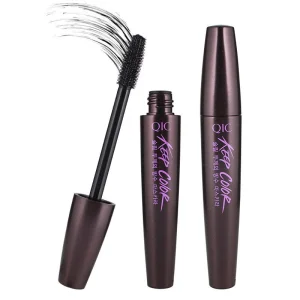
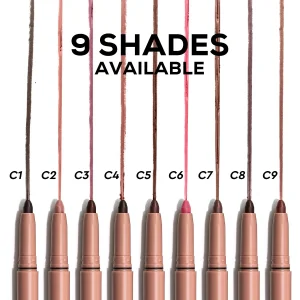
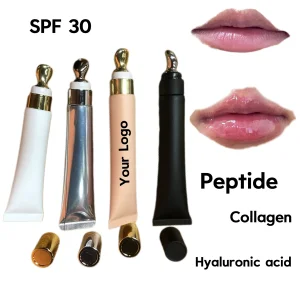
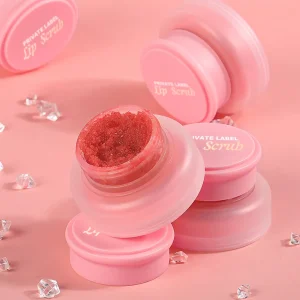
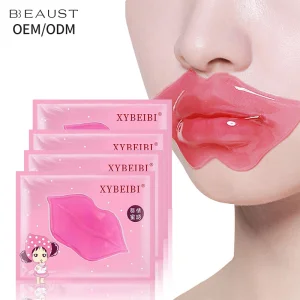
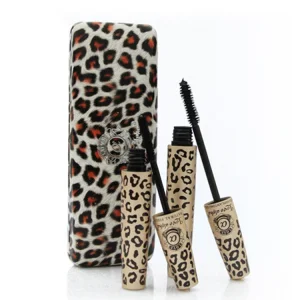
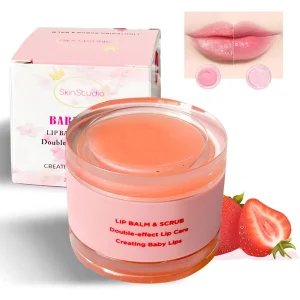
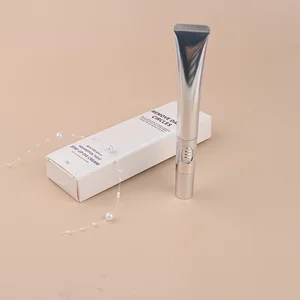
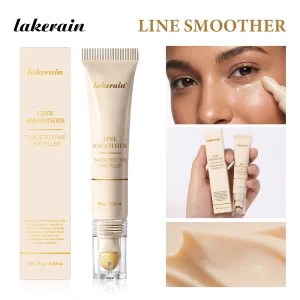
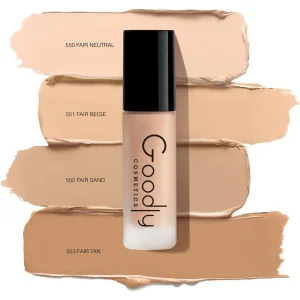
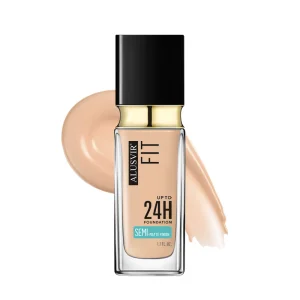
Operating from a modern 2,000 square meter facility, Bremma Beauty combines cutting-edge R&D with advanced manufacturing methodologies to supply leading brands in America, Europe, and the Middle East. The factory specializes in a wide array of premium cosmetics, including lip gloss, lip balm, lipstick, mascara, eyeliner, compact powder, eyeshadow, highlighter, and concealer.
To maintain high quality standards, Bremma utilizes imported raw materials and has adopted advanced techniques introduced from Korea. All manufacturing and packaging processes are fully compliant with FDA standards, ensuring safe products for global markets. Under the company's core philosophy—"Subsistence by Quality; Development by Science and Technology; Market Roots in Credit Standing"—Bremma supports full OEM and ODM services.
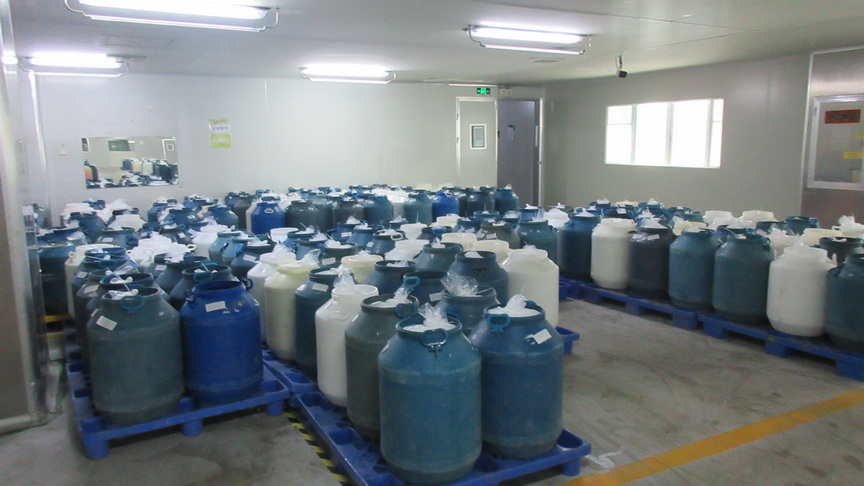
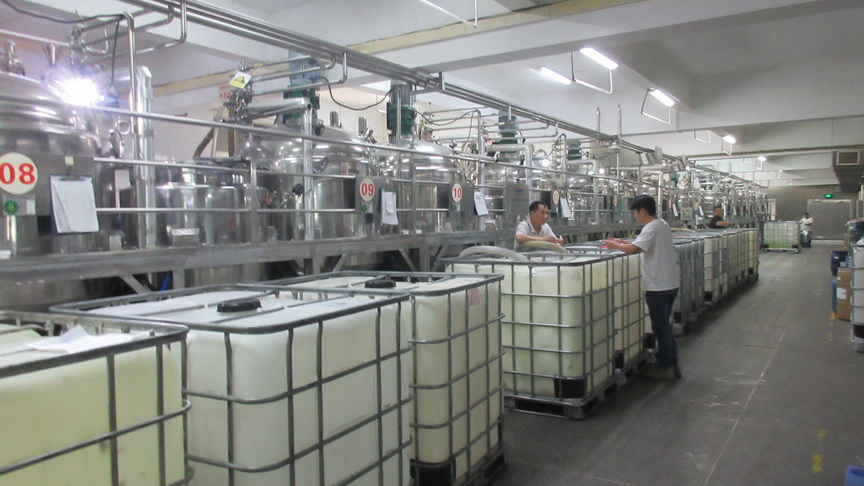
The Bremma Factory Production Process Steps:
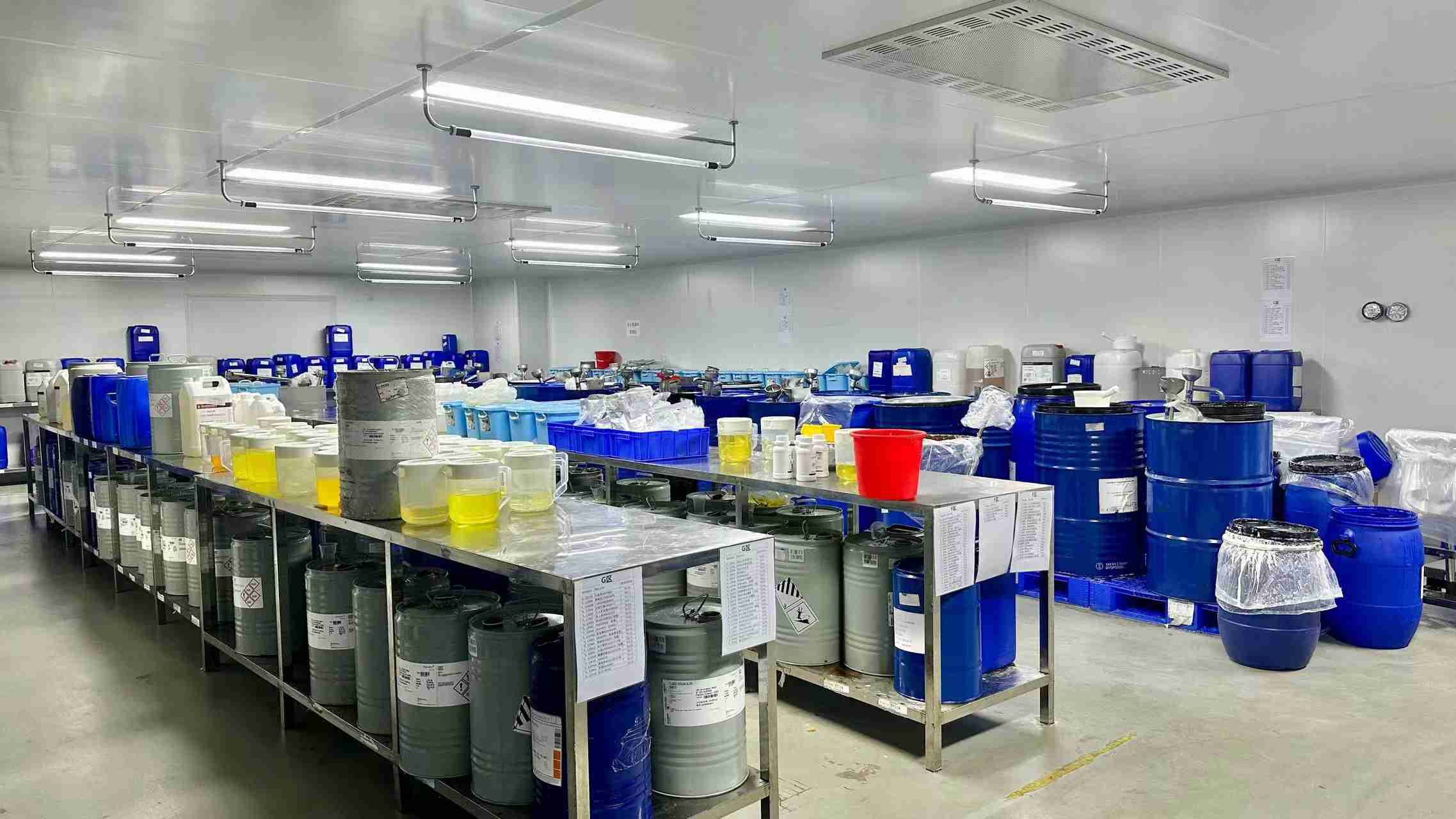
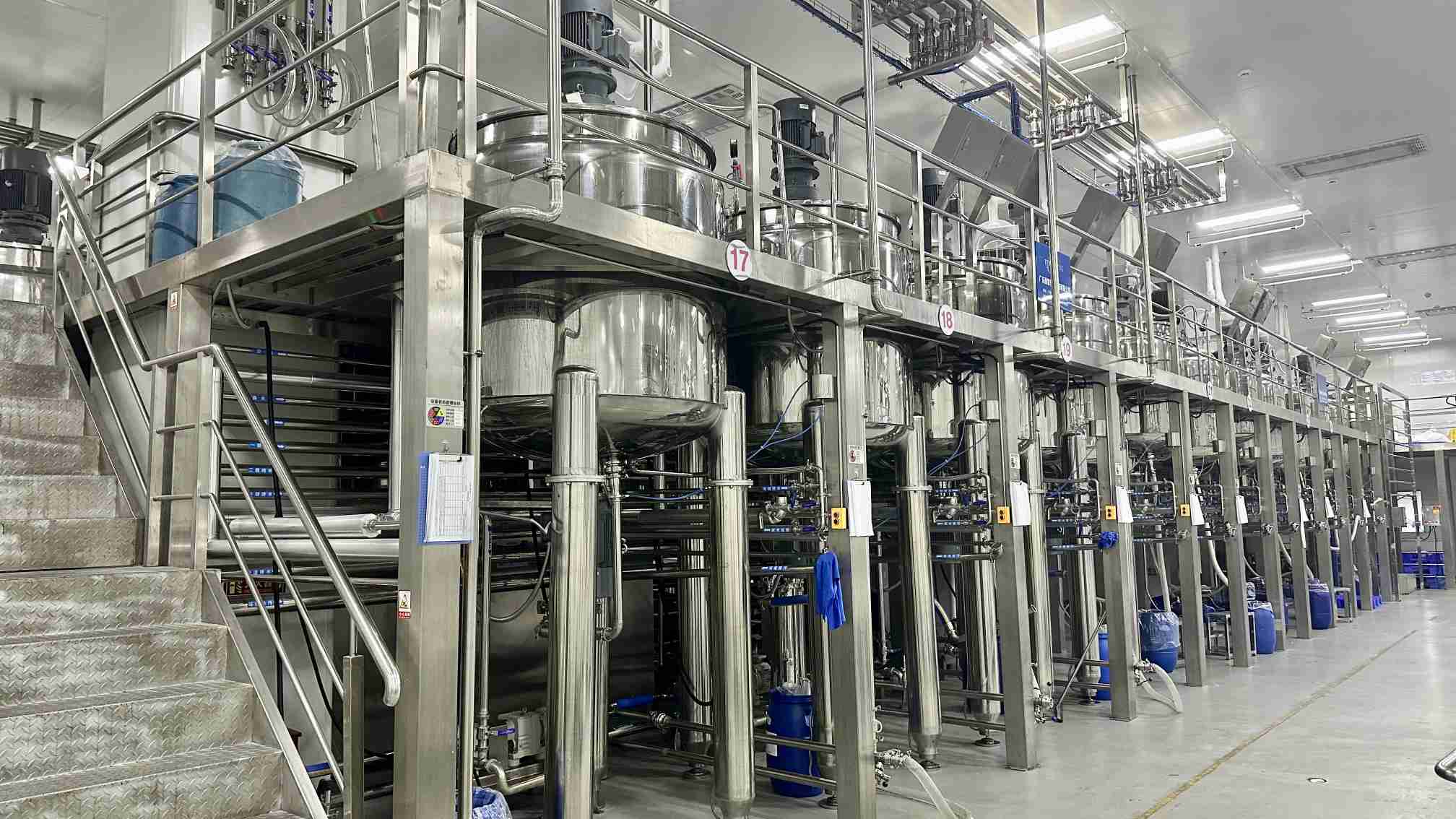
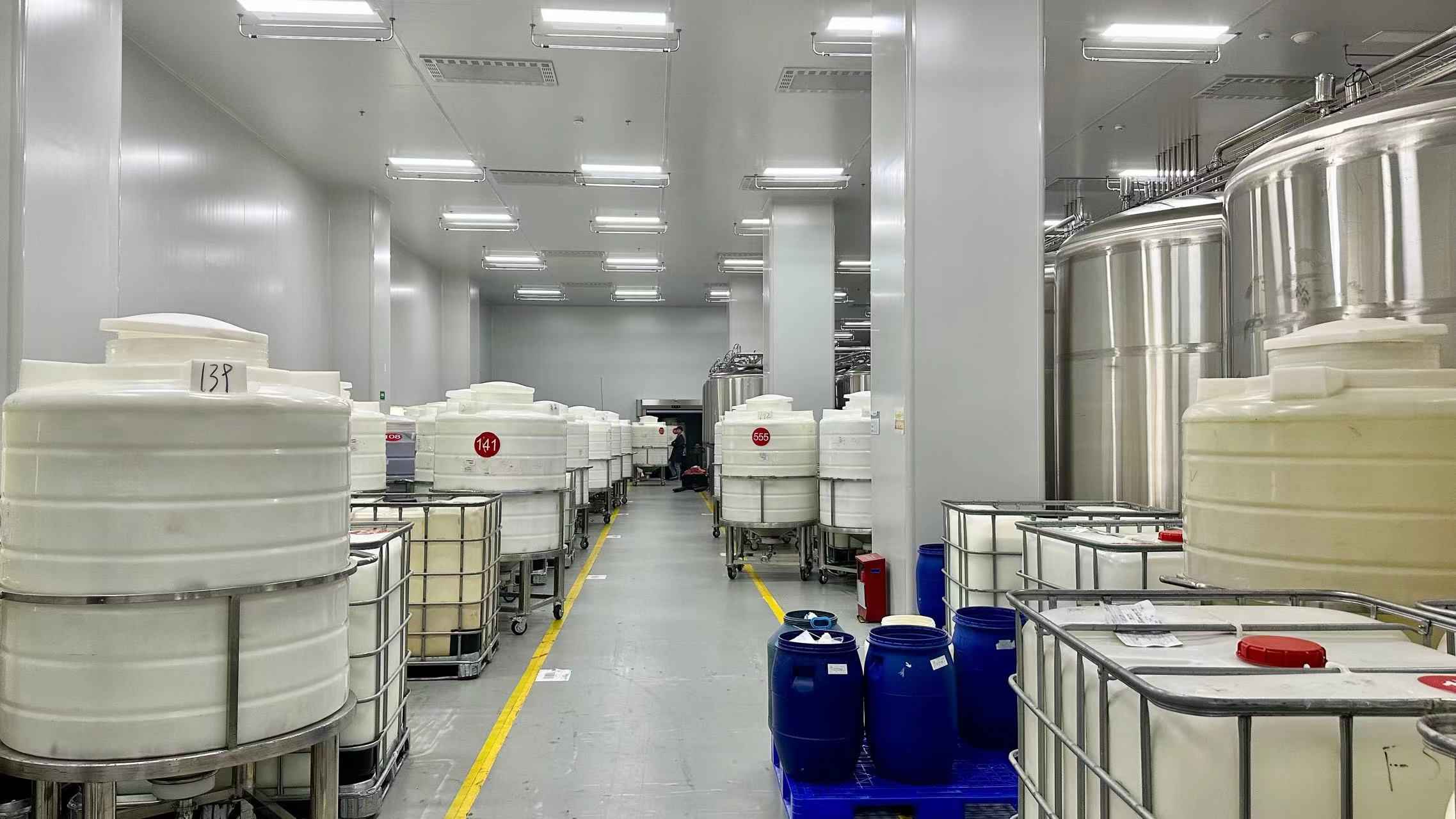
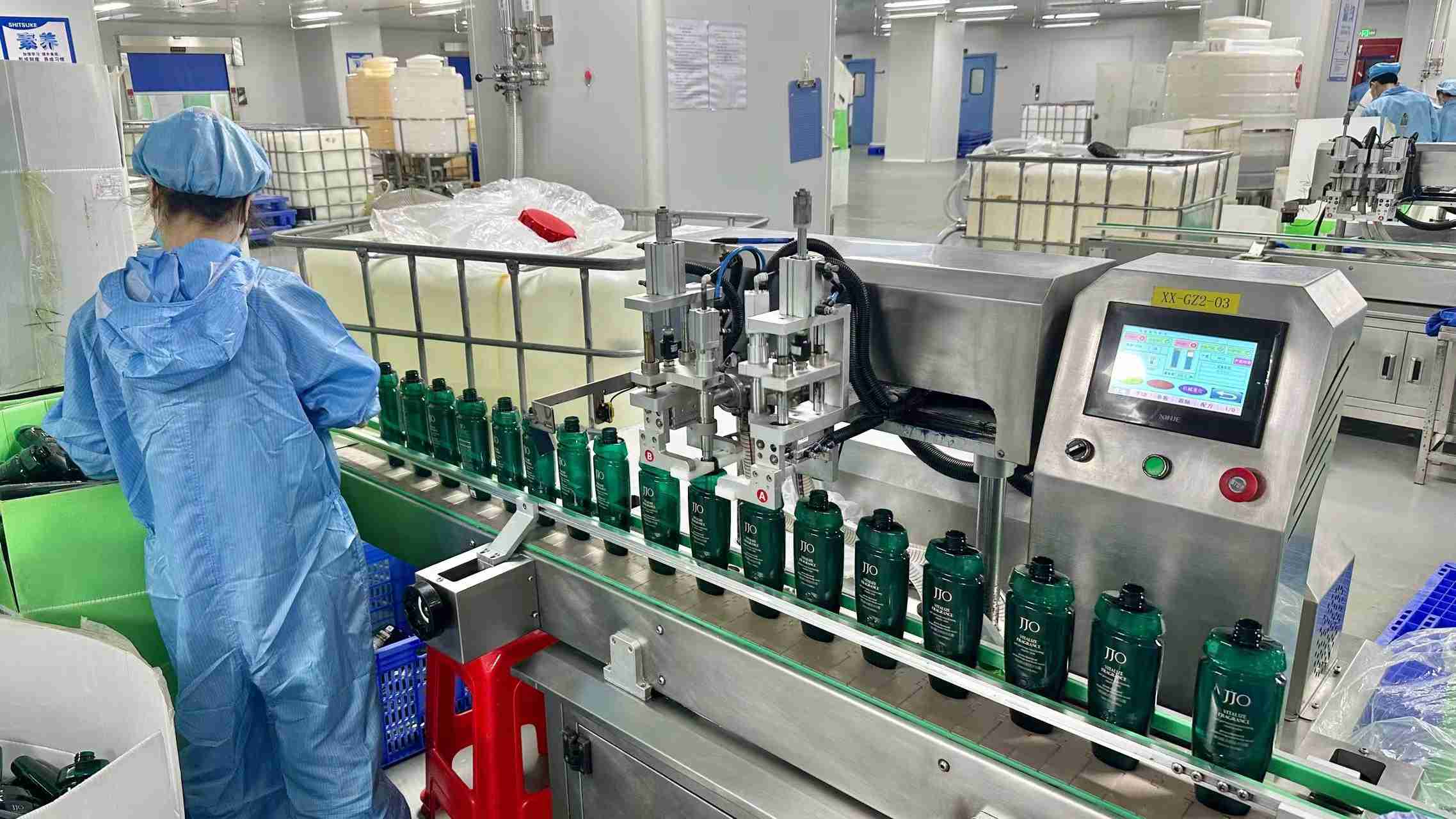
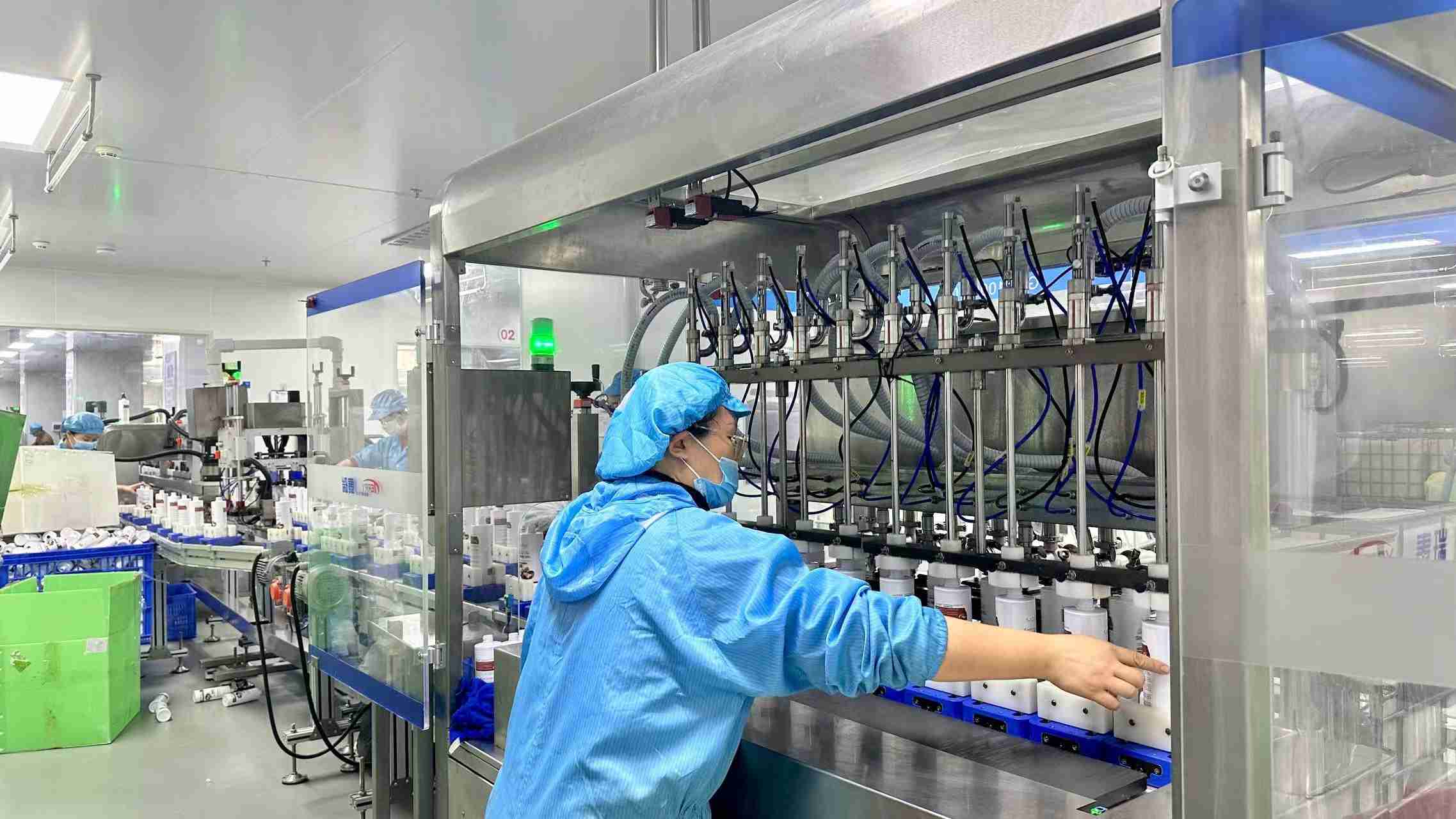
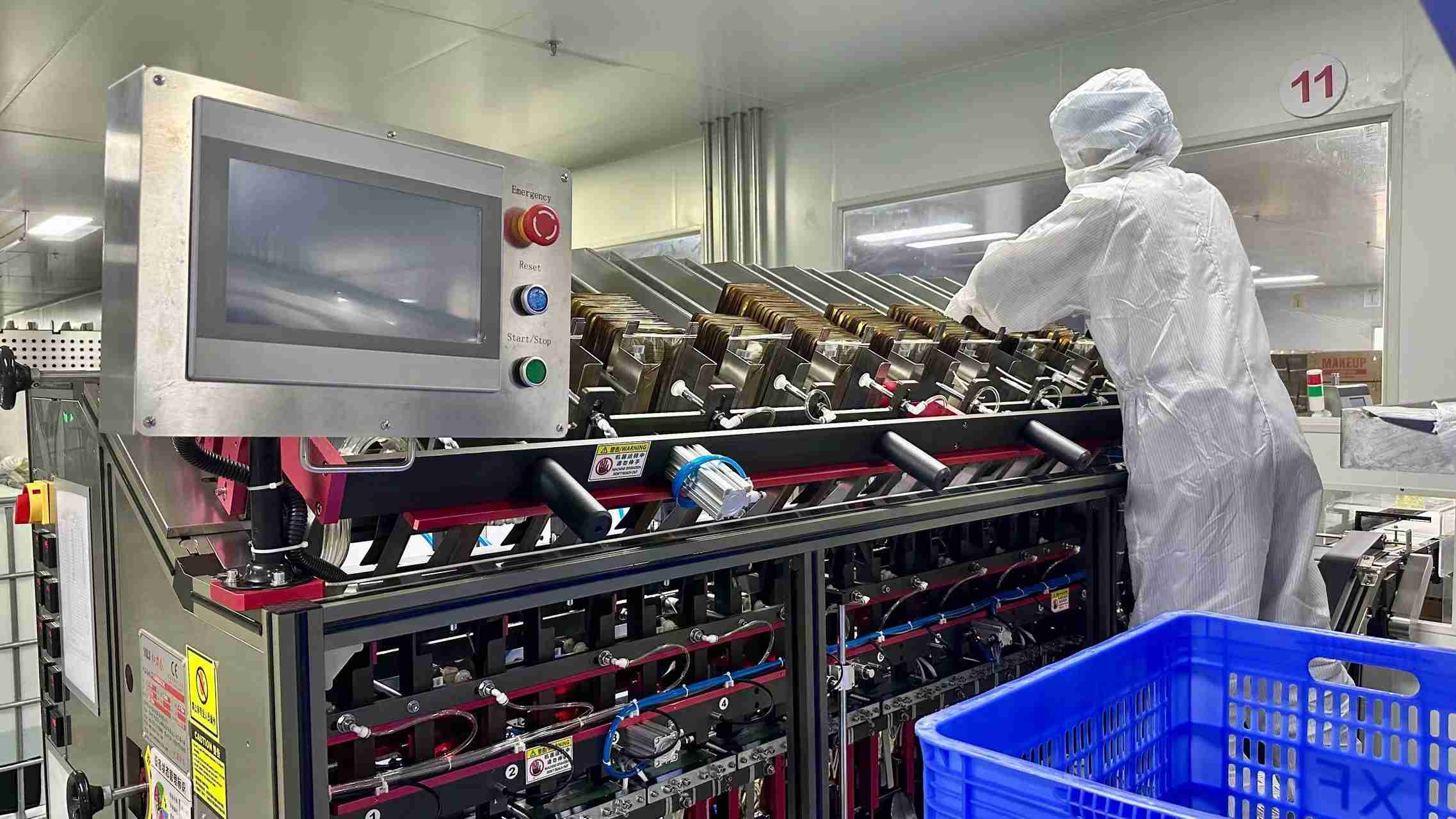
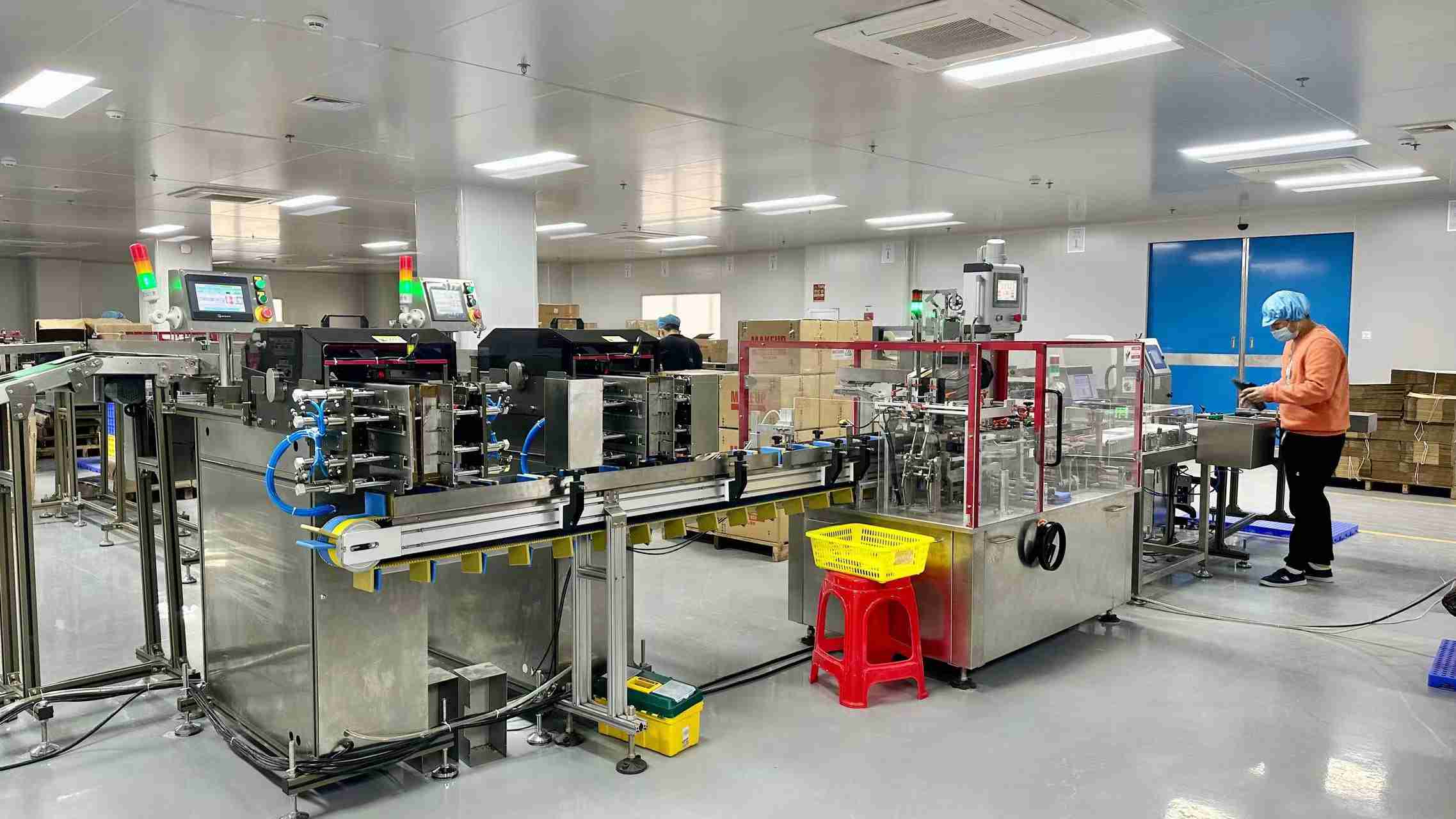
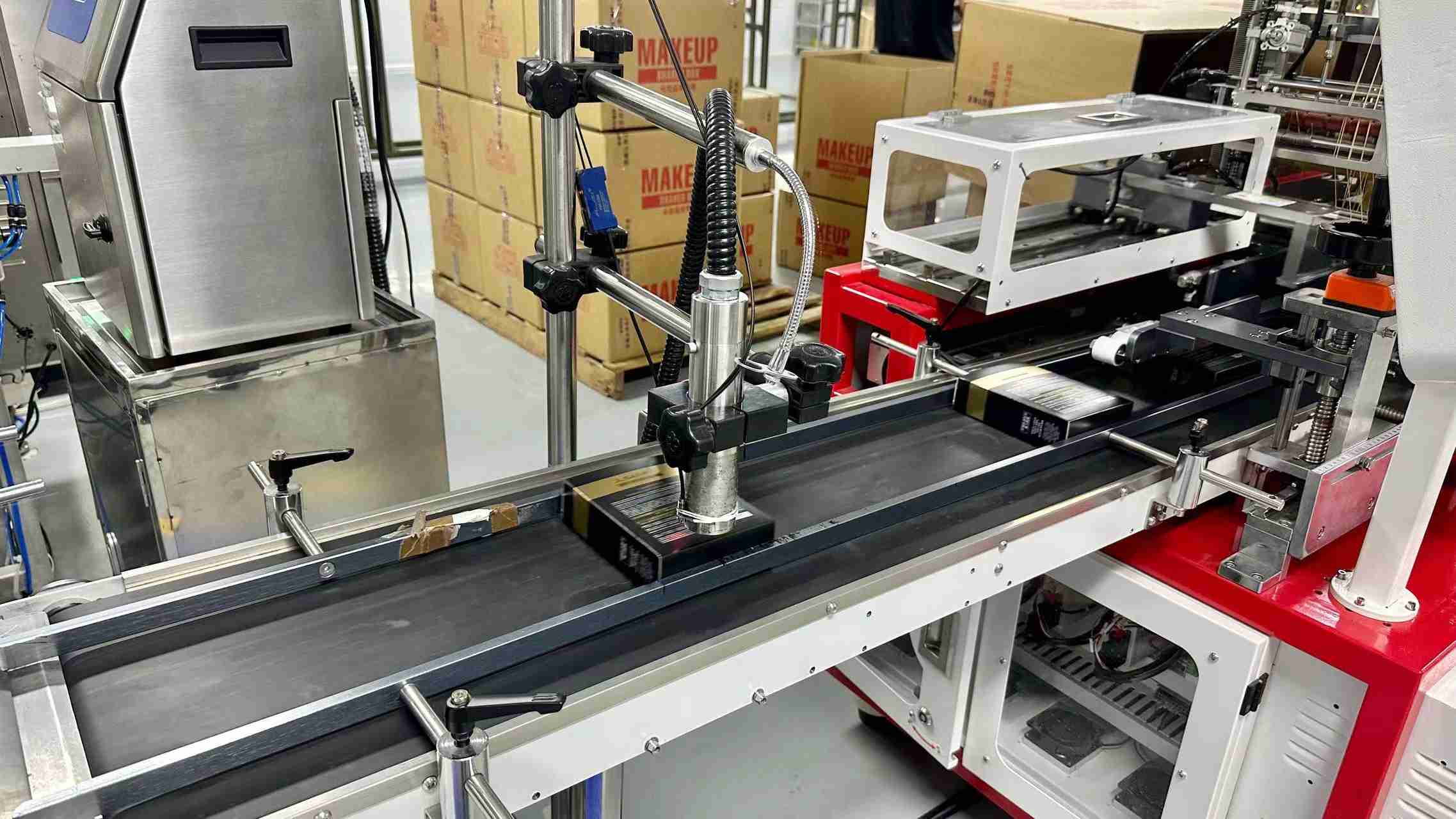
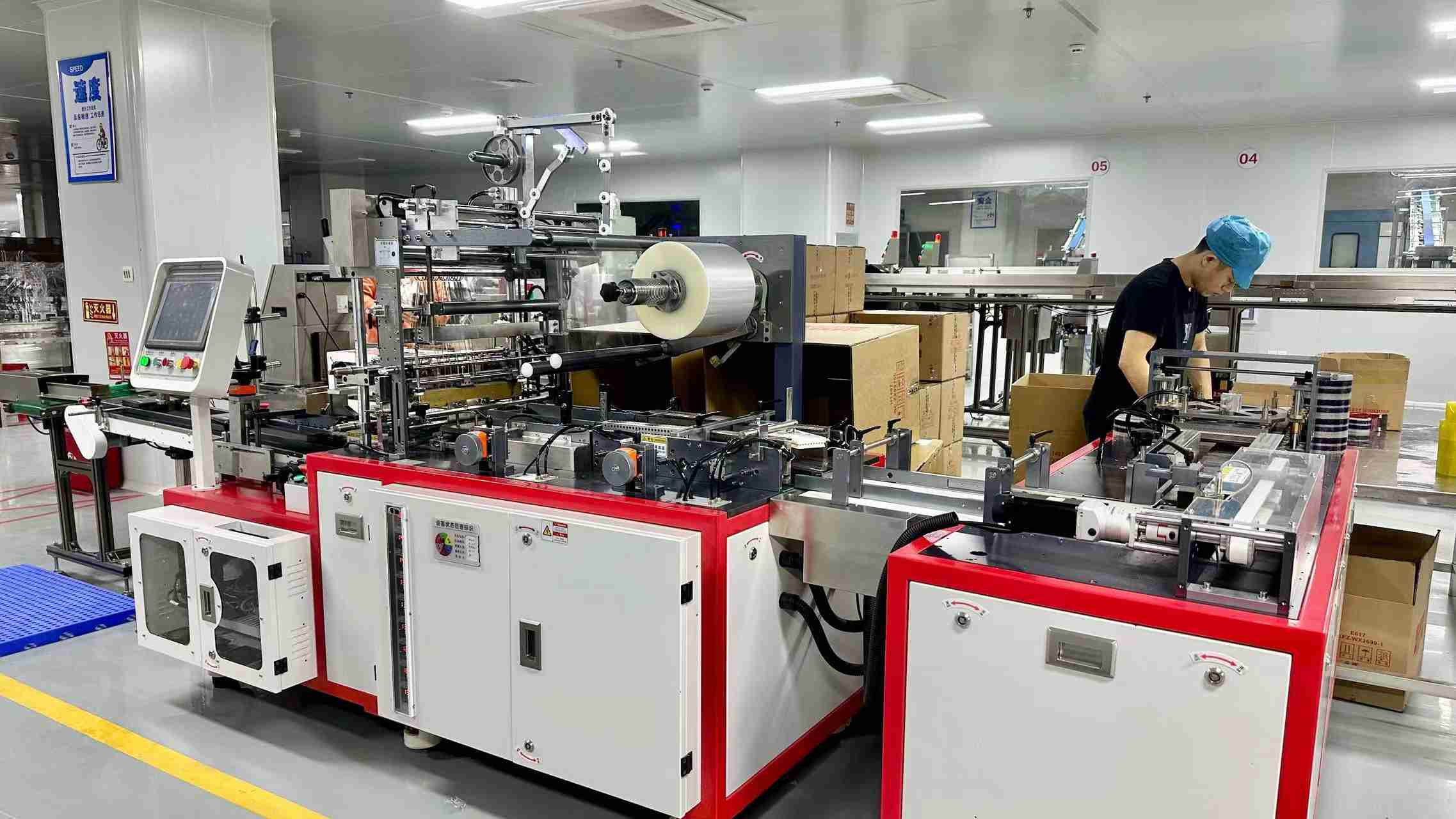
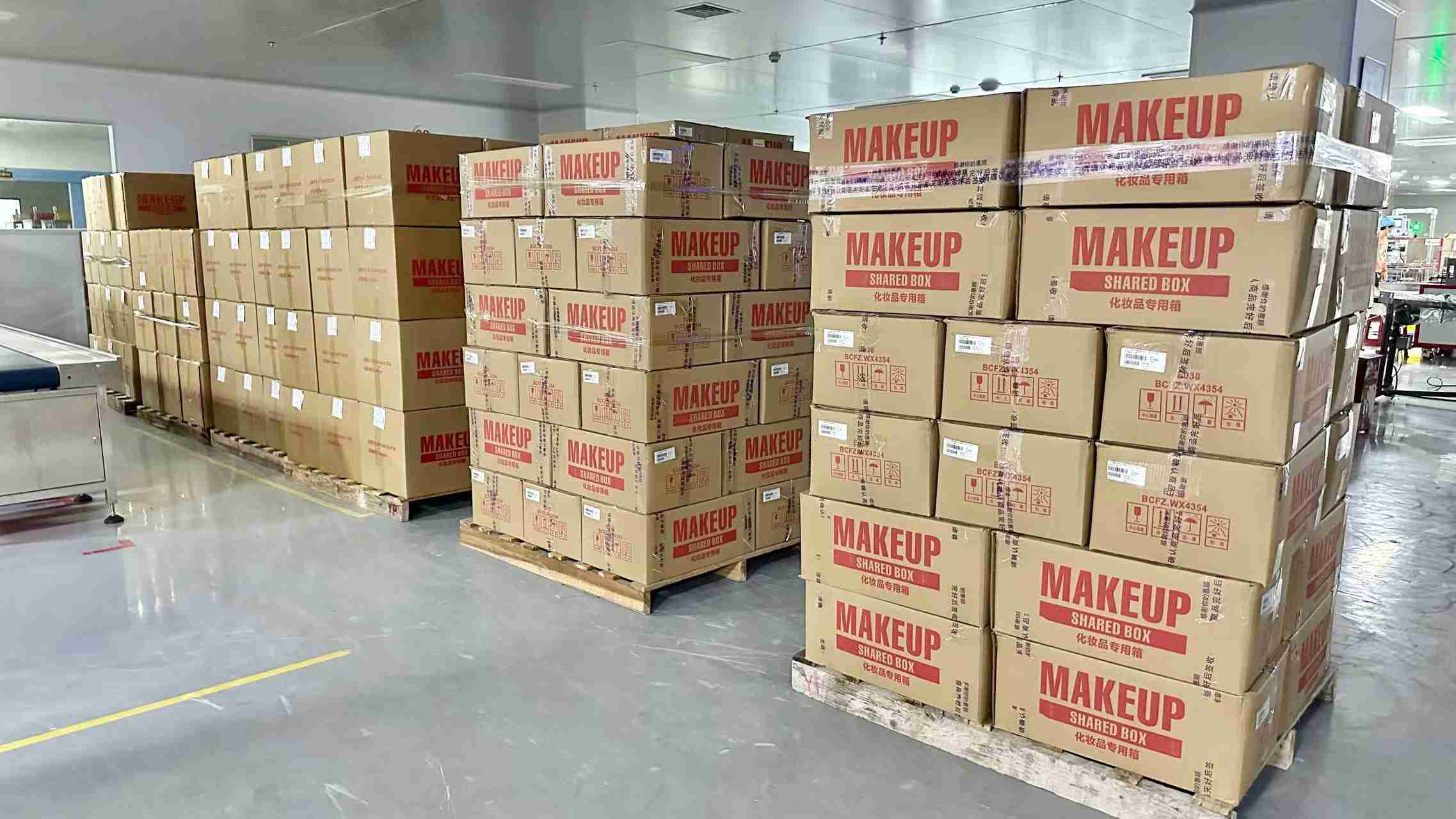
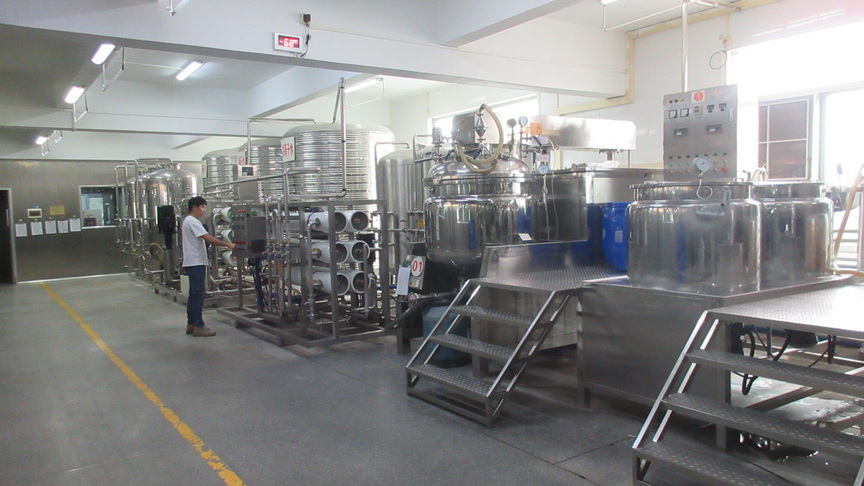
In-depth search intent mining reveals that buyers are looking for suppliers with capabilities aligned with emerging global trends:
1. Skin Barrier Preservation: Modern consumers avoid harsh cleansers. Formulas utilizing ceramides, centella asiatica, and sodium hyaluronate are seeing high search volumes. Sourcing partners must be capable of formulating cleansers that hydrate while cleansing.
2. Clean & Waterless Beauty: Solid cleanser bars, powder-to-foam formulas, and oil-to-milk transformation cleansers are in high demand. These products reduce water content, lower shipping weight, and align with environmental sustainability initiatives.
3. Targeted Active Cleansing: Formulations that address specific conditions—such as salicylic acid for acne, vitamin C for hyperpigmentation, or PHA for sensitive exfoliation—are replacing general-purpose cleansers.
To maximize market share, brands must customize their cleanser lines to suit the climate, culture, and skin profiles of different target regions:
North America: Focus on clean beauty, vegan formulas, and transparent labeling (e.g., EWG Green ingredients). Packaging should emphasize minimalistic design and recycle-friendly, PCR (Post-Consumer Recycled) plastic materials.
European Union: High demand for allergen-free fragrances, microbiome-friendly certifications, and eco-refillable packaging. Formulations must comply with strict EU safety guidelines.
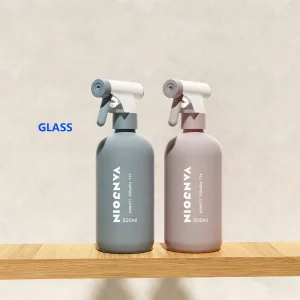
Middle East: Products should focus on intense purification to address dust, pollution, and high heat. Lightweight gel textures, oil-control claims, Halal certification, and luxurious glass or metallic packaging perform well in this market.
 Bremma Beauty