High-performance private label formulations engineered for rapid market penetration and superior customer retention.
In the highly competitive beauty and personal grooming landscapes, sourcing high-performance hair styling creams requires more than finding a standard manufacturer. Modern consumer demand has shifted from simple styling agents to multi-functional, scalp-safe, and clean-label cosmetic formulations. For global brands, distributors, and indie startups, partnering with the right OEM/ODM styling cream factory in China represents a strategic alignment of cost efficiency, scientific innovation, and speed-to-market.
This comprehensive industry analysis breaks down the chemistry, manufacturing landscape, regulatory compliances, and supply chain strategies crucial for enterprise procurement managers targeting superior quality. By leveraging specialized formulation techniques—often evolved from high-end skincare emulsions—manufacturers are transforming styling creams into hybrid solutions that style hair while treating the scalp.
Years Manufacturing R&D
State-of-the-Art Facility
Imported Premium Ingredients
Global Regulatory Compliance
How modern chemical engineering achieves the perfect balance of hold, texture, shine, and hair health.
Premium styling creams rely on highly stable Oil-in-Water (O/W) emulsions. High-shear homogenizers disperse natural botanical waxes (like Carnauba and Beeswax) into a hydrous phase, enabling smooth application and effortless water-solubility. This ensures the product washes out without leaving stubborn residues.
To achieve customizable holds (from flexible light hold to ultra-strong freeze hold), our R&D incorporates synthetic and natural cross-linked polymers. PVP/VA copolymers and polyurethane dispersions form a micro-thin, flexible film over the hair shaft, providing high humidity resistance without cracking or flaking.
Modern formulations merge cosmetic hair styling with dermatological nourishment. By infusing styling creams with active skincare ingredients—such as niacinamide, panthenol (Vitamin B5), and hyaluronic acid—our OEM solutions soothe the scalp, strengthen the hair root barrier, and combat heat damage.
How advanced industrial clusters, technical transfers, and supply chain integration drive value for global brands.
China's cosmetic manufacturing zones offer unmatched access to packaging suppliers, fragrance houses, and specialized chemical synthesizers. This cluster effect reduces raw material transit times and lowers production overheads.
By importing specialized machinery and formulation methodologies from South Korea—the global epicenter of cosmetic innovation—our production facilities combine K-beauty skin-barrier science with cost-effective Chinese mass manufacturing.
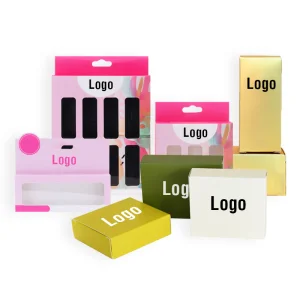
From standard aluminum tins and airless pump bottles to high-end holographic paperboard packaging with debossed branding, Chinese factories provide endless, cost-efficient customization options with low minimum order requirements.
Modern export-oriented factories operate under strict compliance with FDA guidelines and ISO 22716 standards. Fully-equipped microbiology laboratories test every batch for heavy metals, microbial loads, and high-temperature stability.
Aligning your brand with the growing, search-driven consumer needs that dictate purchasing behaviors.
Consumers no longer view styling creams merely as styling agents; they want scalp-nourishing benefits. Keywords like "salicylic acid styling gel," "biotin pomade," and "scalp-soothing styling cream" are showing dramatic search growth, prompting brands to demand skin-grade ingredients in styling formulas.
Demand for silicone-free, sulfate-free, and vegan styling formulas is at an all-time high. Consumers actively avoid synthetic build-up. Engineering styling creams that use natural plant esters, seed oils, and vegetable-derived waxes to replicate silicone slip is crucial for modern brand success.
With erratic weather patterns globally, "anti-humidity" and "frizz control styling creams" are leading search intents across major regional hubs. Custom formulations must contain moisture-barrier polymers that shield hair fibers from external ambient dampness.
Adapt product specifications to meet the demographic, climatic, and regulatory needs of key target markets.
Focus: Low-shine, high-texture matte finishes. Natural, tousled hairstyles dominate. Formulations should contain kaolin or bentonite clay to absorb excess sebum and leave a lightweight, dry-touch hold. Cruelty-free and vegan certifications are major market entry drivers.
Focus: Highly regulated, eco-conscious clean beauty. Sourcing formulas must be free from microplastics, silicones, and parabens, fully complying with strict REACH regulations and CPNP notification systems. Refillable and PCR-recycled packaging options are key.
Focus: High-humidity, high-heat defense styling creams. Thick hair types require strong-hold formulations with high-gloss finishes. Enrichment with regional favorites like argan and black seed oils, along with complex oud-based fragrance profiles, is highly sought after.
Focus: Light, non-greasy, volume-boosting emulsions. Asian hair types tend to be straight and heavy, requiring styling creams that create height and hold without weighing strands down. Botanical extracts that prevent scalp sweat buildup are ideal.
A structured operational guide for procurement managers evaluating styling cream manufacturing partners.
Every batch of raw ingredients must be verified for origin and quality. Suppliers should provide Certificates of Analysis (CoA) and Material Safety Data Sheets (MSDS) for all oils, waxes, surfactants, and active polymers, ensuring clean cosmetic inputs.
Emulsion stability is tested using centrifugation and thermal-stress incubators (cycling between 45°C and -10°C). This process simulates extreme climate variations encountered during transoceanic shipping, ensuring the product does not separate or liquify.
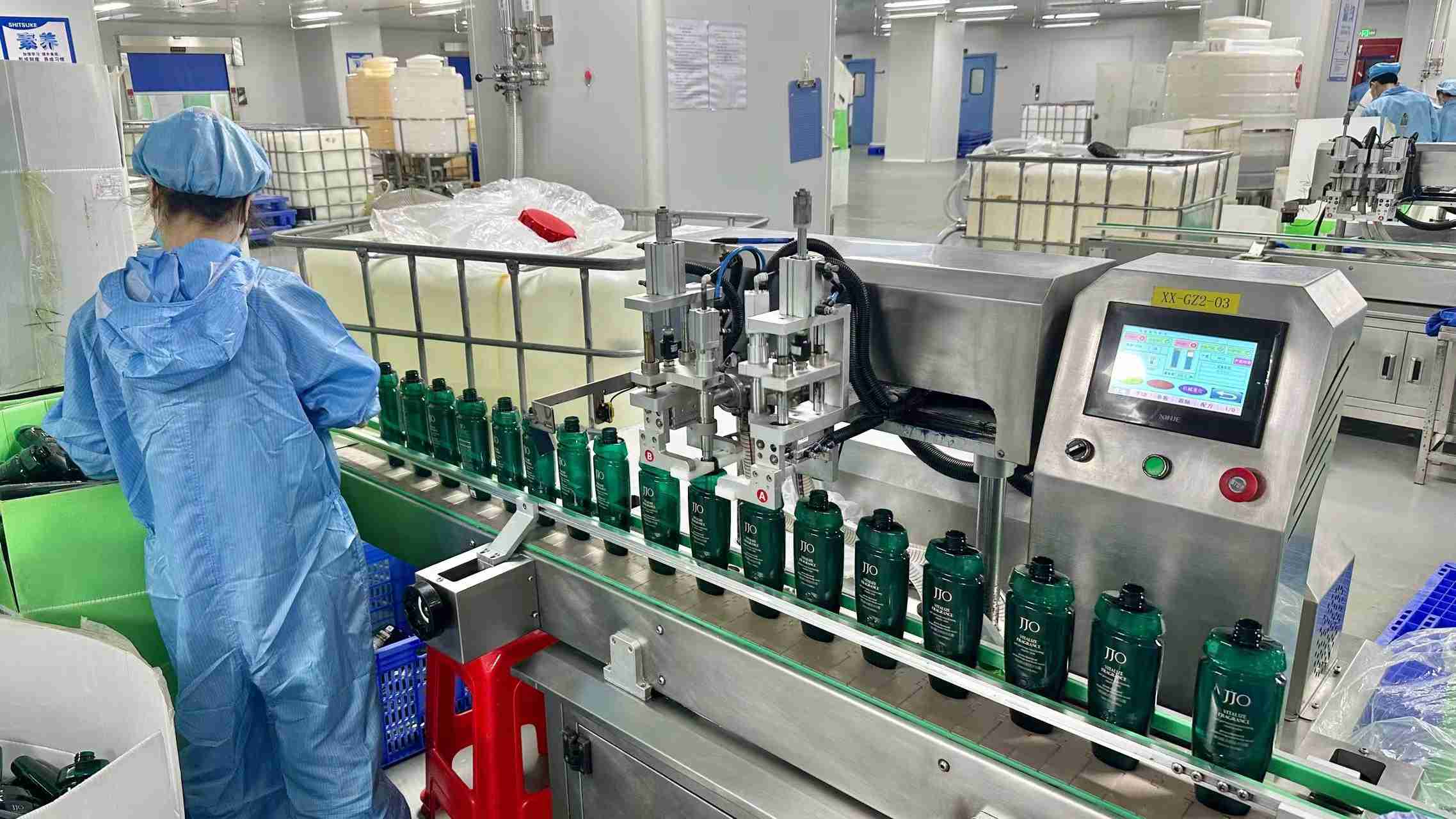
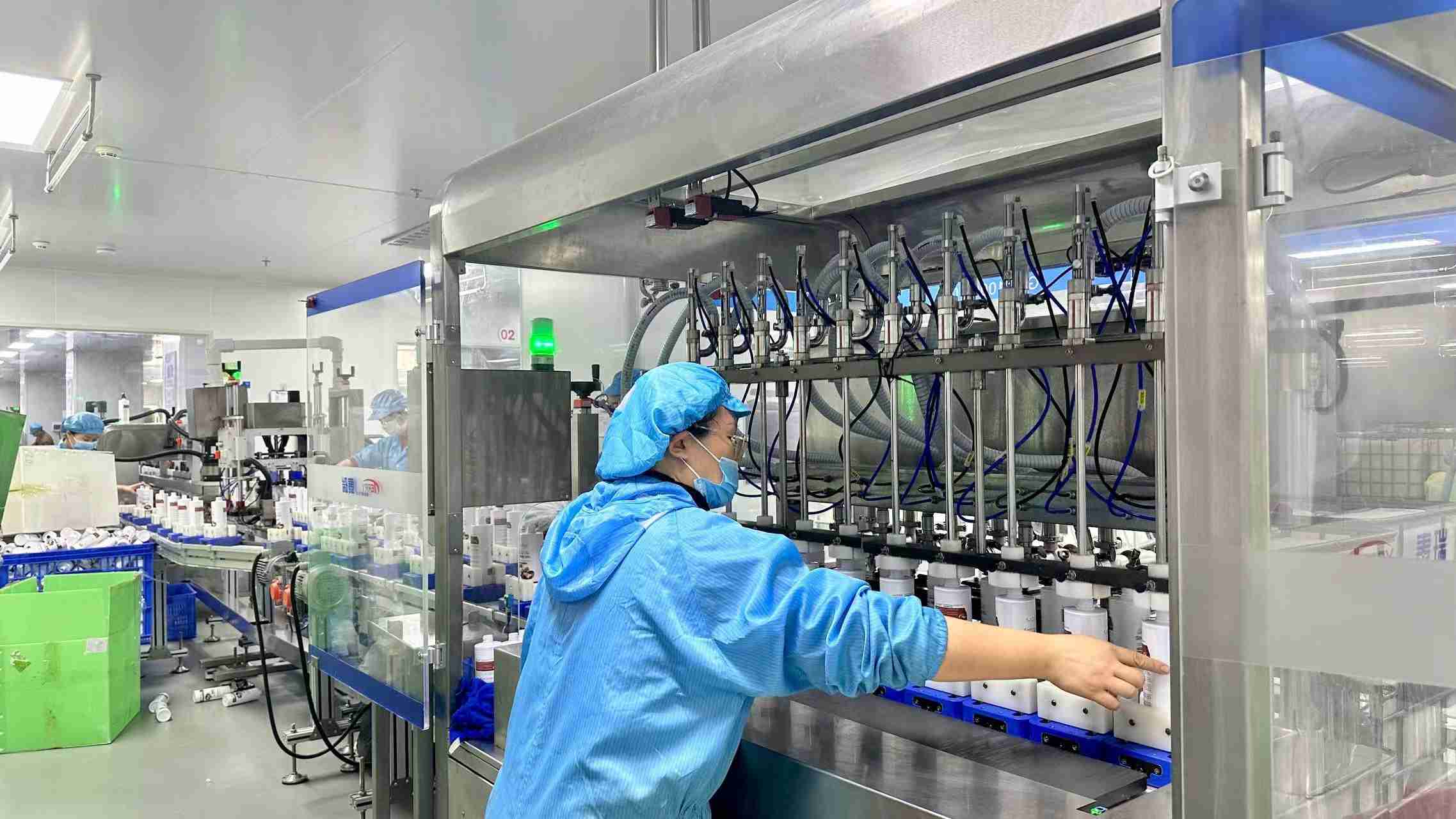
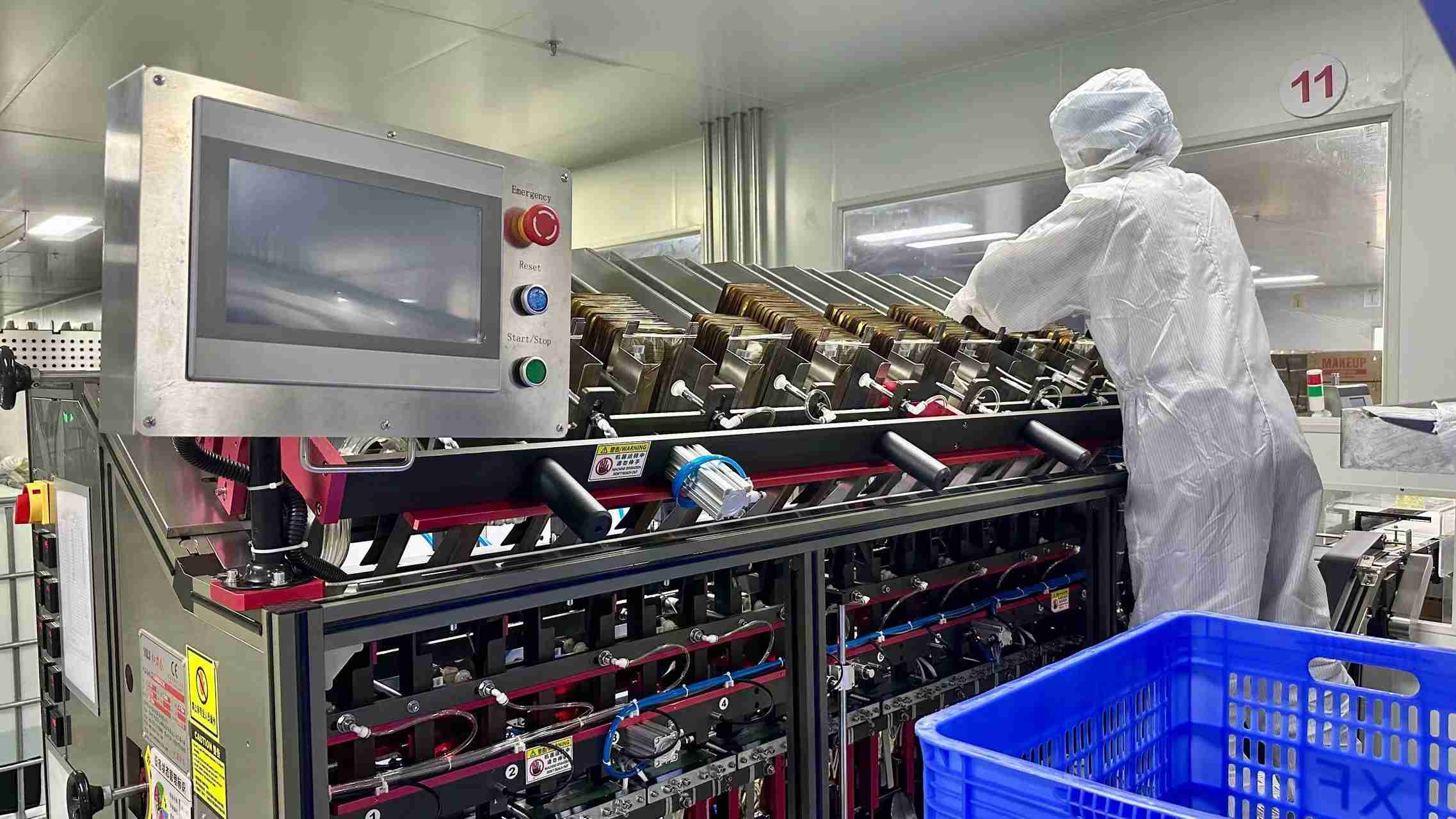
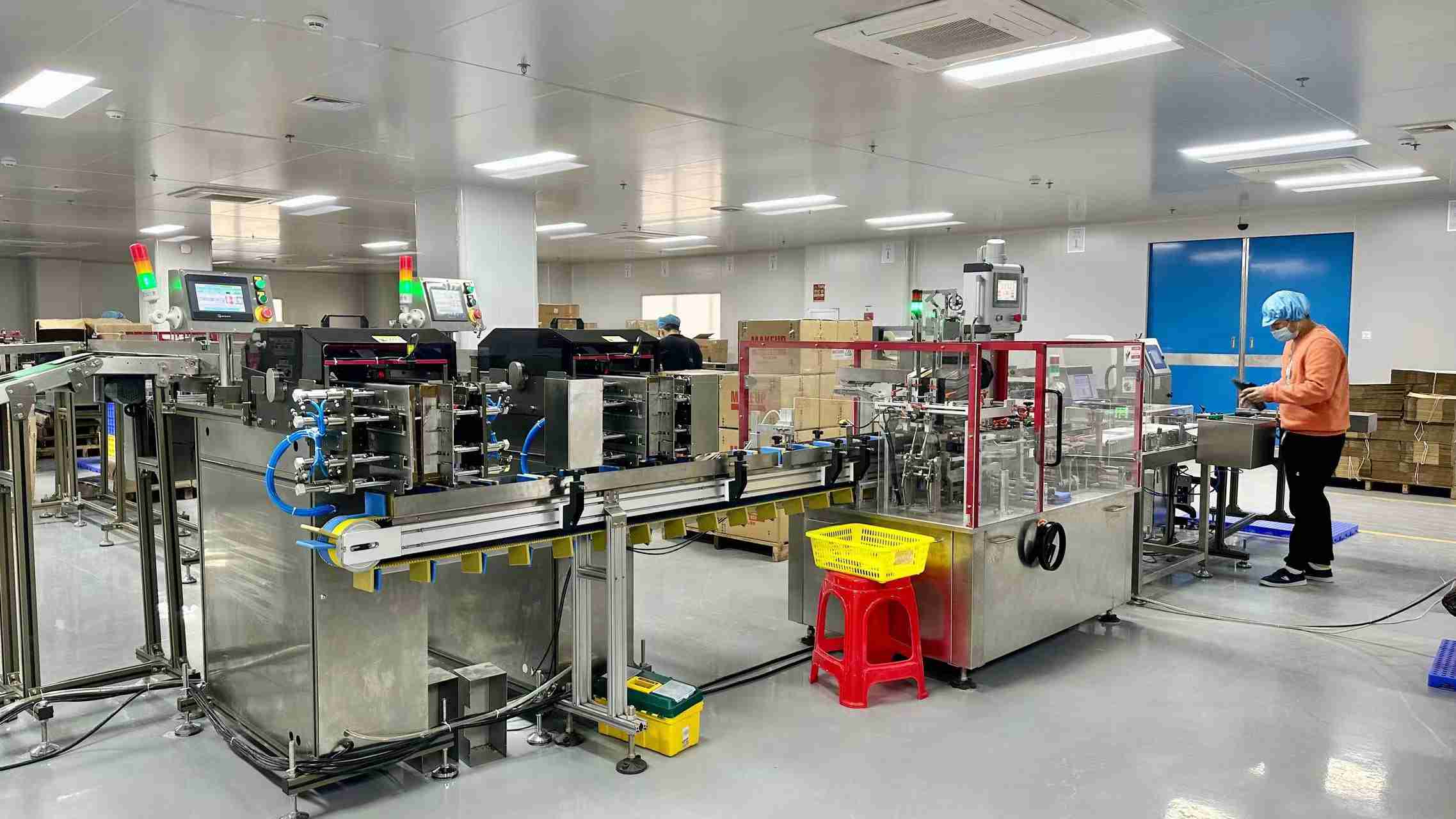
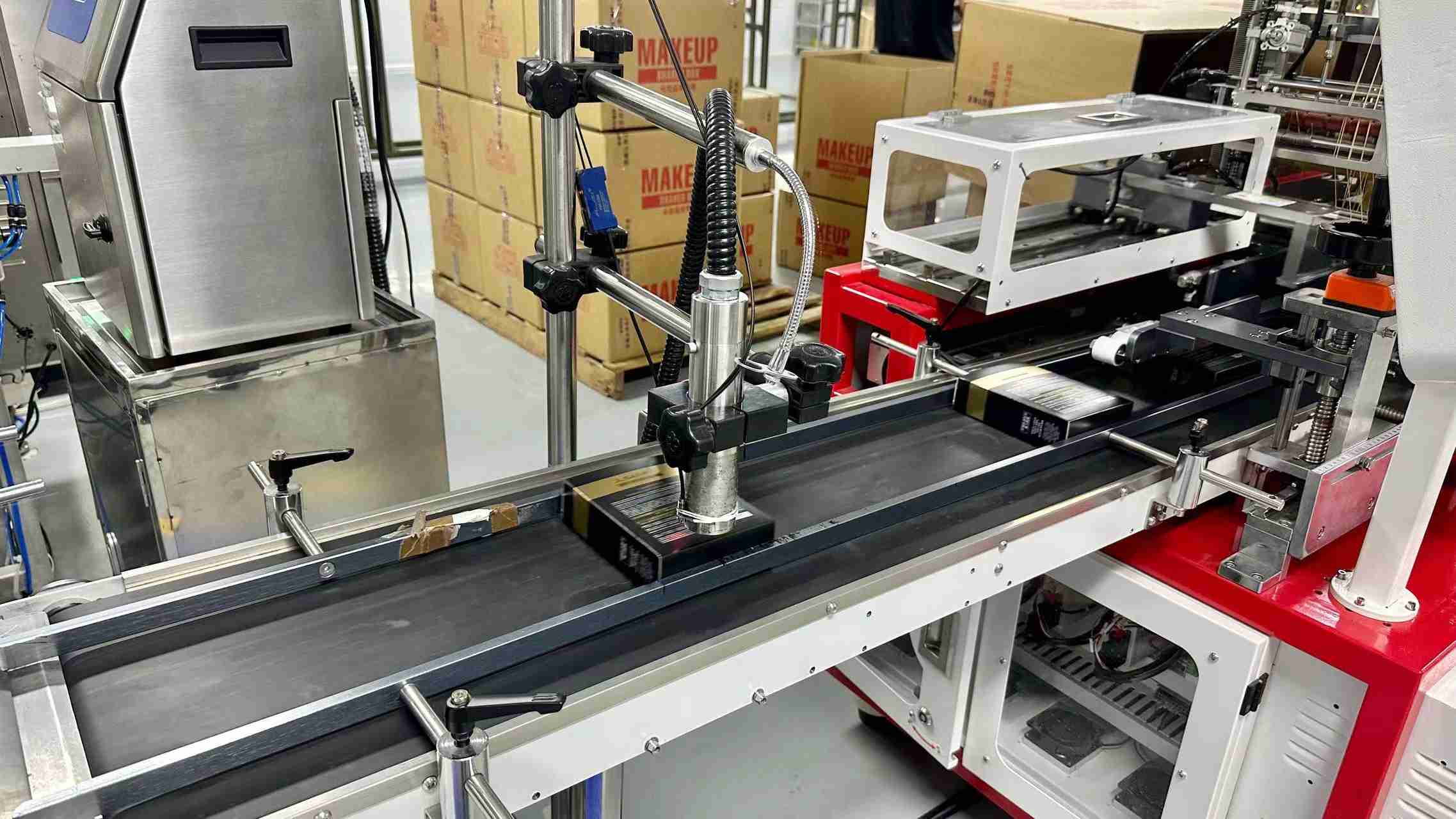
To prevent contamination, filling lines operate in cleanrooms under positive air pressure. Torque-monitoring machines secure caps to prevent leaks, while batch codes are laser-printed for traceabilty from manufacture to retail shelves.
Established in 2014, Bremma Beauty is a modern cosmetics manufacturer specializing in high-performance cosmetic formulas.
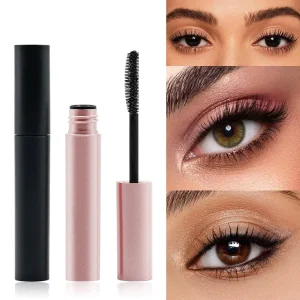
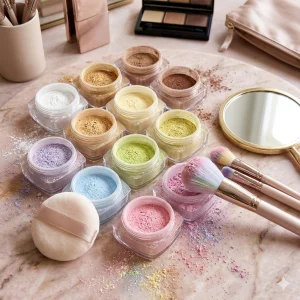
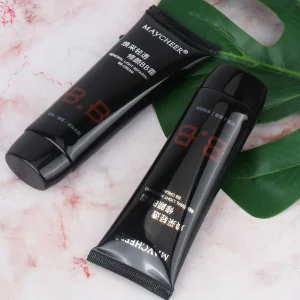
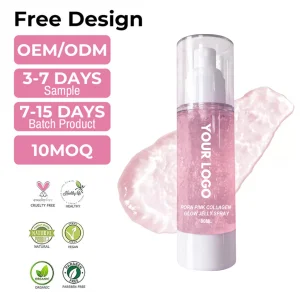
Zhejiang Bremma Beauty Co., Ltd. was established in 2014 and has rapidly grown into a modern, integrated cosmetics manufacturer. Utilizing state-of-the-art laboratory equipment and advanced production techniques imported from South Korea, Bremma specializes in designing, developing, and manufacturing high-quality makeup and personal care essentials. Fully compliant with FDA and GMPC standards, our catalog spans lip glosses, BB creams, setting sprays, loose powders, and specialized emulsion products like professional styling creams.
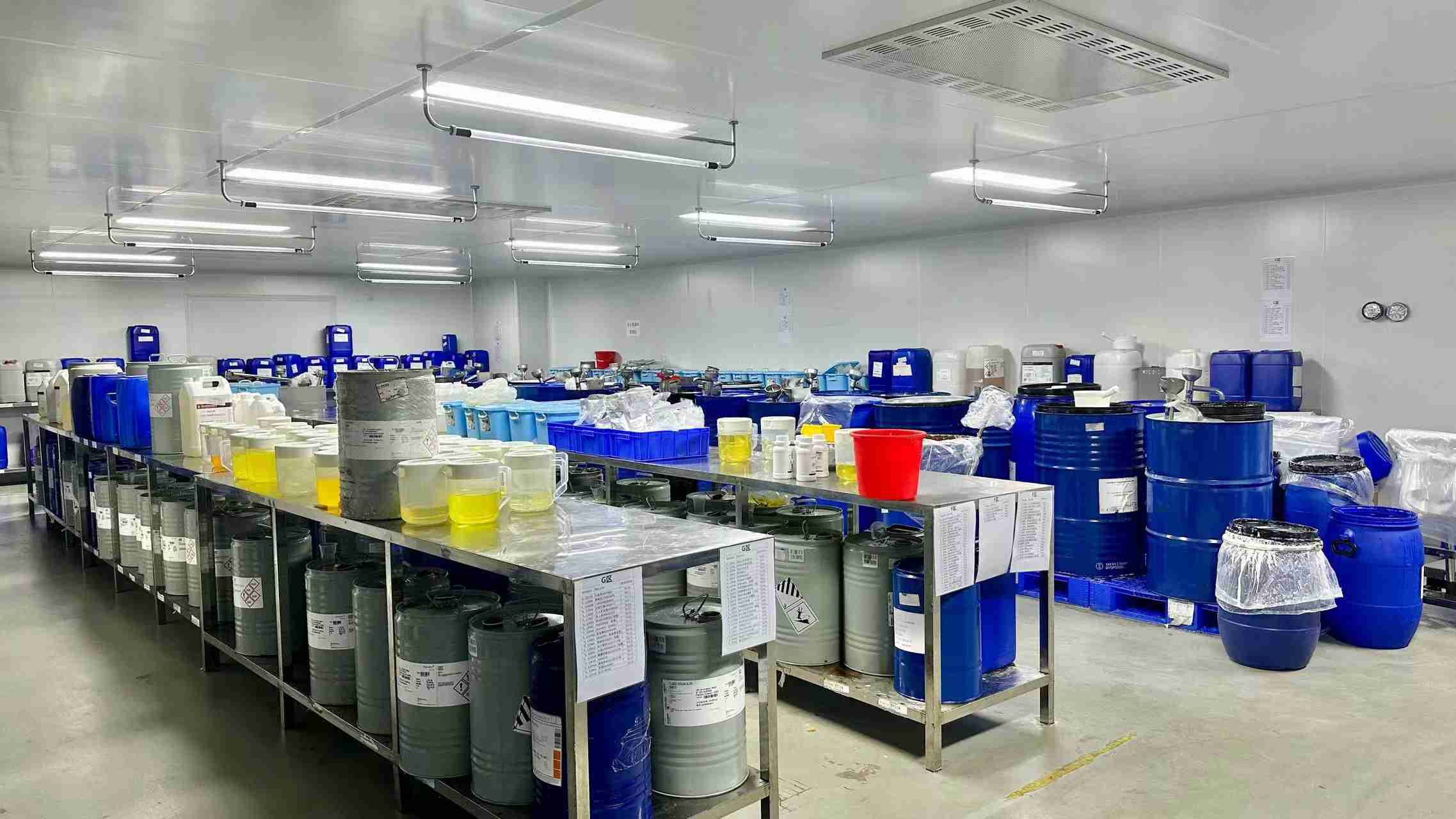
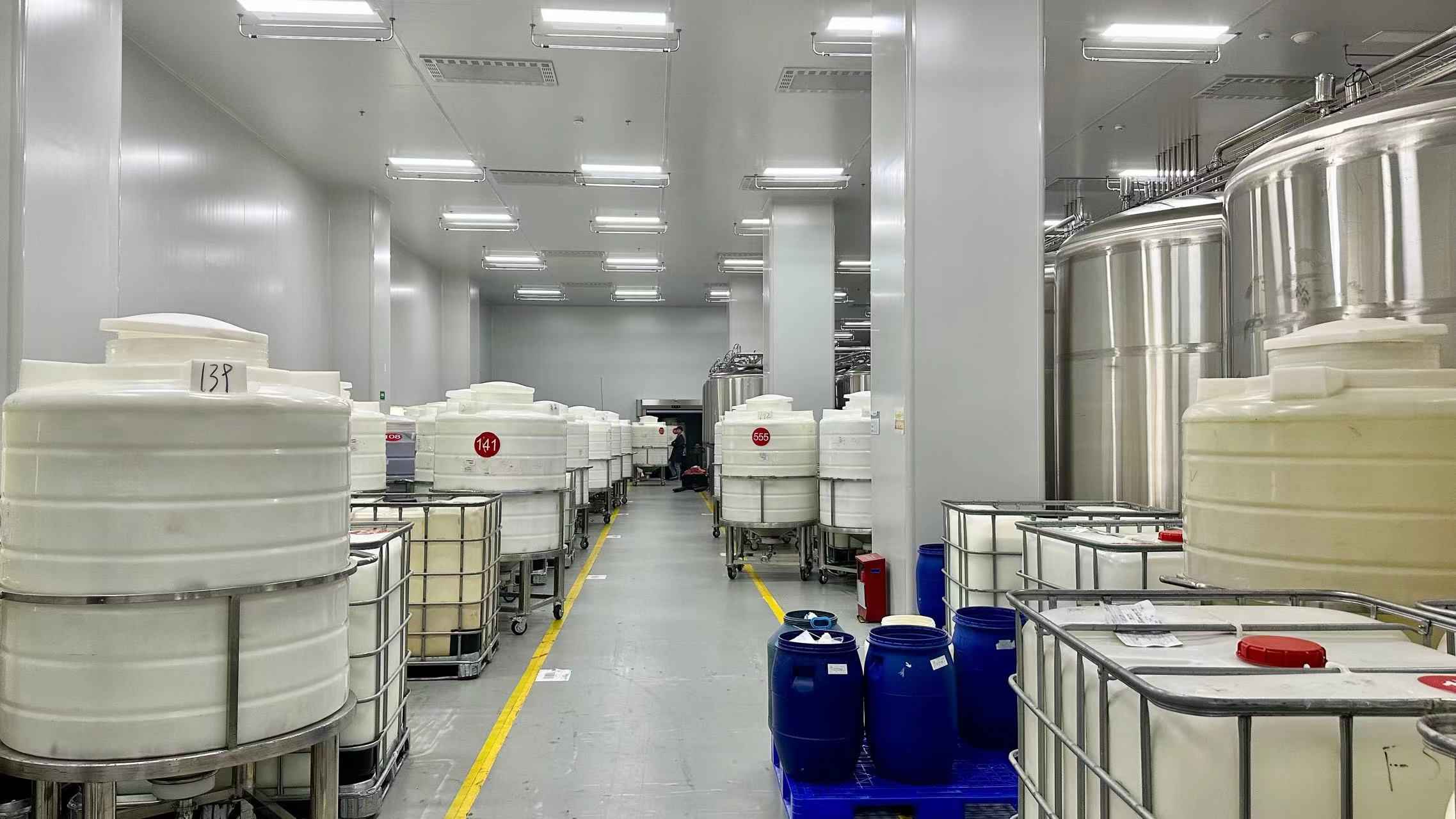
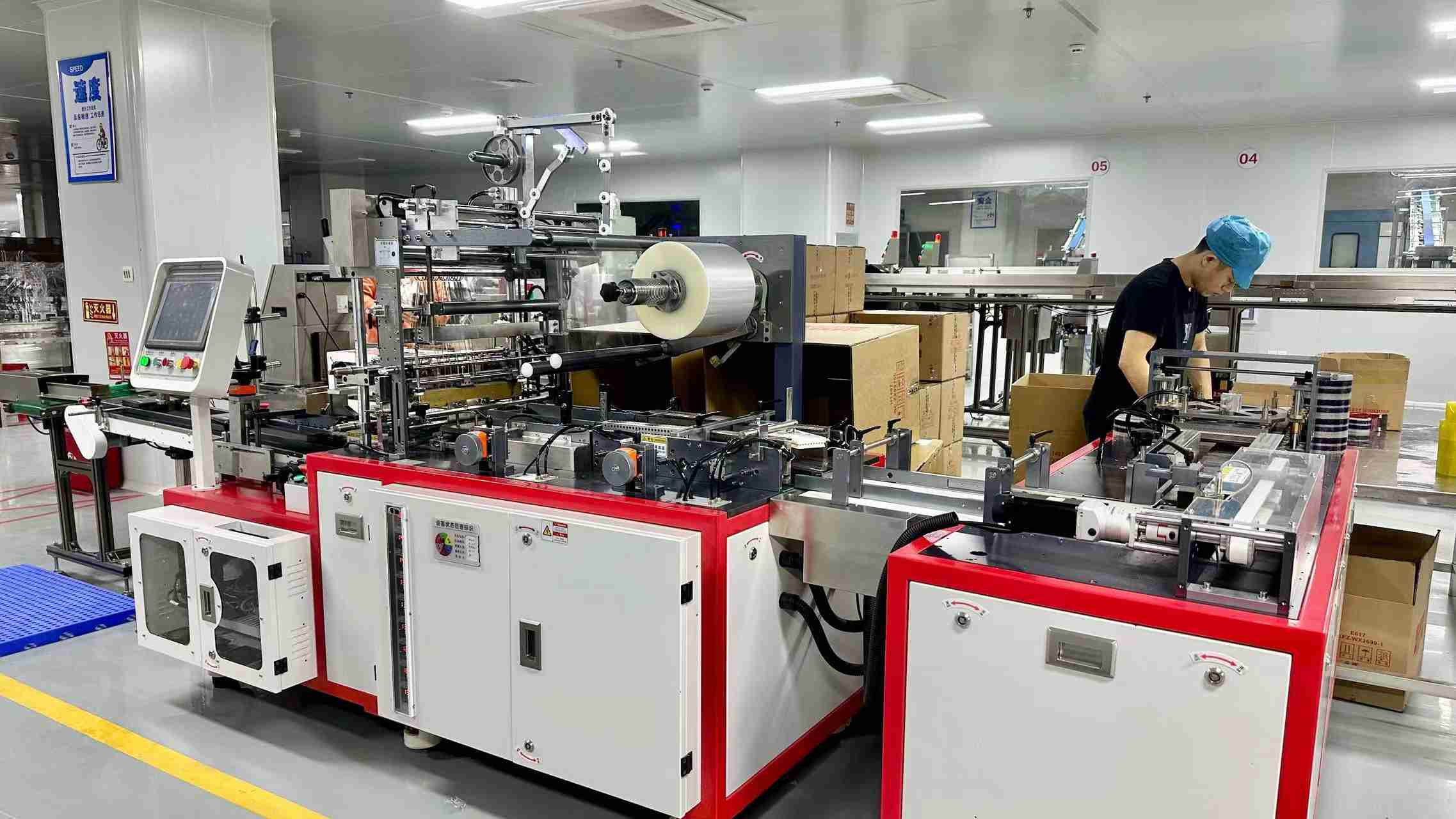
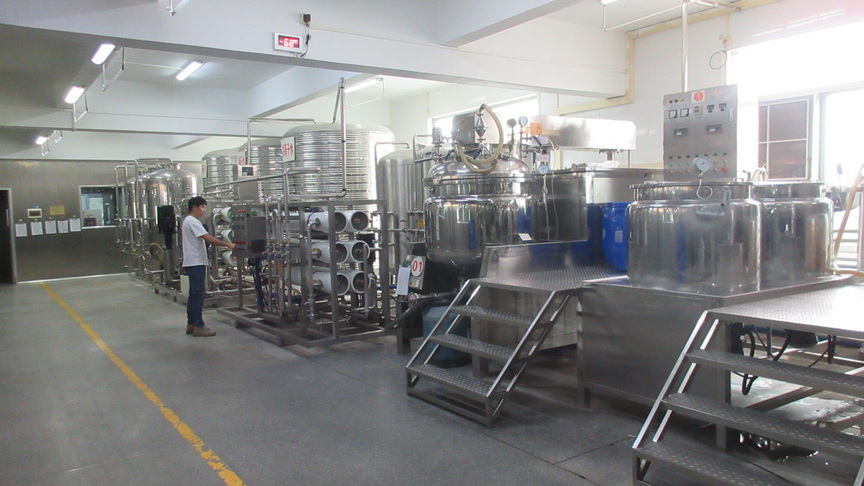
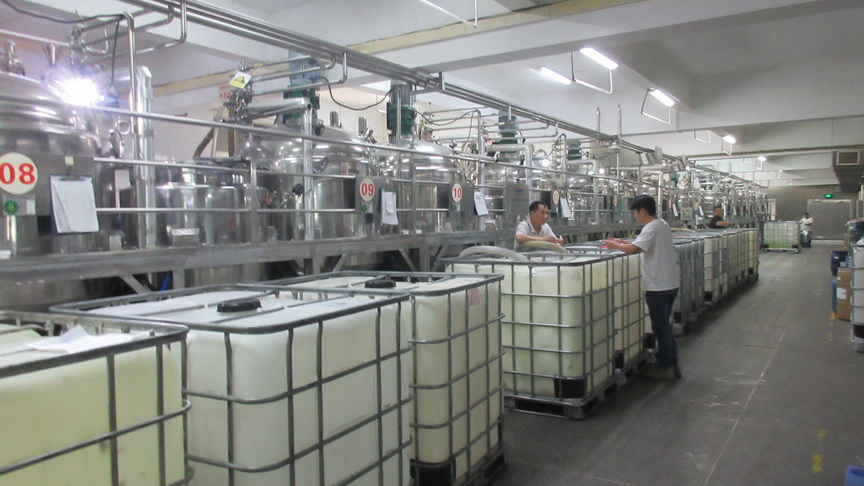
Our modern 2,000 square meter factory features high-efficiency grinding, mixing, and emulsification systems. Our facility is run by an experienced research and development team, ensuring that every product is tailored to meet global cosmetics regulations and market preferences. Bremma Beauty upholds the business principle: "Subsistence by Quality; Development by Science and Technology; Market Roots in Credit Standing." We support custom branding, private label formulation, and flexible OEM/ODM packaging to help cosmetic brands scale rapidly.
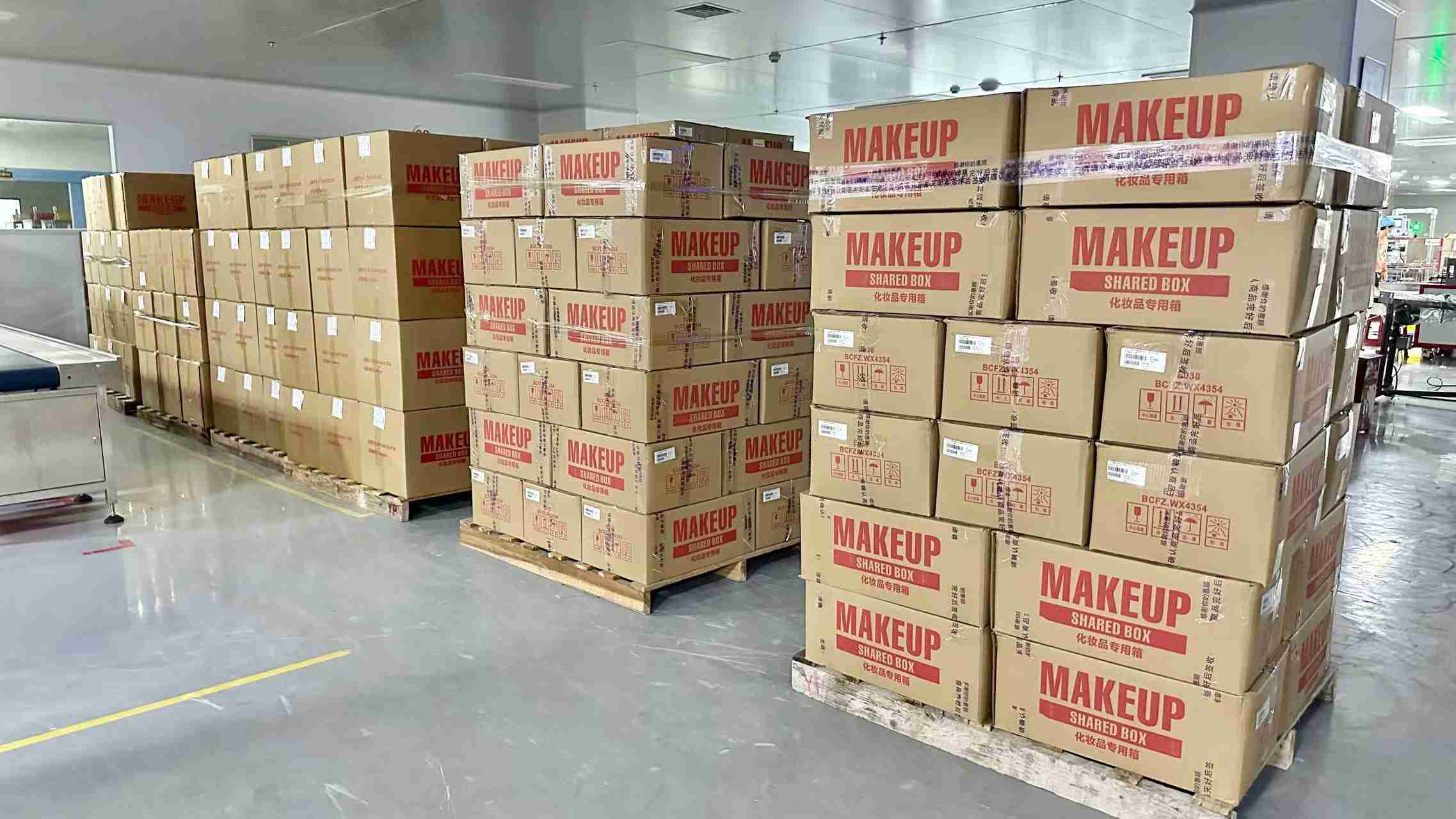
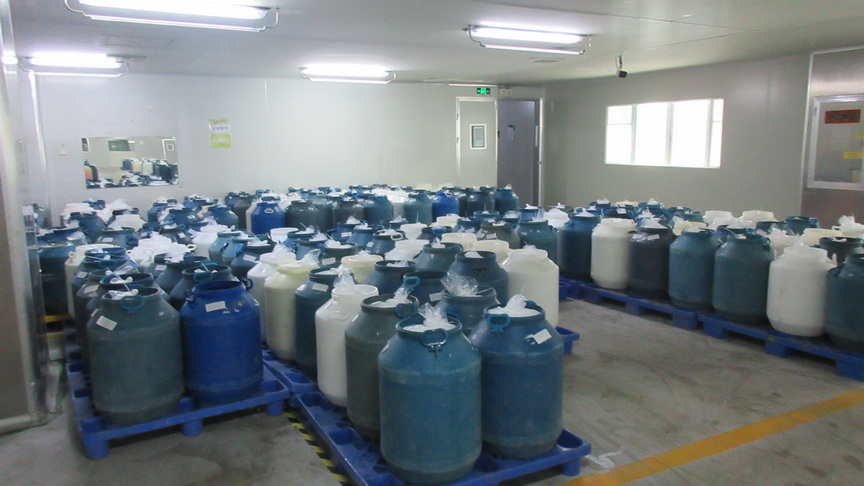
Take a look inside our cleanrooms and automated packaging lines, where raw materials are transformed into finished retail cosmetics.

Get answers to technical questions about formulation development, private label packaging, and export logistics.
Combine your styling cream imports with our high-demand private label makeup products to maximize logistics efficiency.
 Bremma Beauty