Why does my skin break out after using setting spray? The answer may involve more than one ingredient. A fine mist can leave a film across the face, especially over sunscreen, foundation, and facial oil. Fragrance, alcohol, preservatives, and film-forming polymers may irritate sensitive skin or trap sweat around pores. The result can look like tiny red bumps, whiteheads, or burning patches.
The American Academy of Dermatology reports that acne affects up to 50 million Americans each year, showing how common pore-related inflammation remains. The U.S. Food and Drug Administration also recognizes cosmetics as possible sources of irritation and allergic reactions. These facts do not prove that every setting spray causes acne. They do support closer label checking.
Dermatologist Dr. Hadley King has explained, “Makeup can cause acne if it contains ingredients that clog pores or if it is not removed properly.” That warning applies to setting products, too. Still, I would not blame the spray too quickly. A dirty nozzle, an old sponge, heavy skincare underneath, or rubbing the face can also contribute. Small details matter.
A practical test is simple. Stop the spray for one week. Keep the cleanser, moisturizer, and makeup routine unchanged. Photograph the cheeks and jawline in the same light. Then reintroduce the product cautiously, if the skin has settled. This is not a perfect experiment. Skin changes for many reasons. Persistent swelling, painful acne, or intense itching deserves professional medical advice, not another product test.
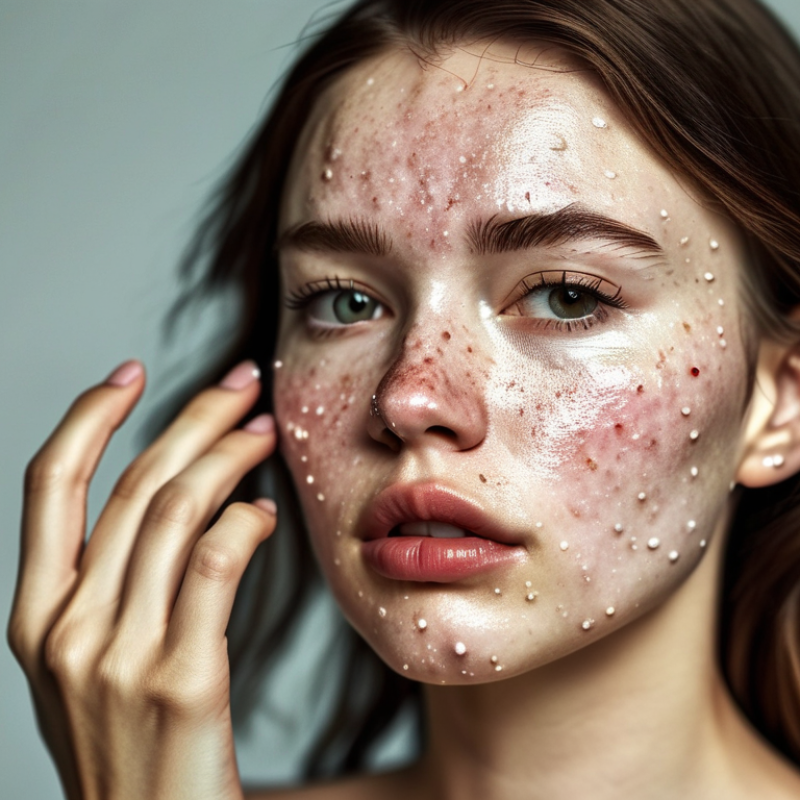
It usually leaves a thin film over makeup, helping pigments resist sweat, oil, and friction. That film can include water, alcohol, polymers, humectants, preservatives, or fragrance. Each ingredient meets your skin differently.
The spray may not “cause acne” directly. Instead, it can irritate the skin barrier or trap oil, sweat, and makeup around pores.
A burning sensation, tightness, or small itchy bumps may suggest irritation rather than clogged pores. Red, painful spots often deserve closer attention.
Spraying too near the face can also concentrate ingredients on one area. That detail is easy to miss.
Hold the bottle about 20–30 centimeters away, and avoid spraying broken or freshly exfoliated skin. Let the mist dry fully before touching your face.
Clean makeup tools regularly, since bacteria and old product can complicate the reaction. Patch testing along the jaw for several days is sensible, although it cannot predict every facial response.
Skin is inconsistent. Mine, yours, and even the same skin on different days may react differently.
and return to a simple routine with a gentle cleanser and non-comedogenic moisturizer. Reintroduce one product at a time.
Fragrance-free formulas may be easier for sensitive skin, but “gentle” is not a guarantee.
Persistent swelling, painful acne, or spreading rash should be assessed by a qualified dermatologist.
Why Does My Skin Break Out After Using Setting Spray?
A setting spray can leave makeup smooth, yet small bumps may appear hours later. The formula may be part of the problem. Fragrance and essential oils can irritate sensitive skin, causing redness, itching, or rough texture. Alcohol may create a tight, dry feeling and weaken the skin barrier for some people. That irritation can resemble acne, but it is not always a true breakout.
Certain film-forming ingredients help makeup stay in place. However, heavy layers may trap sweat, oil, and dead skin, especially around the forehead, nose, and jaw. Some rich emollients or oils may also feel congesting on acne-prone skin. “Non-comedogenic” is useful, but it is not a guarantee. Skin reactions differ. I have found that removing one product at a time makes the cause easier to identify, although this method requires patience.
Tips: Check the ingredient list for fragrance, essential oils, and drying alcohols. Patch-test the spray along your jaw for two days. Apply a light mist, not a wet coating. Clean the nozzle regularly, and never spray over unwashed skin. If bumps continue, stop using the product and choose a simpler formula. A dermatologist can help distinguish clogged pores from contact dermatitis, especially when burning or swelling appears. Keep notes. My own assumptions have been wrong before.
Why Does My Skin Break Out After Using Setting Spray?
A post-spray reaction is not always acne. Burning within minutes often suggests irritation from alcohol, fragrance, or drying film-formers. Itching, swelling, or tiny clustered bumps may indicate allergic contact dermatitis. Delayed pimples can also come from residue mixing with sweat and oil. The trigger may be the applicator, not the spray.
Timing matters. Note the exact symptoms, location, and delay after application. The North American Contact Dermatitis Group’s 2017–2018 surveillance found positive patch-test reactions in roughly two-thirds of tested patients. However, those were dermatology patients, not all cosmetic users. This distinction matters. Do not treat the number as your personal risk.
A practical investigation should change one variable at a time. Stop the spray until your skin settles, then review its ingredient list for fragrance, preservatives, and volatile alcohols. Wash reusable tools carefully, because old product can hold bacteria and oils. The American Academy of Dermatology recommends testing a cosmetic on a small area twice daily for seven to ten days. Still, a home test cannot replace medical patch testing. If redness spreads, eyelids swell, or reactions repeatedly return, consult a dermatologist. I would not assume “non-comedogenic” guarantees safety; formulas and skin responses vary, and labels cannot predict every allergy.
Why Does My Skin Break Out After Using Setting Spray?
Steps to Test Setting Spray Without Worsening Acne
Setting spray can trigger bumps when its fragrance, alcohol, or preservatives irritate your skin. It may also trap oil, sweat, and makeup around active acne. The cause is not always the spray itself. A dirty sponge, old foundation, or skipped cleansing step can confuse the test. Look for itching, burning, tiny uniform bumps, or deeper pimples. These signs can suggest irritation or congestion, but they are not a diagnosis.
Test one product at a time. Apply a small amount behind your ear or along your jawline on clean, dry skin. Wait 24 to 48 hours. This patch test is useful, but it is not perfect. Facial skin can react differently. If no reaction appears, use the spray on one cheek only. Keep the other cheek product-free for comparison. Take a photo in the same lighting that evening and the next morning. Stop if you notice swelling, persistent burning, or rapidly worsening acne. A dermatologist can help when reactions continue.
Tips: Use clean hands and freshly washed tools. Avoid testing during a major breakout. Do not add new skincare products that week. Remove makeup gently before bed. If your skin feels tight, rinse sooner. Check the ingredient list, especially if fragrance has bothered you before. My own testing rule would be stricter: change only one variable, even when the result seems obvious.
Steps to Test Setting Spray Without Worsening Acne
A cautious home-testing schedule is to test a small area first, monitor for delayed irritation, and extend observation before applying the product to the full face. The American Academy of Dermatology recommends testing a skin-care product on a small area twice daily for 7–10 days. Stop using the spray if you notice burning, itching, swelling, hives, or worsening breakouts.
Timing guidance: American Academy of Dermatology, “How to test skin care products.” These checkpoints are a safety-testing framework, not acne-prevalence statistics.
A setting spray can leave more than a smooth finish. It may trap sweat, oil, makeup, or fragrance against your skin. That mixture can clog pores or trigger irritation. Small red bumps, burning, itching, or rough patches may appear within hours or several days. The timing matters. It is tempting to assume every breakout is acne, but that assumption can be wrong. Irritant or allergic contact dermatitis may look surprisingly similar.
Stop using the spray when your skin stings, swells, flakes, or develops a spreading rash. Wash gently with lukewarm water, then use a simple, fragrance-free moisturizer. Avoid scrubs, acids, retinoids, and heavy makeup until the skin settles. Do not repeatedly “test” the product on an angry area. That can prolong inflammation. I would also review recent changes, including primer, cleanser, sunscreen, and brushes. The spray may not be the only trigger.
Seek dermatology advice if symptoms last beyond several days, keep returning, become painful, or leave dark marks. A dermatologist can examine the pattern and consider acne, folliculitis, or contact allergy. Bring the ingredient list and a clear photo of the reaction. Get urgent medical help for facial swelling, blistering, eye involvement, or breathing difficulty. Skin reactions are easy to underestimate. Even a product used once can cause trouble.
| Possible Cause or Reaction | Typical Skin Changes | When It May Appear | What to Do | When to Stop and Seek Dermatology Advice | Concern Level |
|---|---|---|---|---|---|
| Product-related pore congestion | Small flesh-colored bumps, whiteheads, or new pimples, especially in areas where the spray is applied repeatedly. | Often develops over several days to a few weeks of regular use. | Stop the spray temporarily, cleanse gently, avoid picking, and use non-comedogenic makeup and skincare products. | Consult a dermatologist if breakouts continue after stopping the product or become painful, widespread, or scarring. | Moderate |
| Irritant contact dermatitis | Burning, stinging, redness, dryness, tightness, or peeling shortly after application. | Minutes to several hours after use; symptoms may worsen with repeated exposure. | Stop using the spray, rinse with lukewarm water, and avoid other potentially irritating products until the skin settles. | Seek medical advice if symptoms are intense, persistent, spreading, or do not improve after product removal. | Moderate |
| Allergic contact dermatitis | Itchy redness, swelling, rash, scaling, or small fluid-filled blisters. | May occur within hours or may be delayed for one to several days after exposure. | Discontinue the product and avoid re-testing it on the face. Keep a record of the ingredient list for a clinician. | Arrange dermatology assessment, especially if the reaction recurs or the trigger is unclear. Patch testing may help identify an allergen. | High |
| Fragrance or preservative sensitivity | Itching, redness, burning, or an eczema-like rash, sometimes around the eyes, nose, or mouth. | Can appear quickly or after repeated exposure, even if the product was previously tolerated. | Stop using the spray and choose fragrance-free, simpler formulations after the skin has recovered. | See a dermatologist if the rash is recurrent, severe, or difficult to distinguish from acne or infection. | Moderate |
| Alcohol-related dryness or irritation | Dryness, flaking, tightness, increased sensitivity, or temporary redness. | Usually appears soon after application or after frequent use on dry or sensitive skin. | Pause the spray, use a bland moisturizer, and avoid combining it with other drying or exfoliating products. | Seek advice if cracking, painful inflammation, or persistent dermatitis develops. | Moderate |
| Spray inhalation or eye exposure | Eye watering, redness, coughing, throat irritation, wheezing, or shortness of breath. | Usually occurs during or immediately after spraying. | Move to fresh air, rinse exposed eyes with clean water, and avoid spraying near the face or in poorly ventilated spaces. | Get urgent medical help for breathing difficulty, facial swelling, severe eye pain, or vision changes. | Urgent if severe |
| Application over compromised skin | More stinging, redness, peeling, or worsening of existing acne, eczema, sunburn, or irritation. | Often immediate or shortly after application. | Do not apply setting spray to broken, sunburned, infected, or actively irritated skin. Focus on gentle skin care until healed. | Consult a dermatologist if the underlying condition worsens or does not improve with gentle care. | High |
| Acne flare with painful inflammation | Tender red bumps, pus-filled lesions, deep nodules, or cyst-like lumps. | May develop gradually after repeated use or alongside other pore-clogging products. | Stop suspected triggers, avoid squeezing lesions, and use a gentle cleanser. Introduce acne treatments only if tolerated. | Book a dermatology appointment if lesions are deep, painful, recurring, or leaving dark marks or scars. | High |
| Possible skin infection or severe inflammation | Rapidly spreading redness, warmth, increasing pain, pus, crusting, fever, or significant swelling. | Can worsen over hours to days. | Stop applying cosmetic products to the area and avoid picking or covering worsening symptoms with makeup. | Seek prompt medical care, particularly for fever, facial swelling, eye involvement, or rapidly spreading symptoms. | Urgent |
: Fragrance, essential oils, or drying alcohol may irritate sensitive skin. Heavy layers can also trap sweat, oil, and dead skin. The bumps may not be acne.
Burning within minutes often suggests irritation. Itching, swelling, or clustered bumps may suggest an allergic reaction. Delayed pimples may involve trapped residue. Timing matters.
Bumps often appear on the forehead, nose, or jaw. These areas collect sweat and oil easily. Eyelid swelling needs prompt medical attention.
Look for fragrance, essential oils, preservatives, and volatile alcohols. Rich oils may feel congesting for acne-prone skin. Labels cannot predict every reaction.
Test a small amount along your jaw. Repeat the test twice daily for seven to ten days. Stop immediately if burning, swelling, or itching appears.
Stop using the spray. Wash gently with lukewarm water and apply a simple, fragrance-free moisturizer. Avoid scrubs, acids, retinoids, and heavy makeup.
Yes. A dirty nozzle or reusable tool may hold old product, oil, and bacteria. Clean applicators carefully. I might wrongly blame the spray itself.
Seek advice when symptoms last several days, return repeatedly, become painful, or leave dark marks. Bring the ingredient list and a clear reaction photo.
Get urgent help for facial swelling, blistering, eye involvement, or breathing difficulty. Do not keep testing an angry area. That can worsen inflammation.
Wondering “why does my skin break out after using setting spray” often starts with understanding how the product interacts with your skin. Setting spray forms a lightweight film to help makeup last longer, but certain formulas may contain alcohol, fragrance, oils, silicones, or preservatives that can irritate sensitive skin or clog pores. Breakouts may also result from applying the spray over unclean skin, using too much product, or failing to remove makeup thoroughly.
To identify the cause, track when redness, bumps, itching, or pimples appear and compare the reaction with other products in your routine. Test the spray on a small area first, use a light amount, and keep the nozzle clean. Avoid spraying onto broken or inflamed skin, and stop use if symptoms worsen. If acne persists, becomes painful, or is accompanied by swelling or severe irritation, consult a dermatologist for personalized guidance.
