Setting the perfect under-eye look is a common goal for many makeup lovers. However, an all-too-familiar issue arises: "why is my setting powder creasing under my eyes?" This question is often raised by individuals from beginners to seasoned professionals. Renowned makeup artist Julia L. emphasizes, "Setting powder is a game-changer, but technique is key."
Creasing can be frustrating. Factors like the type of powder, skin texture, and the application process play critical roles. Many people don’t realize that not all powders work for every skin type. A translucent powder may set well for some, while others may need a more hydrating option.
Inadequate skin prep also contributes. Neglecting moisturizers or using heavy creams can create a recipe for disaster. The delicate skin beneath our eyes requires care and attention. It’s essential to experiment and find what suits your unique complexion to achieve that flawless finish.
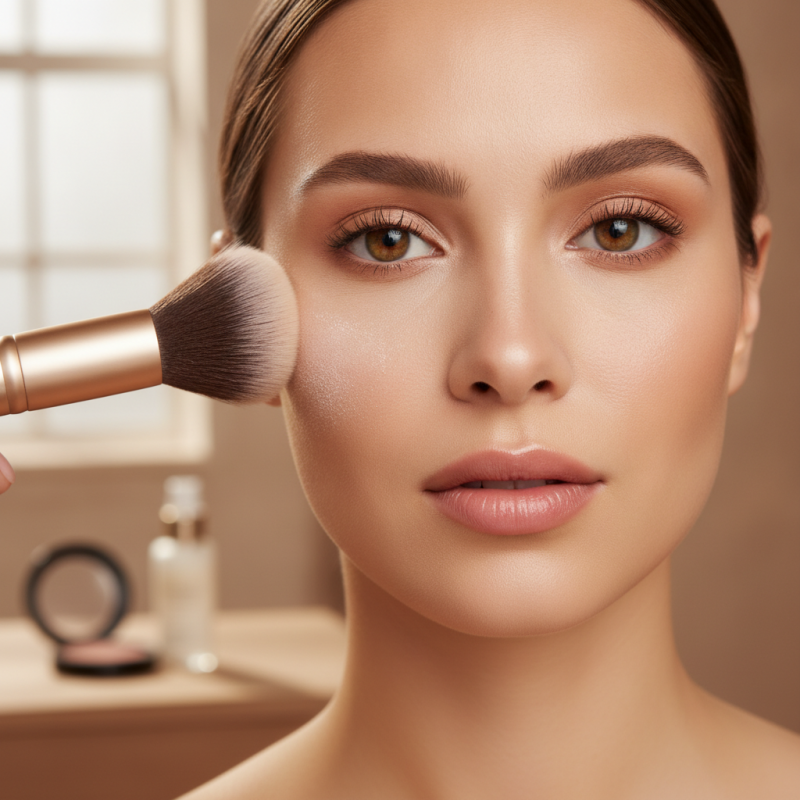
Setting powder is a crucial makeup step for many. However, creasing under the eyes is a common issue. Understanding why this happens can improve your makeup routine. A study showed that about 50% of makeup users experience some degree of creasing with setting powders.
One major reason for this creasing is skin texture. The under-eye area has delicate skin, often prone to dryness or fine lines. When setting powder is applied, it can settle into these lines. Additionally, the natural oils and moisture from your skin can cause the powder to break down. A report from the Cosmetic Science Society noted that factors like humidity can exacerbate this issue.
Tips for preventing creasing include prepping your under-eye area well. Hydration is key. Use a lightweight eye cream to maintain moisture. Focus on applying a minimal amount of setting powder. A light dusting can reduce caking. Lastly, consider using a damp makeup sponge for application. This can create a smoother finish. Remember, flawless makeup may need some trial and error to achieve.
Applying setting powder under the eyes can be tricky. Many make common mistakes that lead to
creasing. One major mistake is using too much product.
A heavy layer can settle into fine lines. Instead, a
light dusting works better. Use a small, fluffy brush to apply. This helps avoid excess powder and
allows for even coverage.
Another issue is not preparing the skin properly. Skipping moisturizer or eye cream can result in dryness.
Dry skin often leads to creasing. Ensure your under-eye area is well-hydrated.
Allow products to absorb fully before applying powder. Additionally, using the wrong formula can cause problems.
Choose a translucent setting powder designed for
delicate skin.
Consider the application technique, too. Patting instead of swiping can create a smoother finish.
Always blend well to avoid awkward lines. Rushing through this process often leads to mistakes. Remember, it’s a
learning curve.
Perfecting your technique takes time and practice.
Choosing the right setting powder for your skin type is crucial to avoid creasing under the eyes. Different skin types respond uniquely to various powders.
For oily skin, a matte setting powder can absorb excess oil. Look for lightweight formulas that won’t suffocate your skin.
Dry skin may benefit from finely milled powders that hydrate and illuminate.
Tips: Always test the powder on your skin before purchasing.
Apply a little on your wrist or neck in natural light. This helps you see how it interacts with your skin tone and texture. Remember, not all powders suit all skin types.
If you have combination skin, consider using a translucent powder. It can balance shine and dryness. Using a damp sponge for application can also help set the powder better.
This method prevents heavy buildup and creates a smoother finish.
Creasing can occur even with the right powder. Fine lines and dryness can play a role. Make sure to use an eye cream to prep your skin.
Sometimes, less is more. Avoid applying too much product, as it can emphasize creases.
Observe how each product performs over time, and make adjustments as needed.
Setting powder is a must-have for many makeup enthusiasts. However, it can lead to creasing under the eyes. This area is delicate and prone to movement. A good technique to prevent this is to ensure the skin is hydrated. A lightweight eye cream can help. Apply it gently before any makeup. Allow the product to soak in for a few minutes.
Another crucial tip is to use less powder. When setting the under-eye area, a small amount goes a long way. Over-applying can create a thick layer. This often leads to creasing as the day goes on. Instead, use a damp sponge to press the powder lightly. This technique sets the makeup while keeping it soft. Remember to blend well and avoid any harsh edges.
Pay attention to your application method. Using a brush can sometimes move the makeup underneath. A dab-and-set technique can work better. If creasing persists, consider your makeup routine. Reflect on the products used and how they interact. Sometimes, a different foundation can make all the difference. Find what works best for you. Each face is unique, and adjustments may be necessary.
Creasing under the eyes is a common issue faced by many makeup enthusiasts. This problem can stem from various factors, such as skin hydration levels and the type of powder used. According to a survey by the American Academy of Dermatology, over 60% of participants reported issues with makeup longevity in the under-eye area. This highlights the importance of understanding how to achieve a smooth finish.
To reduce creasing, start with proper hydration. Using an eye cream that contains hyaluronic acid can provide essential moisture to the delicate skin beneath the eyes. A study published in the Journal of Cosmetic Dermatology found that well-hydrated skin significantly reduces the appearance of fine lines, making makeup application easier and more effective.
Selecting the right setting powder is essential. Lightweight, finely-milled powders often work better than heavier formulations. A report from the Society of Cosmetic Chemists emphasizes that using a small amount of powder can help control shine without excessive build-up. Dab the powder lightly with a brush to avoid disturbing your foundation.
Keep in mind that natural skin oils can still cause creasing, even with the best techniques. Reflecting on your makeup routine can lead to breakthroughs. Experiment with different methods to discover what truly works for your unique skin type and texture.
| Practice | Description | Effectiveness Rating |
|---|---|---|
| Use a Hydrating Eye Cream | Apply a lightweight, hydrating eye cream before makeup to prevent dryness. | ★★★★☆ |
| Set with Fine Powder | Use a finely milled setting powder to avoid caking. | ★★★★★ |
| Minimal Product | Apply a small amount of powder; less is more to reduce creasing. | ★★★★☆ |
| Avoid Rubbing | Be gentle when applying and blending to minimize movement and creasing. | ★★★★☆ |
| Setting Spray | Finish your makeup with a setting spray to lock everything in place. | ★★★★★ |
: Creasing occurs due to fine lines and dryness in the delicate under-eye area.
Use a lightweight eye cream before makeup. Allow it to soak in for a few minutes.
A small amount is best. Over-application can lead to a thick layer and more creasing.
A damp sponge works better. It presses the powder down softly without disturbing makeup.
Yes, oily skin may need a matte powder, while dry skin benefits from finely milled powders.
Always test a little on your wrist or neck in natural light to see how it matches.
Reflect on your products and application. Consider changing your foundation or routine.
Yes, fine lines and dryness can still cause creasing, even with the best powders.
Apply less product and blend well to avoid harsh edges that emphasize dryness.
No, it often requires trial and error. Each person's skin reacts differently to products.
Understanding why is my setting powder creasing under my eyes is essential for achieving a flawless makeup look. Various factors contribute to this issue, including the formula of the setting powder, skin type, and application technique. Common mistakes such as using too much product or failing to prep the under-eye area properly can exacerbate creasing.
To combat this, it’s crucial to choose a setting powder that suits your specific skin type and to employ techniques that minimize creasing. Lightly tapping the powder with a damp sponge and using a fine mist to set your makeup can significantly enhance longevity and reduce the appearance of creases. By adhering to these best practices, you can enjoy a smooth and long-lasting under-eye makeup look.