Why Does Primer Go Before Concealer?

Time:2026-11-14 Author:Sophia
0%

When building a makeup routine, the usual order is primer first, then concealer. Primer goes onto clean, moisturized skin and can help create an even-feeling base for makeup. Concealer follows, so it can cover specific areas without being rubbed around as you apply primer afterward. It sounds simple. Real skin is less predictable.

If you have ever wondered “what goes first primer or concealer,” the practical answer is usually primer. Apply a thin layer, then give it a moment to settle before adding concealer with a brush, sponge, or clean fingertip. That pause matters. Too much product, or layers that do not work well together, may pill or look patchy. A small amount is often enough.

There are exceptions. If you use concealer only on a tiny spot, your preferred technique, skin texture, or product formula may change what looks best. Makeup advice can sound absolute, but it rarely fits every face. Try both orders on separate areas in daylight and compare the finish after a few minutes. Check how the concealer blends and whether it creases or shifts. The goal is not to follow a rule perfectly. It is to find a comfortable routine that gives you the coverage you want without adding unnecessary layers.
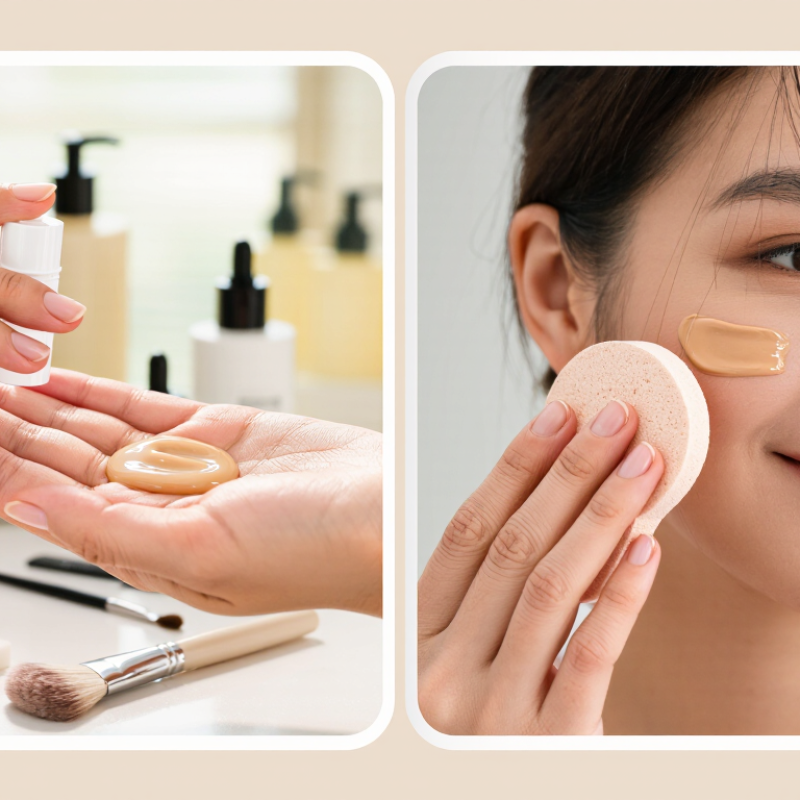
Why Does Primer Go Before Concealer?

Primer’s Role: Create a Smoother Base for Concealer Pigments

Primer sits beneath concealer because it can make the skin’s surface feel more even before pigment is applied. Some formulas use film-forming ingredients or emollients to soften the look of pores and dry patches, though results vary by product and skin. A thin layer may help concealer glide rather than catch on flaky edges. Let it settle briefly. Too much can make concealer slip or separate, especially over rich skincare. That part is easy to miss.

Circana’s 2023 U.S. prestige beauty report found makeup sales increased 15% that year. This signals a strong category, not proof that primer improves concealer performance. For a smoother finish, press a small amount of primer onto uneven areas, then tap concealer over them with a fingertip or sponge. Avoid rubbing; it can disturb the layer underneath. Dry skin may prefer a hydrating formula, while oily areas may feel better with a lighter one. There is no universal match. Test the combination on one cheek first, and check it in daylight; indoor lighting can hide texture.

Formula Compatibility: Check Water- and Silicone-Based Layers for Pilling

Why Does Primer Go Before Concealer?

Primer goes first because it creates a smoother surface for concealer to grip. But water-based and silicone-based labels do not tell the whole story. A water-based product may still contain silicones, and many formulas use film-forming polymers or emulsifiers. When layers resist blending, excess product, friction, or too little drying time can cause little rolls on the skin. Annoying, but not always a simple “water versus silicone” problem.

Cosmetics Europe’s 2023 market report estimates European cosmetics and personal-care sales at about €96 billion. That figure shows the scale of the sector, not the frequency of makeup pilling; the report does not measure that problem. For a practical check, compare ingredient lists and test the actual pair on your jawline. Apply thin layers, then wait until the primer feels set. Press concealer on gently instead of rubbing it across the surface. Even compatible formulas can pill when over-layered.

Tips: Try a pea-sized amount of primer and let it dry for 30–60 seconds. If small flakes still appear, test less product or switch one formula at a time. I sometimes blame the ingredients too quickly; application pressure may be the real culprit.

Application Order: Smooth Primer on First, Then Spot-Apply Concealer

Primer goes on before concealer because it creates a smoother surface for makeup. After moisturizer and sunscreen have settled, spread a thin layer of primer over clean, dry skin. Use fingertips or a sponge, and avoid applying a thick coat. Too much can feel slippery or cause makeup to pill. Give it a minute. The surface should feel comfortable, not wet or tacky. Primer can soften the look of pores, but it will not erase texture, and not every skin type needs it.

Once the primer has settled, spot-apply concealer only where coverage is needed, such as beside the nose, over a blemish, or beneath the eyes. Place a small dot, then tap its edges with a clean fingertip or sponge. Try not to drag the product; rubbing can disturb the layer underneath and leave patchy coverage. Less often works. If concealer slips, wait longer before applying it, or use less primer in that area. On dry skin, extra layers may emphasize flaky patches, so a little moisturizer and a lighter hand can help. I still find that some combinations separate, even when the order is right; skin prep and formula texture matter, too.

Why Does Primer Go Before Concealer?

Application order: smooth primer on first, then spot-apply concealer.

How to use this order: Apply primer first to prepare a smoother base. Let it settle, then dab concealer onto spots that need extra coverage. The bars show sequence, not measured product performance.

Layering Technique: Let Primer Set Before Building Coverage

Primer works best when it has a little time to settle before concealer goes on. Smooth a thin layer over clean, moisturized skin, then wait about 30 to 60 seconds. The surface should feel lightly grippy, not wet or slippery. Give it a minute. This pause helps reduce the chance that concealer will drag primer into streaks or form little rolls around the nose and mouth.

Build coverage in small amounts. Dot concealer where discoloration or shadows show, then tap with a fingertip or a clean brush instead of sweeping. A damp sponge can soften edges, but too much pressure may disturb the layer underneath. If the primer still feels tacky, wait a little longer; if it feels slick, you may have applied too much. Less can work. Formulas and skin types vary, so the timing is not exact. I would not treat the pause as a guarantee against creasing, either. Check the finish in natural light, and add another thin layer only where coverage is still needed.

Sun Protection: FDA SPF Testing Uses 2 mg/cm² of Sunscreen

Primer usually goes before concealer because it creates a smoother surface for makeup. But sunscreen belongs even closer to the skin. Apply it after moisturizer and before primer, then give it time to settle. Concealer can follow primer, especially where you want coverage without rubbing the sunscreen underneath. The layers matter, but the amount of sunscreen matters more.

For FDA SPF testing in the United States, sunscreen is applied at 2 milligrams per square centimeter of skin. That is a standardized test amount, and many people apply less in daily life. The difference can be easy to miss. A thin, hurried smear may not match the protection shown on the label. Use the product’s directions, cover exposed skin evenly, and reapply as directed. Around the nose, hairline, and ears, small gaps are common. Primer does not make an under-applied sunscreen adequate, and makeup with SPF should not automatically replace a properly applied sunscreen. I find the routine can feel like too many layers; still, taking a little care with coverage is more useful than perfect makeup order.

FAQS

Why does primer go before concealer?

Primer can create a smoother surface for concealer to grip. Apply a thin layer and let it settle.

Do water-based and silicone-based products always work differently together?

Not necessarily. A water-based formula may also contain silicones, polymers, or emulsifiers. Ingredient labels offer clues, but testing the actual pair is more useful.

How can I check whether two products work together?

Test them on your jawline. Apply a small amount of primer, let it dry, then gently tap on concealer.

How long should I wait before applying concealer?

About 30 to 60 seconds is a practical starting point. The primer should feel lightly grippy, not wet or slippery. Timing varies.

What causes little rolls or flakes under makeup?

Excess product, friction, or too little drying time can cause pilling. Formula incompatibility is not always the cause.

How should I apply concealer over primer?

Dot small amounts where shadows or discoloration appear, then tap with a fingertip or clean brush. Avoid sweeping or pressing too hard.

Where does sunscreen fit in the makeup routine?

Apply sunscreen after moisturizer and before primer. Give it time to settle, then apply primer and concealer without rubbing the lower layers.

How much sunscreen should I use, and can makeup with SPF replace it?

FDA SPF testing uses 2 milligrams per square centimeter of skin. Many people apply less, so cover exposed areas evenly and reapply as directed. Makeup with SPF should not automatically replace sunscreen. Small gaps happen.

Conclusion

Primer goes before concealer because it helps create a smoother, more even surface for concealer pigments to sit on. If you’re wondering what goes first primer or concealer, apply primer first in a thin layer, then use concealer only where extra coverage is needed. This order can help concealer blend more evenly and reduce the chance of disturbing the base while you work.

For a smoother result, let the primer set before adding concealer, and build coverage gradually rather than applying a thick layer at once. Check whether the products are water- or silicone-based: formulas that do not layer well together may pill or separate, so test them before applying makeup all over. If using sunscreen, apply it as directed beneath makeup and allow it to settle; FDA sunscreen testing uses an application amount of 2 mg per square centimeter, which is much more than many people apply in daily use.

Sophia

Sophia

Sophia is a dedicated marketing professional with an exceptional depth of knowledge about her company's products and services. With a keen understanding of market trends and customer needs, she crafts insightful blog posts that not only inform but also engage readers, enriching the company’s online......