How to Transition Daytime Makeup to a Night Look 2026?

Time:2026-10-03 Author:Ethan
0%

Transitioning makeup from a bright daytime face to polished evening beauty does not require starting over. The key is learning how to transition daytime makeup into a night look while protecting skin comfort and maintaining balance. Daylight often exposes texture, uneven blending, and excessive powder. Evening lighting can soften those details, but it may also make makeup appear flat or disappear in photographs.

A practical routine begins with a quick assessment. Check the T-zone, under-eye area, and lipstick edges in natural light. Press away oil with tissue instead of adding thick layers. Then refresh selected areas with a small amount of concealer or foundation. Avoid covering the entire face again. That can create heaviness. A cream blush, softly blended bronzer, or muted highlighter can restore dimension without disturbing the base. Use clean brushes and wash hands before touching the face, especially after a long workday.

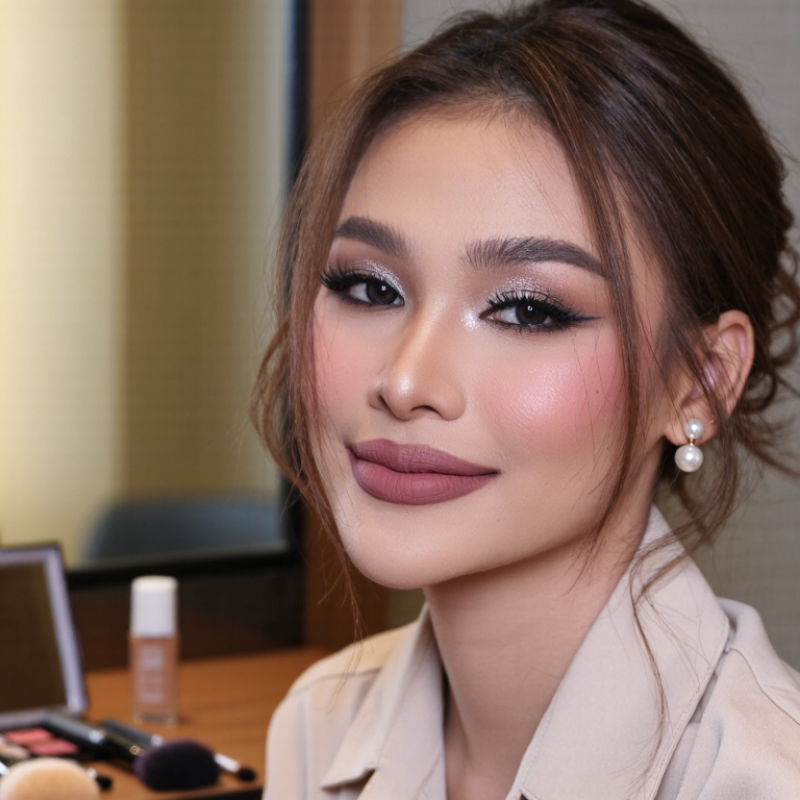
The eyes usually create the strongest evening change. Deepen the outer corner with brown, charcoal, or plum shadow, then add a narrow line along the lashes. Metallic shimmer can brighten the center of the lid, but it should be pressed on gently. Loose glitter may travel into the eyes. Be cautious. Curling the lashes and adding a fresh mascara coat can make the look feel intentional, not dramatic for its own sake.

I have learned that more product is not always more polished. Sometimes the first attempt looks uneven. Step back, inspect the face under warm and cool lighting, and remove excess rather than endlessly adding. This guide combines practical makeup experience, skin-conscious habits, and adaptable techniques for different complexions, textures, and personal styles.
How to Transition Daytime Makeup to a Night Look 2026?

Assess Day Makeup: Circana Reported 15% U.S. Prestige Makeup Growth in 2023

Day makeup does not need a complete restart after sunset. According to Circana, U.S. prestige makeup sales grew 15% in 2023. That figure signals stronger interest in elevated makeup routines. It does not prove that every consumer wants heavier coverage. A polished night look can still feel light, personal, and comfortable.

Start by pressing a clean tissue over the T-zone. Add a small amount of concealer only where redness or fading appears. Avoid covering the entire face again. This usually creates texture around the nose and cheeks. I have made that mistake often. Cream blush can be refreshed with a slightly deeper shade, placed higher on the cheekbones. Blend the edges with a damp sponge, not a dry brush.

For evening definition, sweep a neutral brown shadow through the crease. Then deepen the outer corner with short, controlled strokes. A soft pencil line along the upper lashes adds structure without demanding perfect precision. Curl the lashes again only if the product feels flexible. Finish with a richer lip color, or outline the existing shape and add balm. Check the makeup under warm indoor light. My bathroom mirror has fooled me more than once. What looks balanced there may appear overly bright at dinner. Carry a cotton swab and translucent powder for small corrections, not a full repair.

Build Nighttime Definition with Layering, Reflecting Mintel’s Finish-Driven Trends

Daylight makeup can become a nighttime look without a complete restart. The key is controlled layering, especially when the finish matters as much as the color. Mintel’s Global Beauty and Personal Care Trends 2025 report highlights rising interest in visible texture, sensory payoff, and expressive beauty. That shift supports a more reflective evening face.

Begin by pressing a thin layer of complexion product over the existing base. Add cream blush slightly higher on the cheekbones. Then tap a luminous balm onto the cheek tops, inner corners, and center of the eyelids. Keep the shine deliberate. Circana’s 2024 U.S. Beauty Industry Overview reported growth in prestige makeup sales, showing continued demand for polished, finish-focused results. Still, more product does not always create more definition. I often overbuild the glow, and the result looks flat under flash photography.

Tips: Use a clean fingertip to soften harsh edges. Layer powder only where makeup moves. Add a deeper neutral shade along the lash line, then blend upward with a small brush. For stronger evening contrast, repeat the same shade instead of introducing several colors. This creates depth while preserving the daytime structure. A reflective finish should catch light, not compete with it. Check the face near a window, then under warm indoor lighting. The difference can be surprising.

Intensify Eyes and Lips Using 2024 Circana Data on Makeup Rebound

How to Transition Daytime Makeup to a Night Look in 2026

Circana’s 2024 U.S. beauty reporting showed makeup sales rising again, after a slower period. That rebound reflects renewed interest in visible, expressive looks. A practical evening transition does not require a complete restart. It needs controlled intensity.

Keep the daytime base intact. Press a small amount of concealer around the nose, then add cream blush to restore warmth. For eyes, deepen the outer corner with a matte brown shadow. Smudge the same shade along the lower lash line. Add a satin highlight at the center of the lid. It catches light without looking overly polished. A thin second coat of mascara can change the expression quickly.

Lips deserve more attention at night. Remove excess balm, trace the natural lip line, and apply a deeper rose or berry shade. Blot once. Add another layer only to the center. Circana’s 2024 findings suggest consumers are returning to makeup as a form of personal expression, not merely correction. That supports bolder lips and stronger eye contrast.

Still, more color is not always better. I sometimes overbuild the outer eye and lose the softness that made the daytime look believable. Check the face under indoor lighting. Then soften one edge with a clean fingertip. The result should feel intentional, not engineered.

How to Transition Daytime Makeup to a Night Look in 2026: Intensify Eyes and Lips Using 2024 Circana Data on Makeup Rebound

A practical, data-led framework for converting a polished daytime look into a higher-impact evening look without removing the base.

Makeup Dimension Daytime Starting Point Night-Time Adjustment Recommended Intensity Application Method Typical Time Consumer Rationale
Complexion Finish Light to medium coverage with a natural or soft-matte finish. Keep the existing base, then add targeted concealer and a small amount of luminous product to the high points of the face. 20–30% more radiance Press product onto the cheekbones, bridge of the nose and inner corners rather than applying another full layer. 2 minutes A controlled finish preserves skin texture while making the look more visible in lower evening light.
Blush and Face Color One sheer layer of blush placed high on the cheeks. Layer a cream or liquid blush beneath a small amount of powder blush in a related tone. 1 additional layer Build color gradually from the center of the cheeks toward the temples and blend the edges. 1–2 minutes Layering increases longevity and color payoff without making the complexion appear heavy.
Brows Brushed-up brows with lightly filled gaps. Define the lower brow line and tail, then set the hairs with a stronger-hold gel. 10–15% more definition Use short, hair-like strokes and keep the front of the brow softer than the arch and tail. 1 minute More defined brows frame intensified eye makeup while maintaining a balanced appearance.
Eyeshadow Depth One neutral wash or a softly blended matte crease shade. Add a deeper shade to the outer corner and crease, then place a reflective shade on the center of the lid. 2–3 shade levels deeper Apply darker color in thin layers and keep the deepest point near the lash line and outer corner. 3 minutes Strategic depth creates dimension more efficiently than covering the entire lid with a dark shade.
Eyeliner Brown pencil or a thin line placed close to the upper lashes. Thicken the upper line, extend the outer corner slightly and add a soft lower-lash accent if desired. 1.5× line thickness Press liner between the lashes first, then smudge the edge before it sets for a softer evening effect. 2 minutes Defined lash lines increase eye contrast and remain adaptable across different eye shapes.
Mascara and Lashes One even coat focused on separation and length. Add a second coat to the outer lashes and reinforce the roots after the first coat becomes tacky. 2 coats maximum Concentrate product at the roots, then comb through the tips to reduce clumping. 1–2 minutes Additional volume supports the stronger eye look while avoiding unnecessary product removal or replacement.
Highlighter Subtle satin highlight on the cheekbones. Increase reflectivity on the cheekbones, inner corners and cupid’s bow, while avoiding textured areas. 2 targeted zones added Use a fingertip or small brush to place the product precisely instead of sweeping it across the whole face. 1 minute Localized shine photographs well and gives the evening look a deliberate finish.
Lip Color Tinted balm, sheer lipstick or neutral gloss. Blot the existing lip product, define the edges with liner and apply a medium-to-high pigment lip color. 2× color payoff Fill the lips lightly with liner before applying color to improve definition and wear time. 2 minutes A stronger lip is one of the fastest ways to signal an evening transition without changing the full face.
Lip Contrast Low-contrast shade close to the natural lip tone. Choose a shade approximately two to three tone levels deeper or brighter than the daytime color. 2–3 tone levels Use a matching or slightly deeper liner, then soften the inner edge with a brush. 1 minute Moderate contrast creates visible impact while keeping the result wearable for different evening settings.
Setting and Wear Light setting powder or a short mist application. Set only the areas prone to movement, then mist from a distance and allow the product to dry naturally. 2 targeted passes Press powder around the nose, inner cheeks and smile lines; avoid over-powdering luminous areas. 1 minute Targeted setting protects the transformation while preserving the skin-like finish associated with modern makeup routines.
Overall Transformation Soft definition, low-to-medium contrast and breathable complexion coverage. Prioritize two focal points: deeper eyes and a more defined lip, with selective face color and shine. 3–5 key changes Choose either eyes or lips as the dominant feature, then keep the supporting feature one intensity level lower. 10–15 minutes This approach reflects the makeup rebound: consumers can refresh and intensify existing products instead of rebuilding the entire look.

Data note: The market context is based on Circana’s 2024 U.S. beauty reporting, which indicated continued growth in prestige beauty and a rebound in makeup demand. Application timings, intensity ranges and transformation ratios are editorial planning benchmarks rather than consumer survey results. No company or brand-level data is included.

Refresh Base and Add Long-Wear Layers for Extended 2026 Wear

How to Transition Daytime Makeup to a Night Look in 2026

By evening, daytime makeup often looks softer, shinier, and slightly uneven. Do not cover everything immediately. Press a clean tissue over the forehead, nose, and chin. Then refresh dry areas with a light hydrating mist. Wait briefly. This prevents fresh layers from sliding.

Use a damp sponge to smooth the remaining base. Add a small amount of long-wear concealer under the eyes and around redness. Keep the layer thin. Heavy coverage can crack under warm indoor lighting. Set only the center of the face with finely milled powder. Leave the cheekbones natural for a healthier finish. Add cream blush first, then a small amount of powder blush for stronger evening wear. I still over-powder sometimes. It makes the skin look flat, especially in photographs.

Tips: Blot before layering. Build coverage slowly. Choose waterproof eye products for humid evenings. Press, never drag, around the eyes. Add deeper shadow close to the lash line, then soften its edges. A long-wear lip color performs better over smooth, lightly powdered lips. Keep a cotton swab nearby for small corrections. Finish with setting spray, holding it about twenty centimeters away. Test the result under warm and cool lighting, because makeup can appear different after sunset. A little texture is acceptable. Perfectly untouched makeup is rarely realistic after a full day.

Check Balance, Lighting, and Transfer Resistance Before Evening Plans

How to Transition Daytime Makeup to a Night Look 2026?

Daytime makeup rarely needs a complete restart before dinner. I check balance, lighting, and transfer resistance before adding intensity. Look at your face beside a window, then under warm indoor light. Cool daylight can hide redness, while yellow light can soften definition too much. A quick phone photo often reveals uneven blush or a disappearing lip line. It is not flattering, but it is useful.

Press a clean tissue over the nose, chin, and mouth. These areas usually collect oil and lose coverage first. Remove only the disturbed makeup, then apply thin layers. Add a little concealer around the nose, not across the whole face.

Deepen the outer eye with a small brush, and keep the inner corner lighter. This preserves balance when the room becomes dim. A stronger look is not always a better look.

Test transfer resistance before leaving. Touch your cheek gently, then check your collar and phone screen. If color moves, reduce the creamy layers and set the area lightly. I sometimes over-powder when rushing, which makes skin look flat under restaurant lights. That mistake taught me to leave some natural texture visible.

Recheck your lips after drinking water, especially if the evening includes conversation, food, or dancing. Keep a cotton swab and a small mirror nearby. Small repairs work better than adding more product.

FAQS

Does daytime makeup need a complete restart for evening plans?

No. Refresh the existing base instead. Press a clean tissue over the forehead, nose, and chin.

How can I reduce shine before adding more makeup?

Blot the T-zone gently. Add hydrating mist only to dry areas. Wait briefly before layering.

Where should I apply concealer during an evening refresh?

Apply a thin amount over redness, fading, and under-eye darkness. Avoid covering the entire face again.

How can I make cheek color look more evening-ready?

Place cream blush slightly higher on the cheekbones. Add a deeper shade carefully. Soften edges with a damp sponge.

What creates stronger eye definition without looking heavy?

Sweep neutral brown shadow through the crease. Deepen the outer corner with short strokes.A soft pencil line helps.

How can I add glow without making my face look flat?

Tap luminous balm onto the cheekbones, inner corners, and eyelid centers. Keep the shine deliberate.I often overbuild glow.

Should I use powder everywhere for longer wear?

No. Set only moving areas, especially the face center. Leave the cheekbones more natural.

How can I make evening makeup last longer?

Build coverage slowly. Use flexible, water-resistant eye products during humid evenings.Press around the eyes.

Why should I check makeup under different lighting?

Warm indoor light can exaggerate brightness. Cool daylight may hide uneven blending. Check near a window and indoors.Mirrors can mislead.

What small items should I carry for nighttime corrections?

Carry cotton swabs and translucent powder. Use them for small fixes, not a complete repair.

Conclusion

Learn how to transition daytime makeup into a night look by first assessing the condition and balance of your existing makeup. With prestige makeup growth in the U.S. reaching 15% in 2023, consumers are increasingly exploring flexible routines that move seamlessly from day to evening. Rather than removing everything, refresh the base where needed, soften visible shine, and layer products gradually to create a more defined, finish-focused appearance.

For nighttime definition, intensify the eyes with deeper tones, added liner, or subtle reflective accents, then strengthen the lips with a richer shade or a precise second layer. Refresh complexion coverage and apply long-wear layers to help makeup last through extended 2026 plans. Before heading out, check the overall balance in different lighting, ensure the eye and lip intensity complement each other, and test for transfer resistance. These simple adjustments create a polished evening look without requiring a complete makeup change.

Ethan

Ethan

Ethan is a seasoned marketing professional with a deep expertise in our company's innovative product line. With a passion for sharing knowledge and insights, he takes the lead in regularly updating our corporate blog, where he explores industry trends, product features, and effective marketing......