Top 10 Tips on How to Use Bronzer and Highlighter for Contouring?

Time:2026-08-24 Author:Sophia
0%

Mastering the art of contouring can elevate your makeup routine significantly. Understanding how to use bronzer and highlighter for contouring is essential for achieving a sculpted look. These products can enhance your features while providing a natural glow.

Bronzer adds warmth to your skin, while highlighter brings light to specific areas. Balancing these elements carefully can make all the difference. However, a common mistake is applying too much product. A little goes a long way, so start with a small amount and build as needed. Experimentation is key; your perfect combination may differ from others.

Finding the right shades that suit your skin tone is equally important. Test them in natural lighting to ensure they blend seamlessly. Remember, not everything works right the first time. Reflect on your application technique and make corrections where needed. Embrace the process; enhancing your beauty should be enjoyable!
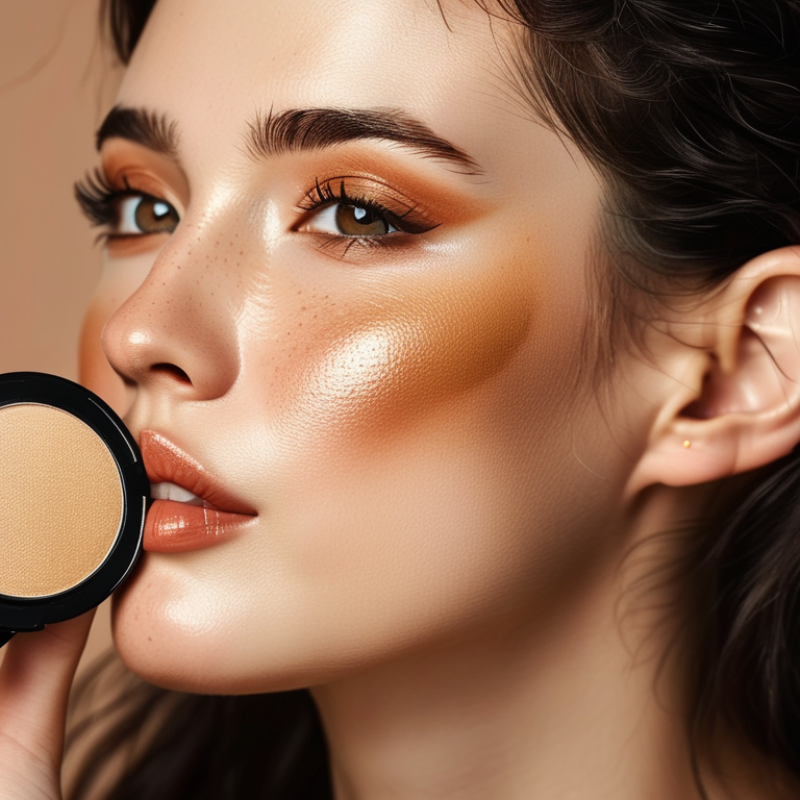
Top 10 Tips on How to Use Bronzer and Highlighter for Contouring?

Understanding the Basics of Bronzer and Highlighter in Makeup

Understanding bronzer and highlighter is essential for flawless contouring. Bronzer adds warmth and a sun-kissed look to your skin. It works by enhancing your natural complexion. Applying bronzer to the areas where the sun would naturally hit, like the forehead and cheekbones, creates dimension. It's important to choose the right shade that complements your skin tone.

Highlighter serves a different purpose. It elevates your features, giving them a luminous glow. Applying highlighter to the high points of your face, like the cheekbones and brow bones, helps to catch the light. However, overdoing it can lead to an unnatural shine. Striking the right balance is crucial to avoid looking overly shiny.

Finding the right tools takes time and experimentation. Brushes and sponges can yield different results. Practice makes perfect, but self-reflection is also necessary. You might find certain techniques don't work as well for you. Observing how makeup sits on your skin will guide improvement.

Choosing the Right Shades for Your Skin Tone

Choosing the right shades of bronzer and highlighter is vital for effective contouring. Your skin tone plays a significant role. For fair skin, opt for soft, muted shades. Peach and light pink highlighters work wonders. Avoid overly dark bronzers; they can look harsh. Light bronzers with a warm undertone will add a natural glow.

For medium skin tones, you have more flexibility. Richer bronzer shades, like terracotta or warm brown, enhance your complexion beautifully. When selecting highlighters, go for golden or bronze hues. These will complement your skin without appearing too stark. Test shades under natural light; artificial light can alter how colors appear.

Darker skin tones benefit from deep bronzers and vibrant highlighters. Look for shades that have a rich, chocolatey warmth. Rose gold or copper highlighters will bring out your features. You may find some products don’t show up well on your skin. It’s crucial to experiment to find what works best. Don’t hesitate to mix shades to achieve your perfect look.

Application Techniques for Effective Contouring

When it comes to contouring with bronzer and highlighter, application techniques play a crucial role. Start by selecting the right tools. A small, dense brush works wonders for bronzer application. Apply bronzer in the hollows of your cheeks, along the jawline, and on the sides of your nose. These areas will create natural shadows. Alternatively, you might find that using your fingers can provide a more blended effect, especially for those delicate areas.

For highlighter, choose a fan brush or a fingertip method. Apply it on the high points of your face such as the cheekbones, brow bones, and the bridge of your nose. Dabbing gently can give a soft glow. However, be careful: too much highlighter can lead to an unnatural shine that detracts from the overall look. It's essential to keep the glow subtle for a more polished appearance.

Being mindful of the products you use is vital. Experimentation is a part of the process. Sometimes, the wrong shade may clash with your skin tone, creating an ashy or overly reflective appearance. Test different lighting conditions before finalizing your look. It's okay if your first attempts don't turn out perfectly. Each try improves your understanding of your unique features and preferences.

Top 10 Tips on How to Use Bronzer and Highlighter for Contouring

Tip Number Application Technique Description
1 Choose the Right Shade Select a bronzer that is 1-2 shades darker than your skin tone.
2 Use a Light Hand Apply bronzer lightly to avoid harsh lines.
3 Brush Technique Use a fluffy brush for a blended application.
4 Apply Under the Cheekbones Enhance your cheekbones by applying bronzer underneath.
5 Highlight the High Points Use highlighter on the tops of cheekbones and brow bones.
6 Blending is Key Blend bronzer and highlighter seamlessly into the skin.
7 Use a Damp Sponge Apply highlighter with a damp sponge for a dewy finish.
8 Layering Technique Layer bronzer and highlighter for a multidimensional look.
9 Consider Your Face Shape Adapt bronzer placement based on your face shape.
10 Finish with Setting Spray Use a setting spray to lock in your makeup look.

Blending Tips for a Seamless Finish

Blending is key to a flawless look with bronzer and highlighter. No one wants harsh lines or uneven patches. Start by applying bronzer to your temples, cheekbones, and jawline. Use a soft brush or sponge for application. Blend gently in circular motions to create a natural shadow effect. This step is crucial for depth.

When it comes to highlighter, aim for the high points of your face. Apply it on your cheekbones, brow bones, and down the bridge of your nose. A damp makeup sponge can work wonders for blending. Press lightly to diffuse any excess product. You can’t rush this process; take your time to achieve a seamless transition.

Pay attention to lighting while blending. Natural light can help spot any missed areas or harsh spots. If you notice something odd, it’s okay. You can always add more bronzer or highlighter. Remember, makeup is an art that often requires adjustments. Be patient and willing to experiment.

Common Mistakes to Avoid When Using Bronzer and Highlighter

When using bronzer and highlighter, avoiding common mistakes is crucial for achieving a flawless look. One common pitfall is applying bronzer too heavily. This can result in an unnatural, muddy appearance. Instead, opt for a light hand and build up the product gradually. Always blend well, focusing on areas like the hairline and cheekbones. This helps create a soft transition and enhances the natural contours of your face.

Another frequent error is neglecting the highlighter. Many people forget to choose a shade that complements their skin tone. A highlighter that is too cool or too warm can look out of place. Testing shades before application is essential. Also, applying highlighter to the wrong areas can draw attention to imperfections. Areas like the nose tip or forehead should be approached with caution. Lightly apply instead of dousing these spots in product. Mistakes happen, and learning from them will enhance your technique over time.

FAQS

: What is the purpose of bronzer in makeup?

: Bronzer adds warmth and a sun-kissed appearance to your skin.

How should bronzer be applied for the best effect?

Apply bronzer to the forehead, cheekbones, and jawline for natural dimension.

What is the main function of highlighter?

Highlighter elevates features by providing a luminous glow on the face.

How can I avoid an unnatural shine with highlighter?

Keep highlighter application subtle and be careful not to overdo it.

What tools are best for applying bronzer and highlighter?

A small, dense brush works well for bronzer, while a fan brush suits highlighter.

How important is blending for a flawless makeup look?

Blending is crucial to avoid harsh lines and achieve a natural finish.

Can the wrong shade of bronzer or highlighter affect my look?

Yes, an incorrect shade can create an ashy or overly reflective appearance.

Is it okay if my makeup application doesn't turn out perfectly?

Absolutely! Practice and reflection improve your skills over time.

What should I consider when blending my makeup?

Pay attention to lighting; it helps you spot any harsh lines or missed areas.

How do different application techniques affect the results?

Techniques like using fingers or brushes can lead to varied blending effects.

Conclusion

In the quest to enhance your makeup skills, understanding how to use bronzer and highlighter for contouring is essential. The journey begins with grasping the basic principles of both products. Choosing the right shades that complement your skin tone is crucial for achieving a natural look. Next, mastering the application techniques is important; strategically applying bronzer in areas you want to recede and highlighter on areas you want to elevate can create depth and dimension.

Furthermore, blending is key to a seamless finish—ensure that the products meld together to avoid harsh lines. Lastly, be aware of common mistakes, such as using too much product or the wrong application tools, to ensure your contouring looks flawless. With these tips in mind, you can confidently enhance your features and achieve that coveted sculpted appearance.

Sophia

Sophia

Sophia is a dedicated marketing professional with an exceptional depth of knowledge about her company's products and services. With a keen understanding of market trends and customer needs, she crafts insightful blog posts that not only inform but also engage readers, enriching the company’s online......