Long-wearing lipstick does not have to mean tight, flaky lips. The key is balancing gentle preparation with thin, careful layers. If you are wondering how to make lipstick last all day without drying, start with comfort, not extra powder or repeated scrubbing. This guide explores practical steps, from smoothing away loose flakes to choosing a formula that feels wearable. Good prep matters.
A small amount of lip balm can soften dry patches, but excess may make color slip. Let balm settle, then blot gently with a tissue before applying lipstick. A matching liner can define the edges, while two thin coats often feel lighter than one thick coat. Blot between layers. Reapply after meals or drinks when needed; no lipstick stays perfect through every cup of coffee.
Formulas vary. Matte colors may last longer on some people, yet feel uncomfortable on others. Satin or creamy finishes can feel softer, though they may need more touch-ups. Pay attention to how your lips feel, and stop using a product that causes persistent irritation. Comfort counts. There is no perfect trick, and even careful application can fade unevenly. That is normal. The sections ahead offer realistic techniques, product-selection tips, and ways to refresh color without piling on dry layers.
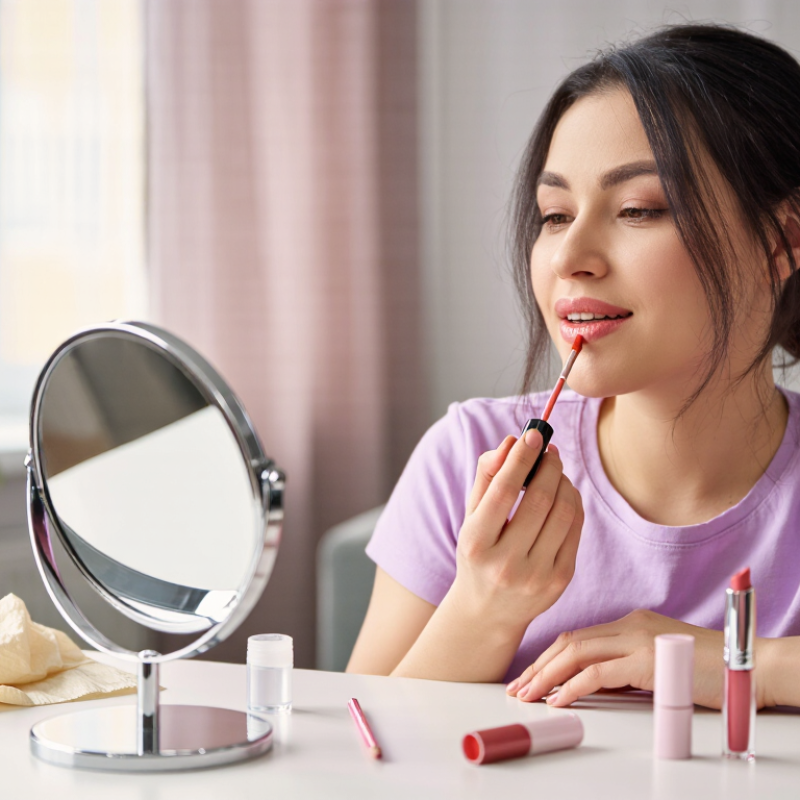
Long-wearing lipstick starts with a comfortable, even surface. If your lips feel flaky, soften them with a warm, damp washcloth for a few gentle passes. Skip gritty scrubs, especially when lips are cracked, sore, or irritated. More pressure does not mean smoother lips; it may leave them tender. Keep it gentle.
Apply a plain, fragrance-free lip balm and give it a few minutes to settle. Blot away any slippery excess with a tissue before applying lipstick. Too much balm underneath can make color slide, while skipping moisture may leave lips feeling tight. This small wait can feel fussy when you are rushing, but it helps create a more balanced base. Lipstick may still fade after eating or drinking, so comfort matters as much as staying power.
Tips: Exfoliate only when needed, not on a strict daily schedule. If lips sting, peel, or feel unusually dry, pause exfoliation and use balm instead. Don’t force the routine.
Choose a long-wear lipstick for its formula, not just its wear-time promise. Grand View Research estimated the global lipstick market at about US$9.3 billion in 2023. That figure reflects market value, not proof that long-wear formulas feel comfortable. Read the ingredient list and look for emollients, such as oils or butters, alongside film-forming ingredients that help color resist transfer. If your lips are sensitive, fragrance-free options may be easier to tolerate. The American Academy of Dermatology advises avoiding irritating lip products when lips are dry or chapped. Comfort matters.
Prep gently. Smooth away loose flakes with a damp cloth, then apply a thin layer of balm and let it settle before lipstick. Too much balm can make color slide. Apply a light coat, blot once with tissue, then add a second thin layer. I still sometimes blot too hard; it can leave color patchy. A pencil can define the edges, but filling the whole lip may feel heavier. Test a new formula for a few hours before relying on it all day. Reapply balm when needed, even if that means giving up a little wear time. A comfortable lip often looks better than a perfect, tight-looking finish.
Choose a long-wear lipstick that supports comfort, and use these suggested checkpoints as a flexible guide—not a guaranteed wear-time measure.
Start with clean, comfortable lips and apply a thin, even layer. Check how your lips feel during the day; touch up after meals or when needed. Remove lipstick gently at the end of the day.
For lipstick that lasts without feeling tight, start with smooth, comfortable lips—not a thick coat of balm. If balm feels slippery, press a tissue gently over your lips before applying color. Use a small brush or the lipstick edge to lay down a thin, even layer, including the corners. Less product helps. Blot once with tissue, then add a second light layer. Let it settle. A heavy first coat can collect in lip lines and wear away unevenly, especially after a drink.
Circana’s 2024 U.S. beauty sales report recorded a 5% rise in prestige makeup sales, a useful reminder that makeup remains part of many routines, though it does not measure lipstick wear time. For a more practical test, check the finish in daylight: patchy edges often mean the layer was too thick or the lips were not evenly prepared. Avoid scrubbing dry flakes; that can leave lips more irritated. The American Academy of Dermatology recommends protecting chapped lips with a non-irritating balm and SPF 30 or higher outdoors. Not perfectly. Even careful layering may fade after meals, and reapplying a thin coat is usually kinder than building up a thick one.
Long wear does not require a dry, tight finish. The lip surface has a weaker barrier than much of the surrounding skin, so repeated powdering can make fine flakes more visible. Start with smooth, dry lips: press a damp cloth against them, then apply a thin layer of plain balm. Give it a few minutes to settle. Blot once with tissue; do not scrub away the comfort layer.
Apply lipstick in two thin coats, pressing each coat gently into the lip with a fingertip or brush. Place one-ply tissue over your lips and tap a small amount of translucent powder through it. The tissue softens the powder load, helping set the color without leaving a chalky crust. Too much powder can still feel uncomfortable. I sometimes skip this step on already-chapped days; the color may fade sooner, but that trade-off is worth noticing. The American Academy of Dermatology recommends lip products with SPF 30 or higher outdoors and reapplication every two hours. (AAD, “How to Prevent and Treat Chapped Lips.”) Keep a balm nearby for touch-ups, and press it onto the inner lip sparingly so the color does not slide. Less pressure helps. Avoid licking your lips; saliva evaporates quickly and can leave them feeling drier.
| Step | When | What to Do | Why It Helps | Moisture-Saving Tip |
|---|---|---|---|---|
| 1. Smooth gently | Before makeup | If lips have loose flakes, soften them with a damp cloth and wipe gently. Skip scrubbing cracked or irritated lips. | A smoother surface helps color apply more evenly. | Avoid forceful exfoliation, which can irritate delicate lip skin. |
| 2. Apply lip balm | A few minutes before lipstick | Apply a thin layer of balm, then gently blot any excess before adding color. | Comfortable, lightly conditioned lips provide a better base than a slick layer of balm. | Use a fragrance-free balm if your lips are sensitive. |
| 3. Define the shape | Before lipstick | Trace the natural lip line with a lip pencil; lightly fill in the lips if desired. | A pencil base can help color wear more evenly and reduce visible fading at the edges. | Choose a comfortable pencil and avoid drawing on irritated skin. |
| 4. Apply a thin coat | First color layer | Apply lipstick in a thin, even layer rather than one thick coat. | Less excess product is likely to smear or transfer. | If long wear is a priority, a thin layer of a transfer-resistant formula may last longer, though it can feel drier. |
| 5. Blot and layer | After the first coat | Press a tissue lightly between the lips, then add a second thin coat if more color is needed. | Blotting removes some surface product; a second light layer builds color without a heavy feel. | Press gently rather than rubbing, which can disturb the color and irritate lips. |
| 6. Set selectively | After the final coat | For extra transfer control, place a single-ply tissue over the lips and lightly dust a small amount of translucent powder over it. | The tissue limits how much powder reaches the lips and can help reduce surface transfer. | Powder can make lips feel dry; use very little or skip this step if comfort is the priority. |
| 7. Refresh as needed | After meals or when color fades | Blot away any residue, then touch up the areas where color has worn off. | Eating, drinking, and ordinary contact can wear lipstick away; no method guarantees all-day wear. | Keep balm available and reapply it when lips feel tight or uncomfortable. |
A lipstick touch-up should replace lost color, not build a thick, tight layer. After lunch, press a tissue gently against your lips to lift oil and crumbs; rubbing can disturb the color around the edges. If your lips feel dry, tap on a little balm, wait a minute, then blot away the shine. Use a fingertip or lip brush to add lipstick to the center and feather it outward. Small amounts look fresher. They also feel less heavy.
Keep a mirror and tissue handy, but expect some fading after eating or drinking. That is normal. Circana reported that U.S. prestige beauty sales rose 14% in 2023, while McKinsey and Business of Fashion’s 2023 State of Fashion: Beauty report projected roughly 6% annual growth for the global beauty market through 2027. These reports track market activity, not lipstick wear time; they offer useful context, not proof that any touch-up method lasts longer. I still find that balm can make color slide if I apply too much. A thin layer and a patient pause work better for me. Skip scraping flakes mid-day; it can leave lips sore. Reapply gently, and let a little unevenness be acceptable.
Check for emollients, such as oils or butters, alongside ingredients that help color resist transfer. Fragrance-free formulas may suit sensitive lips better. Comfort matters.
Press a damp cloth gently against loose flakes. Apply a thin layer of balm and let it settle for a few minutes. Too much balm can make color slide.
Apply two thin coats instead of one heavy coat. Blot gently between layers. I sometimes blot too hard, and the color turns patchy.
Place one-ply tissue over your lips and tap a little translucent powder through it. The tissue reduces the powder load. Use less on chapped days.
Yes, when your lips need it. Press a small amount onto the inner lip to limit color movement. A little balm may shorten wear time.
Skip scrubbing and heavy powder. Use a thin layer of plain balm, then apply lipstick lightly. It may fade sooner. That trade-off can be worthwhile.
Choose a lip product with SPF 30 or higher. Reapply every two hours outdoors, and sooner if it wears off.
Usually not. Saliva evaporates quickly and may leave lips feeling drier. Keep balm nearby instead. Old habit, easy to repeat.
To learn how to make lipstick last all day without drying your lips, start with a smooth, comfortable base. Gently exfoliate away flaky skin without scrubbing too hard, then apply a light layer of moisturizer or lip balm. Give it a few minutes to absorb and blot away any excess so your lipstick can adhere evenly. Choose a long-wear formula that feels comfortable rather than tight, and apply it in thin, even layers. Blot gently between layers to help build lasting color without adding unnecessary thickness.
To set the color while keeping your lips comfortable, press a tissue lightly against them and use only a small amount of translucent setting powder over the tissue if needed. Avoid applying too much powder, which can leave lips feeling dry. Throughout the day, refresh the color with gentle touch-ups after eating or drinking. Add a little balm if your lips feel dry, then reapply a thin layer of lipstick instead of repeatedly layering product over uneven color.