When it comes to liquid lipsticks, many users find themselves asking, "why is my liquid lipstick peeling off?" Renowned makeup artist Monica Bell, who has over a decade of experience in the beauty industry, emphasizes that "the formula's compatibility with your skin type is crucial for durability." Peeling lipsticks can arise from various factors, including application techniques and product composition.
Using too much product can result in a heavy layer that simply doesn’t adhere well. On the other hand, failing to prep your lips can lead to dryness, increasing the chances of peeling. Bell notes that "exfoliation and hydration are key to a smooth lipstick application." By understanding these fundamentals, you can start to approach your lipstick use more intentionally.
In 2026, solutions for this common issue will likely focus on enhancing formulas and consumer education. Brands may develop more hydrating options and tutorials that resonate with users. As consumers, reflecting on our techniques and formulas will lead to better experiences. Keep these insights in mind, and you might just find an end to the peeling dilemma.
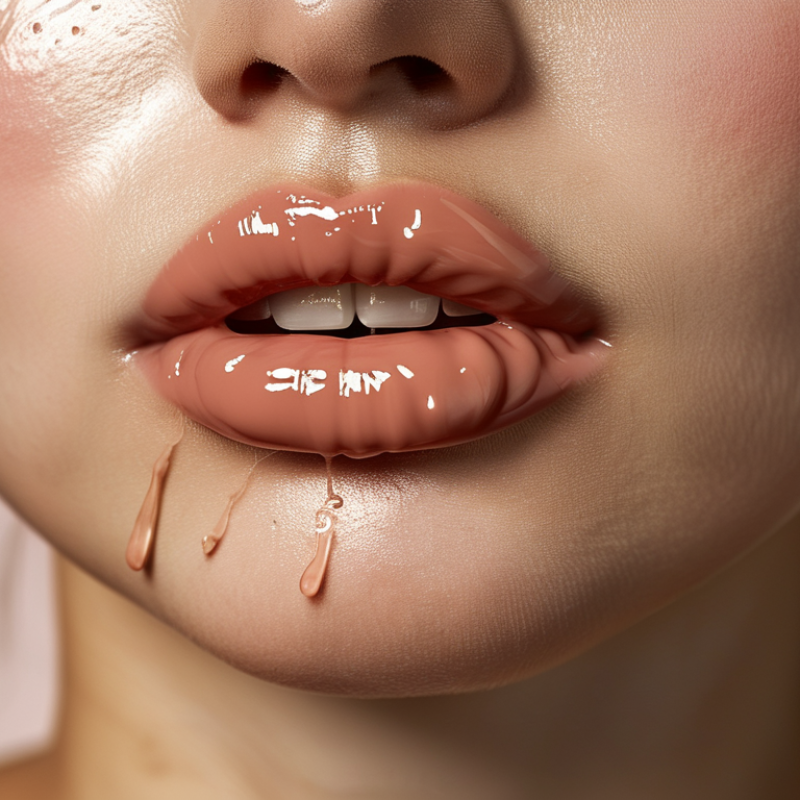
Liquid lipstick is a popular cosmetic choice, but many users experience peeling. Understanding the causes behind this issue can help improve the overall experience. One major factor is the formulation itself. Liquid lipsticks often contain high levels of pigments and waxes, creating a long-lasting finish. However, this can lead to dryness for some users. A report from the Cosmetics Global Market Insights notes that 40% of lipstick wearers experience issues with wearability due to formula composition.
Another aspect to consider is how the skin’s condition may influence wear. Dry or exfoliated lips can amplify the tendency for liquid lipstick to flake. Hydration is key. A survey conducted by the Dermatological Society found that 70% of respondents who regularly used lip care products experienced significantly better results with liquid lipstick. Maintaining moisture on the lips is crucial to enjoying enhanced adhesion and reduced peeling.
Lastly, application technique plays a vital role. Using a lip liner can help define the lips and increase longevity. Yet, some users apply too much product, which often results in a cracked effect. According to a study from the Beauty Application Institute, nearly 60% of liquid lipstick users apply more product than necessary, leading to a higher chance of peeling. Adjusting these habits may mitigate the peeling issue significantly.
When dealing with liquid lipstick that peels off, understanding formulation ingredients is crucial. Many products contain silicones, waxes, and oils. These components can sometimes lead to undesirable results. Silicones create a smooth finish but may cause the lipstick to slide or peel. Waxes offer stability, but they can become too thick or heavy.
Another common culprit is the presence of drying agents, such as alcohol. While they enhance longevity, they can also dry out the lips over time. This dryness may lead to peeling when the lipstick is applied. Oils are generally moisturizing, but certain types can disrupt the formula, making it less effective.
It is essential to examine the combination of these ingredients. An overly complex formula may interact poorly on the lips. While some liquid lipsticks boast extended wear, the reality may differ for many. The challenge lies in striking the right balance between longevity and comfort. Users should be aware that everyone's lip chemistry is unique. What works for one person might not work for another. Ensuring that the lipstick feels good while wearing it is key to avoiding peeling issues.
Environmental factors significantly affect the longevity of liquid lipsticks. Temperature fluctuations can change the formula's consistency. For instance, heat can cause ingredients to separate, leading to peeling or cracking on the lips. According to a 2022 report by the Cosmetics Ingredient Review, certain preservatives in liquid lipsticks can degrade more rapidly in higher temperatures. This is essential for consumers to consider when applying lip products in warm climates.
Additionally, humidity levels play a critical role. A study from the Journal of Cosmetic Science highlighted that liquid lipsticks in humid environments tend to adhere better. However, excessive moisture can lead to quicker drying out. This dual impact means that maintaining a balance is vital. The presence of oils and waxes in the formulation can mitigate some issues, but not all products respond well to humidity extremes.
Apart from environmental aspects, personal habits also contribute. For example, frequent sipping or eating can prematurely wear down lipstick, leading to patches. The experience of users varies widely, with some finding that their lip products fail to last through the day. Awareness of these factors can help users choose products more suited to their lifestyle and local conditions.
To achieve smooth, flawless lips, proper preparation is key. Start by exfoliating with a gentle lip scrub to remove dead skin. This process helps create an even canvas for liquid lipstick. Use a soft toothbrush to lightly buff your lips, encouraging circulation. Hydration matters too; keep your lips moisturized daily to prevent peeling.
Before applying lipstick, always apply a primer or a balm. This creates a barrier between your lips and the lipstick. It also helps the color adhere better. Choose a primer that is lightweight and full of nourishing ingredients. As the skin may not always feel perfectly hydrated, reapplying lip balm throughout the day is essential.
When it's time for application, use a precise brush rather than applying directly from the tube. This method allows for more control. Pay close attention to the corners of your lips. They tend to hold onto excess product and can contribute to peeling. If application feels off, step back and assess. Sometimes, the perfect lip look requires trial and error. Your lips should feel comfortable, not tight or flaky.
Consumer reviews and satisfaction rates reveal an increasing concern about liquid lipsticks peeling off. In 2026, many users express frustration with the performance of various lip products. Factors like skin type, application method, and product formula play significant roles. Some users notice that their lipsticks start to crack and flake within a few hours. This inconsistency prompts questions about formulation standards in the beauty industry.
To improve the wearing experience of liquid lipsticks, consider these tips. First, exfoliate your lips regularly. Dead skin can lead to uneven application and peeling. Second, layer a lip balm underneath. This creates a smoother base, allowing the product to adhere better. Users who follow these steps report happier experiences.
Additionally, selecting the right shade can impact longevity. Darker colors tend to show peeling more than nudes. Testing products before purchasing is essential. Reading reviews from others with similar lip types can provide valuable insights. Though hope for perfection exists, many find that personal adjustments lead to better results. Finding a product that works may take time and experimentation.
: Temperature changes can alter the formula, causing separation and leading to peeling on lips.
Humidity can improve adhesion but too much moisture may dry out the product quickly.
Eating or drinking often can wear down lipstick, leading to patches on your lips.
Exfoliate with a lip scrub to remove dead skin for a smoother application.
Keeping lips moisturized daily helps prevent peeling and ensures better lipstick wear.
Yes, a primer creates a barrier, helping lipstick adhere better and preventing dryness.
Using a precise brush allows for better control compared to applying straight from the tube.
Reapplying throughout the day is essential to maintain hydration and comfort.
Choose a lightweight primer with nourishing ingredients for the best results.
Step back and evaluate; sometimes it may take trial and error for the perfect look.
The article "Why is My Liquid Lipstick Peeling Off? Solutions for 2026" explores various factors contributing to the common issue of liquid lipstick peeling. It begins by understanding the causes, highlighting how formulation ingredients play a crucial role in the performance of lip products. Additionally, environmental factors such as humidity and temperature significantly impact the longevity of liquid lipsticks.
The article provides professional tips for prepping lips to prevent peeling, emphasizing the importance of hydration and exfoliation. By analyzing consumer reviews and satisfaction rates for lip products available in 2026, it offers insights into user experiences and preferences, helping readers find solutions to the vexing question of "why is my liquid lipstick peeling off." Overall, the article aims to equip readers with knowledge and strategies to enhance their lipstick experience.
