Dry, flaky lips often tempt people to scrub harder. That instinct can worsen tiny cracks, redness, and tenderness. Learning how to use a lip scrub properly means choosing gentle care over aggressive polishing.
Board-certified dermatologist Dr. Hadley King explains, “Exfoliation should be gentle and infrequent, especially on sensitive skin.” Her advice matters because lip skin is thin and lacks the protective oil found elsewhere on the face. A suitable scrub should contain fine, smooth particles, such as finely ground sugar. Avoid sharp grains, rough salt, and products with irritating fragrance. The texture should feel soft, not scratchy.
Start with clean, slightly damp lips. Apply a pea-sized amount using one fingertip. Massage in small circles for about ten seconds. Do not press hard. Rinse with lukewarm water, then pat dry with a soft towel. Follow immediately with a fragrance-free balm containing petrolatum, shea butter, or ceramides. Once or twice weekly is usually enough. Sometimes, less works better.
Never exfoliate bleeding, cracked, sunburned, or actively irritated lips. Stop if burning continues after rinsing. A scrub is not a treatment for persistent dryness, eczema, or infection. That distinction is easy to miss. In my experience, people often expect instant smoothness and repeat the process too soon. Healthy-looking lips need consistency, moisture, and patience. This guide will examine practical steps, product choices, warning signs, and the small habits that make lip exfoliation safer in 2026.
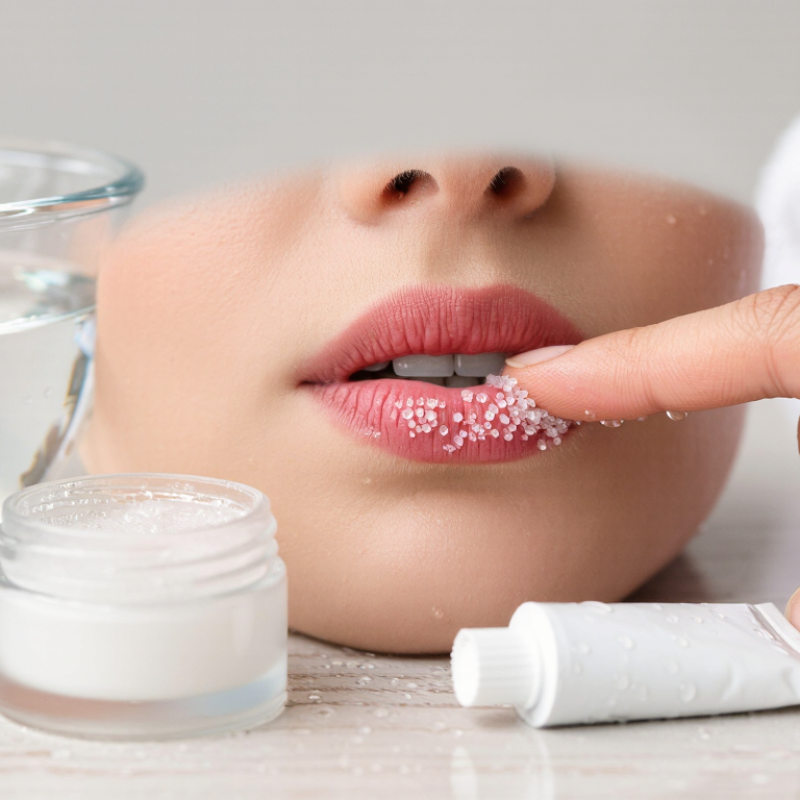
How to Use a Lip Scrub Properly in 2026?
What Lip Scrubbing Does and When It Is Appropriate
Lip scrubbing removes loose surface flakes through gentle physical exfoliation. It can make lips feel smoother before applying a moisturizing product. However, it does not repair deep dryness or rebuild the skin barrier. The American Academy of Dermatology Association recommends avoiding irritants when lips are dry, cracked, or inflamed. That advice matters more than a polished finish.
Use a small amount on clean, slightly damp lips. Massage with one fingertip for 10 to 20 seconds, then rinse with lukewarm water. Once weekly is usually enough. Stop immediately if you feel stinging, burning, or tightness. Do not scrub bleeding skin, cold sores, eczema flare-ups, or fresh sunburn. A fragrance-free balm containing petrolatum or mineral oil can reduce moisture loss afterward.
The global lip care products market was valued at approximately USD 2.4 billion in 2023, according to Grand View Research. That growth reflects strong consumer interest, not proof that scrubbing is necessary. DermNet NZ also notes that irritated lips may worsen when exposed to fragrances, flavors, and repeated licking. I used to view visible flakes as a problem needing instant removal. That assumption is incomplete. Sometimes the flakes are protection, not waste. If roughness continues for more than two weeks, a dermatologist should check for contact allergy, dermatitis, or another cause.
It removes loose flakes from the lip surface. Your lips may feel smoother. It does not repair deep dryness or rebuild the skin barrier.
Avoid scrubbing cuts, bleeding, cold sores, eczema flare-ups, or fresh sunburn. Do not exfoliate swollen or severely cracked lips. Moisture may be more helpful.
Start with clean, slightly damp lips. Use a pea-sized amount and one clean fingertip. Massage gently in small circles for 10 to 20 seconds. Very light pressure.
Once weekly is usually enough. Some people may tolerate twice weekly. Daily scrubbing can worsen dryness and tiny cracks. Less may work better.
Rinse with lukewarm water and use a soft, damp cloth. Pat your lips dry. Apply a fragrance-free balm containing petrolatum or mineral oil. Ointments can help seal in moisture overnight.
Avoid sharp particles and strong fragrances or flavors. Salt, sugar, and natural ingredients are not automatically gentle. Never use a harsh body scrub on your lips. Check the ingredient list carefully.
Stop immediately if you notice burning, stinging, swelling, or persistent redness. Do not continue because flakes remain. That approach can make irritation worse.
Not usually. Dryness lasting over two weeks may involve dermatitis, allergy, or another cause. Seek advice from a qualified healthcare professional. I once assumed more exfoliation would help. It did not.
Learning how to use a lip scrub properly can help remove loose, flaky skin and leave the lips feeling smoother, but exfoliation is not suitable for every situation. A lip scrub should be gentle, finely textured, and made with skin-friendly ingredients. Avoid using one on cracked, bleeding, sunburned, irritated, or infected lips, since scrubbing may worsen discomfort. Before exfoliating, cleanse the lips, remove makeup, and soften the surface with a small amount of lukewarm water or a moisturizing balm.
Apply a small amount of scrub with clean fingers, then massage it over the lips using light, circular movements for only a few seconds. Do not press hard or scrub the delicate skin around the mouth. Rinse or wipe away the product gently and immediately apply a nourishing, fragrance-free lip moisturizer. Most people only need exfoliation once a week, while sensitive lips may require less frequent use. Stop if burning, swelling, or persistent redness occurs, and keep the product clean and tightly closed between uses.

 Bremma Beauty