Foundation is a crucial part of makeup routines. However, many people struggle with the frustrating issue of cakiness and dryness. You might wonder, "why does my foundation look cakey and dry?" This common concern can stem from various factors. Understanding these causes can help you find effective solutions.
One reason is skin texture. Dry skin can exacerbate the appearance of foundation, making it cling to dry patches. The wrong foundation formula can also contribute to this issue. Heavy products often settle into fine lines. Additionally, makeup application techniques play a significant role. Using the wrong tools or not blending well can leave you with an uneven finish.
Environmental factors cannot be ignored. Changes in humidity and temperature can affect how your foundation wears throughout the day. You may need to adjust your products according to the season. Learning to identify these problems is vital. It might require trial and error, but this self-reflection is key to achieving a smooth, flawless look.
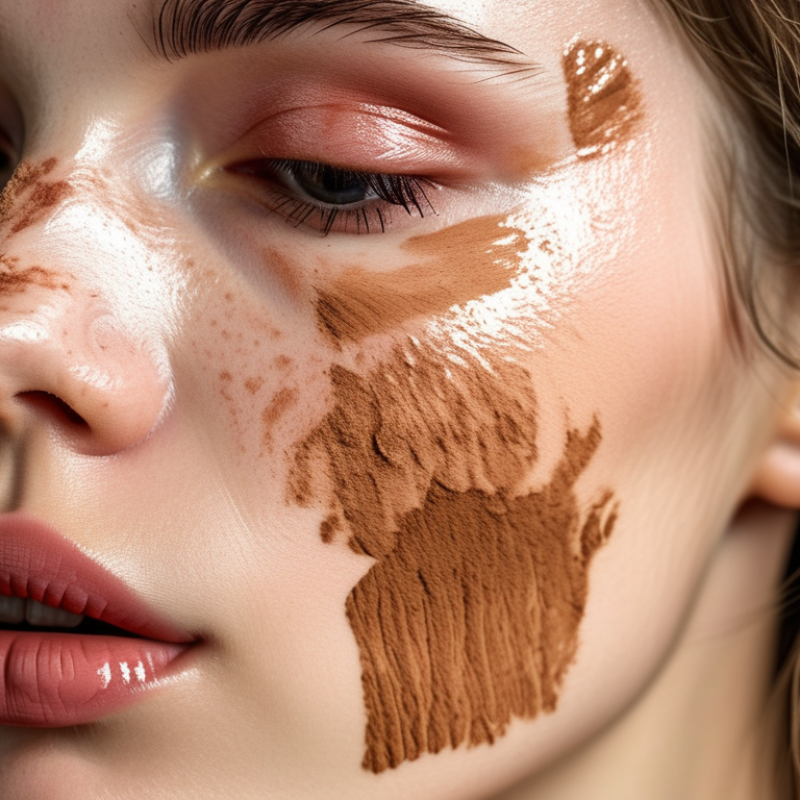
Cakey and dry foundation can ruin a flawless look. Understanding why this happens is crucial. A recent study by the Cosmetic Dermatology Journal highlighted that nearly 70% of women experience these issues at some point. The main causes often stem from skin type and environmental factors.
Skin that is dehydrated or overly oily can create complications. When skin lacks moisture, foundation can cling unevenly. It’s essential to maintain a proper skincare routine. Regular exfoliation helps remove dead skin cells, allowing foundation to apply smoothly. Additionally, using a good moisturizer can significantly improve the application.
Environmental factors like humidity also play a role. When air is too dry, makeup can absorb moisture from the skin, leading to that dreaded cakey finish. According to industry reports, appropriate primers can help in such conditions. Adjusting foundation formulas according to the season is crucial. Finally, remember that not every product suits everyone. Observing your own experience and making small changes can yield better results.
Identifying your skin type is crucial for a flawless foundation application. Oily skin may lead to a shiny, cakey finish if you choose the wrong formula. Dry skin, on the other hand, can absorb the foundation unevenly, enhancing dryness. Knowing your skin type helps in selecting the right products. It also aids in determining the ideal application techniques.
For oily skin, using mattifying primers and setting powders can help. They absorb excess oil, keeping your makeup intact. But remember, too much product can make your skin look heavy and fake. For dry skin, hydration is key. Moisturize well before applying foundation. Lightweight formulas work best for a natural finish. However, if applied too thickly, even the best formulas can appear patchy, making your skin’s texture more pronounced.
Some people may neglect to assess their skin type regularly. Factors like climate or hormonal changes can affect your skin. A careful analysis can reveal hidden issues. Re-evaluating your routine based on these shifts is vital. It’s a reminder that perfection isn’t always attainable. Embrace the journey of finding what truly works for you.
| Skin Type | Common Issues | Recommended Solutions | Suitable Foundation Type |
|---|---|---|---|
| Dry | Flaky Texture, Cakey Finish | Use Hydrating Primer, Apply Moisturizer | Liquid or Cream Foundations |
| Oily | Shiny Appearance, Cakey Look | Use Oil-Free Primer, Set with Powder | Matte or Powder Foundations |
| Combination | Patchy Coverage, Uneven Texture | Use Balancing Primer, Blend Different Formulas | Hybrid Foundations with Hydrating Elements |
| Normal | Rarely Cakey, Occasional Dryness | Regular Moisturizing, Light Exfoliation | Any Foundation Type, Favoring Natural Finishes |
Choosing the right foundation formula is crucial for achieving a flawless complexion. According to a survey by the American Academy of Dermatology, around 50% of women report experiencing issues with foundation, including cakiness and dryness. Many factors contribute to these problems, most notably the selection of an inappropriate foundation type.
For dry skin, it's essential to opt for hydrating and dewy formulas that provide moisture. Cream and liquid foundations are often more suitable than powders. The Journal of Cosmetic Science reported that oil-based foundations can help maintain hydration levels longer than their water-based counterparts. Users consistently find that foundations enriched with glycerin or hyaluronic acid help create a smooth finish while preventing flakiness.
On the other hand, oily skin types often struggle with foundation slipping and shine. Matte foundations can provide a longer-lasting effect. However, some users find that overly matte products can lead to a dull appearance. Finding the right balance can be a challenge. A study published in the International Journal of Cosmetic Science indicates that 60% of consumers are unaware of how their skin type affects foundation performance. Proper education and awareness can enhance the overall makeup experience.
Achieving a smooth foundation application requires careful preparation. Many factors can lead to a cakey or dry finish. Proper skin prep can significantly enhance the appearance of your foundation.
Start with a gentle exfoliation. This removes dead skin cells, creating a softer surface. Use a hydrating moisturizer afterward. A well-moisturized face helps the foundation glide on smoothly. Don't forget to apply a primer. This acts as a barrier and helps the makeup adhere better.
Tip: Choose a primer suitable for your skin type. Dry skin benefits from a dewy finish. Oily skin needs a mattifying primer. The right choice can prevent unwanted shine or dryness.
Remember to apply foundation in light layers. Rushing can lead to an uneven look. A damp sponge or brush can help blend the product seamlessly. Take your time to ensure an even application. It’s about patience and precision.
Achieving a flawless foundation finish seems simple, but many struggle to avoid that cakey look. Dryness is often the culprit here. Begin your foundation routine with proper hydration. Use a lightweight moisturizer that suits your skin type. Pay attention to those dry patches. They can amplify the cakey effect.
A well-prepped canvas is crucial. After moisturizing, consider a hydrating primer. This adds an extra layer of moisture. Apply your foundation with a damp sponge for a smoother finish. Sheer layers can help, too. Instead of caking on product, build coverage gradually. This technique reduces the chances of a heavy appearance.
Throughout the day, touch-ups matter. A setting spray can prevent dryness and keep your makeup intact. Don't forget to blot excess oil with tissue instead of powder. It may sound counterintuitive, but too much powder can create a flaky look. Monitor your skin’s condition regularly. It’s all about striking the right balance for a lasting and beautiful finish.
: Hydrating and dewy formulas work well. Cream and liquid foundations are better than powders.
Start with a lightweight moisturizer and use a hydrating primer for smooth application.
Overapplication can lead to heaviness. Build coverage gradually with sheer layers instead.
Matte foundations help control shine. However, balance is crucial to avoid a dull look.
Use a setting spray and monitor your skin. Blot with tissue instead of using more powder.
Many aren’t. A study shows 60% of users lack knowledge on this, impacting their makeup experience.
If you're wondering, "why does my foundation look cakey and dry?", it's essential to explore the underlying causes. Factors such as improper skin type matching, using the wrong formula, and skipping preparatory steps can significantly affect how your foundation settles on the skin. Understanding your skin type is crucial, as it can dictate which foundation formulas will work best for you.
To achieve a smooth, flawless finish, it's vital to choose the right foundation and follow essential prep steps like moisturizing and priming your skin. Throughout the day, maintaining that fresh look involves applying setting products and touch-ups as needed. By addressing these aspects, you can improve the appearance of your foundation and avoid the dreaded cakey and dry look.
