Broken pressed eyeshadow palettes can be a frustrating experience for makeup lovers. Renowned beauty expert Lisa Eldridge emphasizes the importance of preserving our beloved cosmetics. She states, "It’s not just about makeup; it’s about memories tied to products." When a pressed eyeshadow palette shatters, it feels like losing part of that cherished experience.
Understanding how to fix a broken pressed eyeshadow palette can save not only your product but also your sentimental connection to it. The process requires care, patience, and the right techniques. With a few household items and some creativity, you can revitalize those broken shades.
Investing time in learning the best methods to restore your palette pays off. While it may take effort to repair, the outcome can lead to renewed joy in your makeup routine. Reflecting on this, remember that even the most complicated fixes can lead to unexpected beauty. Our makeup journey is not just about flawless application; it’s about resilience and creativity too.
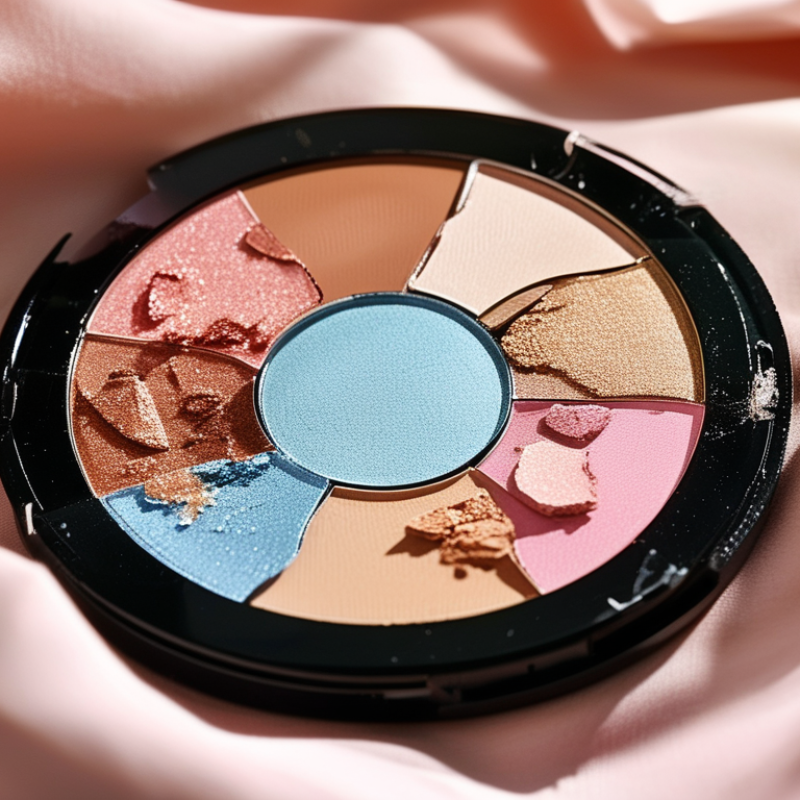
When dealing with a broken pressed eyeshadow palette, assessing the damage is crucial. Start by carefully inspecting the palette. Is it a minor crack or a complete shatter? This evaluation can help determine the best course of action. Broken eyeshadow can often be salvaged. However, some damage may render it unusable.
Next, consider the safety aspect. If the product has broken into too many small pieces, it might not be safe for use. Small fragments can get inhaled or cause irritation. It's also essential to evaluate whether your favorite colors are still intact. If you’ve lost a shade that you rely on, it can impact your daily makeup routine significantly.
Assessing the severity can be an emotional process. You may feel frustrated or disappointed. It's vital to take a moment to reflect on whether the palette is worth the effort to repair. Sometimes, embracing imperfections can lead to creative solutions. You might blend broken pieces with alcohol to create a new customized shade. This hands-on approach encourages creativity.
Repairing a broken pressed eyeshadow palette can be a rewarding DIY project. To start, gather essential tools and materials. You'll need isopropyl alcohol, a small mixing bowl, and a spoon. An old makeup brush or a cotton swab is also useful to help with application. Remember, working with fragile products can lead to messiness. So, prepare your workspace with a clean cloth or paper towels to catch any spills.
When your tools are ready, the fun can begin. Carefully break the remaining eyeshadow into smaller pieces using the spoon. Next, add a few drops of isopropyl alcohol into the mixing bowl. The right amount is crucial; too much can make it runny. Stir until it reaches a paste-like consistency. This step may take a bit of patience. Sometimes, the mixture doesn’t come out perfect. Don’t be disheartened; every attempt is a learning experience.
Once the mixture is prepared, press it into the palette. Use the back of the spoon to compact it down firmly. Ensure it's evenly spread, but perfection isn't necessary. Afterward, let the palette dry completely. This can take a few hours. A bit of trial and error might lead to the best result. Your first attempt may not be flawless, but that’s part of the journey in makeup repair.
Repressing a broken pressed eyeshadow palette can be a daunting task. However, it's a skill worth mastering. Studies show that about
60% of makeup users face this issue at some point. Knowing how to correctly repress eyeshadow not only saves money but also reduces waste.
To begin, gather your broken eyeshadow pieces and a few essential tools. You'll need isopropyl alcohol, a clean surface, and a small container. Combine the broken eyeshadow and alcohol in the container.
The mixture should have a paste-like consistency. Gently press the mixture down using a small tool or your fingers.
According to beauty experts, pressing firmly ensures that the eyeshadow will hold its shape once dry.
Let the palette sit undisturbed for 24 hours. It’s crucial not to use it immediately as this can affect the texture.
The transformation might not be perfect, and some cracks could remain. Reflecting on our makeup practices, it’s important to embrace imperfections in our products.
Overall, repressed makeup can be an effective solution, but results will vary based on technique and patience.
When faced with a broken pressed eyeshadow palette, there are several alternative techniques to bring it back to life. One popular method involves using rubbing alcohol. Pour a few drops onto the crushed powder, and gently mix it with a spatula. Pat it down firmly, and let it dry overnight. This technique can restore the texture and allow for smoother application. However, achieving a perfect blend is not always guaranteed, and some might notice a slight color change.
Another technique involves using a binder. This could be a natural oils like coconut or jojoba oil. By mixing a small amount of oil with the pressed powder, you can mold it back into its original form. While this method can create a smoother finish, it may also alter the shadow's opacity. Experimenting with the amount of oil needed can lead to a trial-and-error process, which can be frustrating. Be prepared for some mishaps along the way.
Using a fixative spray is another alternative. After reassembling your pressed eyeshadow, spray it lightly while holding the palette at a distance. This can help set the product, albeit risks can arise if overspray occurs. The shadows might become too wet or lose their original integrity. Each method requires practice and patience, so it's important to accept that results may vary. Embrace the imperfections, as they can add unique character to your makeup collection.
Taking care of your pressed eyeshadow palette can prevent future breakage. A little attention goes a long way. Start with storing your makeup in a cool, dry place. Excessive heat can cause the product to soften and break. Avoid areas like bathroom shelves. Instead, think of a stable environment away from moisture.
When traveling, pack your makeup carefully. Consider soft bags or pouches that cushion items. Avoid tossing your palette into your bag haphazardly. Wrap it in a soft cloth for extra protection. Small cracks can develop over time. It's essential to handle your palettes gently.
Regular maintenance is vital. Clean your palette occasionally with a soft, dry cloth. This can prevent buildup that leads to cracks. Remember, a cracked palette not only looks bad but is also harder to use. Take a moment to check your makeup before a big day. A little effort helps you maintain your collection. A reflective mindset ensures you can enjoy your favorite shades without worry.
| Method | Description | Prevention Tips |
|---|---|---|
| Isopropyl Alcohol Method | Combine broken eyeshadow with isopropyl alcohol to restore it. | Store palettes in a padded bag for travel. |
| Pressing Method | Use a coin or similar object to press the crushed eyeshadow back into place. | Avoid dropping or shaking the palette. |
| Binding with Tape | Use clear tape to bind the broken pieces together. | Keep in a cool, dry place. |
| Repacking | Transfer eyeshadow to a new container to use as loose powder. | Use a sturdy organizer for storage. |
| Humidity Control | Control humidity levels to prevent softening of the eyeshadow. | Store in air-tight containers. |
| Avoiding Direct Sunlight | Keep palettes away from direct sunlight to prevent melting. | Use a makeup bag for storage. |
| Proper Handling | Handle with care to avoid dropping. | Practice gentle motions when applying. |
| Regular Cleaning | Clean the palette to prevent residue buildup that can cause breakage. | Wipe with a dry cloth regularly. |
| Secure Packaging | Use protective packaging for shipping or travel. | Invest in protective cases for travel. |
| Temperature Considerations | Avoid extreme temperatures that can affect the eyeshadow integrity. | Store in a controlled environment. |
: Inspect the palette for cracks or shatters. This helps decide on potential restoration.
If the palette is shattered into small pieces, it may pose a safety risk. Avoid inhaling fragments.
Losing a favorite shade can be upsetting. Consider blending broken pieces to create something new.
Gather broken pieces, isopropyl alcohol, and a container. Mix them, then press firmly into shape.
Aim for a paste-like consistency. This helps ensure the eyeshadow holds its shape when dry.
Allow the palette to sit undisturbed for 24 hours. This is key for desired texture and firmness.
Expect some imperfections. Embrace them; creative solutions often arise from less-than-perfect outcomes.
It’s normal to feel frustrated. Take a moment to reflect on your relationship with makeup. Creativity can flourish from setbacks.
If you're wondering how to fix a broken pressed eyeshadow palette, the process begins with assessing the damage to determine the severity of the breakage. Knowing whether it’s a minor crack or a complete disintegration will help guide your repair approach. Next, gather the necessary tools and materials, such as rubbing alcohol, a small bowl, and a clean spatula.
The article provides a step-by-step guide to repressing the eyeshadow correctly, ensuring a smooth and even finish. It also explores alternative techniques for restoring broken shadows, catering to different levels of damage. Finally, to prevent future breakage, the article offers valuable care tips for your makeup products, helping you preserve their quality and longevity. With these methods, your favorite eyeshadow palette can be revitalized and ready for use again.
