In the dynamic world of cosmetics, understanding "what is the difference between lip balm and lip gloss" is essential. Dr. Julia Harrington, a renowned cosmetic chemist, emphasizes, "While both products enhance lips, their functions differ significantly." Lip balms primarily provide hydration and protect against dryness. They often contain nourishing ingredients like shea butter and beeswax. On the other hand, lip gloss adds shine and can create a plump appearance. Glosses are typically formulated with oils for a glossy finish.
Choosing between these products requires knowing their unique benefits. Lip balms are essential for dry, chapped lips, especially in harsh climates. Yet, they may lack the vibrant color and shine many desire. Conversely, lip gloss can enhance beauty but might not offer the same level of care for lip health. Users often overlook this distinction. Reflecting on personal needs is crucial when selecting between these two. Understanding the purpose of each can lead to better choices for lip care and enhance overall confidence.
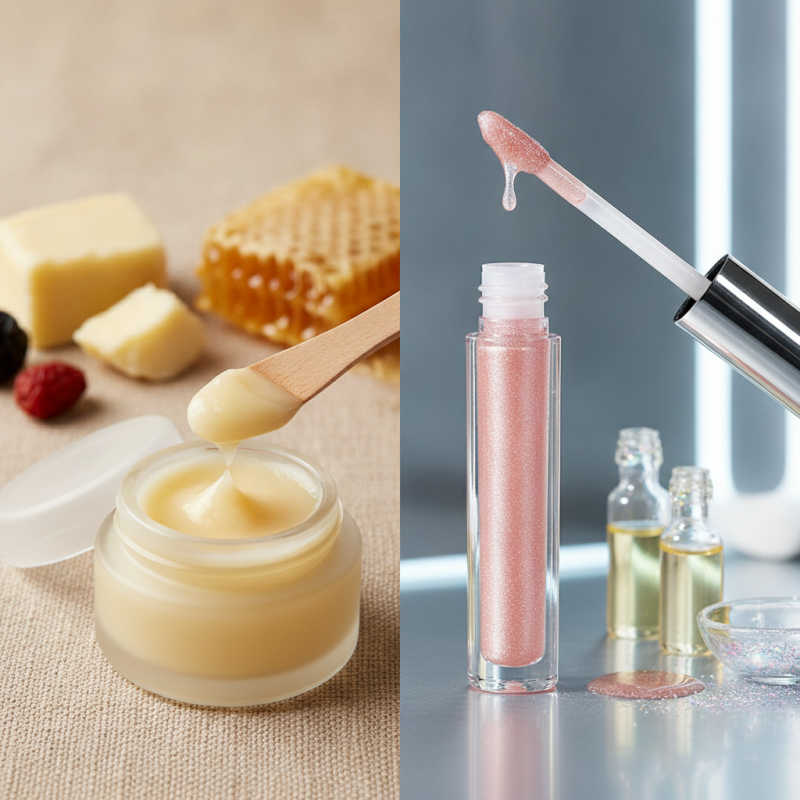
Definition of Lip Balm and Its Primary Functions
Lip balm serves a vital role in lip care. It is primarily designed to
moisturize and protect the lips from dryness and cracking. Unlike lip gloss, which is often used for
aesthetic purposes, lip balm focuses on healing and maintaining lip health. According to market research by Statista, the lip care market is projected to
reach $1.3 billion by 2026, indicating a growing awareness of these products' importance.
The ingredients in lip balms often include waxes, oils, and butters.
These components provide a barrier that locks in moisture. Clinical studies emphasize that formulations
with natural ingredients such as sheal butter and beeswax can significantly improve
lip hydration. However, many users overlook the necessity of reapplying lip balm regularly.
Neglecting this can result in worsened dryness over time.
Interesting data from the American Academy of Dermatology suggests
that people tend to switch to lip gloss for a glossy finish, often compromising lip care. This is a concern.
Lip balms should remain a staple in our daily routines, especially in dry climates, where lips are more vulnerable.
A balanced approach to using lip products can enhance both appearance and health.
Definition of Lip Gloss and Its Primary Functions
Lip gloss is a popular cosmetic product designed to enhance the appearance of lips.
It is typically a glossy, shiny formula that adds a touch of color and luster. Many lip glosses contain moisturizing ingredients,
making them ideal for dry or chapped lips. This dual function of adding shine while providing hydration is one of its main appeals.
In 2026, lip gloss continues to evolve. Users look for formulas that offer not just shine but also a burst of color.
Many products now include natural oils and vitamins.
These enhance the lip's softness while preventing dryness. However, not all lip glosses are created equal.
Some may feel sticky or heavy, and others may fade quickly. It’s important for consumers to test different products to find the right one for their needs.
Quality can vary, so researching ingredients is vital for a satisfying experience.
Key Differences in Ingredients and Formulations
In 2026, the cosmetic industry highlights notable differences between lip balm and lip gloss. Both products serve distinct purposes, shaped by their ingredient compositions.
Lip balms often focus on hydration, using beeswax, oils, and butters to lock in moisture. These ingredients create a protective layer on the lips, which is crucial for maintaining softness. For instance, a recent report from the Cosmetic Ingredient Review reported that lip balms with shea butter retain moisture significantly longer than those without.
Conversely, lip gloss prioritizes shine over hydration. Glosses incorporate sparkling agents and thickening agents, such as polybutene and silica, promoting a luminous finish. According to market analysis, consumer preference is shifting towards formulations that blend the benefits of both. Yet, many glosses lack long-lasting hydration due to the absence of occlusive agents. This raises questions about the effectiveness of glosses when it comes to true lip care.
Moreover, the trend is evolving, and some brands are experimenting with hybrid formulations. These aim to deliver both shine and moisture, but they may not always succeed. Users may notice that while a gloss offers immediate visual appeal, it often requires reapplication, detracting from its convenience. Balancing functionality with aesthetics remains a challenge in product development.
Effects on Lip Health and Appearance
In 2026, the differences between lip balm and lip gloss highlight their distinct effects on lip health and appearance. Lip balm primarily focuses on hydration. It often contains nourishing ingredients like shea butter and beeswax. These components help protect the lips from dryness. On the other hand, lip gloss is more about aesthetics. It delivers a shiny finish and can add color. However, its moisturizing properties may not be as strong as those in lip balm.
Users often report feeling a sticky sensation with gloss. This can be uncomfortable, especially in hot conditions. Many lip glosses use synthetic ingredients that may irritate sensitive lips. In contrast, lip balm generally feels soothing and breathable. People might choose lip balm for daily use, especially in dry climates. Some glosses may provide SPF protection, but this is often overlooked. The trend is toward natural ingredients in both products, but quality varies significantly.
Choosing between them requires understanding your needs. If lip health is a priority, opt for lip balm. If a vibrant look is desired, gloss may be tempting. Yet, over-reliance on gloss can lead to dryness over time. Consider rotating between the two for balanced lip care. It’s important to assess what works best for your unique lips.
What is the Difference Between Lip Balm and Lip Gloss in 2026 - Effects on Lip Health and Appearance
| Attribute |
Lip Balm |
Lip Gloss |
| Primary Purpose |
Moisturizing and protecting lips |
Enhancing shine and color |
| Texture |
Creamy and thick |
Lightweight and slippery |
| Hydration |
High, often contains oils and butters |
Moderate, with a focus on aesthetics |
| Color Options |
Usually clear or tinted |
Wide range of colors and finishes |
| SPF Protection |
Often contains SPF for protection |
Rarely includes SPF |
| Longevity |
Lasts longer on lips |
May require frequent reapplication |
| Usage Timing |
Best for daily care and protection |
Best for going out or special occasions |
Current Trends and Innovations in Lip Care Products
In 2026, lip care products are seeing exciting trends. The line between lip balm and lip gloss is blurring, reflecting changing consumer needs. Many want hydration and shine in one product.
Innovative formulas are now common. Natural ingredients are dominating, appealing to eco-conscious users. Oils and butters provide deep moisture. They nourish while delivering a glossy finish. Many brands focus on sustainability, using recyclable packaging.
Customization is another key trend. Consumers now seek unique shades and finishes. They want products tailored to their skin tones. While some prefer sheer gloss, others crave vibrant color. This influx of choice can be overwhelming. It invites reflection on personal preferences and individual needs in lip care.
What is the Difference Between Lip Balm and Lip Gloss in 2026
The chart above illustrates the popularity of different features in lip care products, reflecting current trends in 2026. As consumers become more conscious of ingredients and their benefits, features like moisturizing elements and natural ingredients are gaining importance, while traditional attributes like shimmer and tinting are seeing a decline in preference.
Conclusion
In 2026, understanding what is the difference between lip balm and lip gloss is crucial for anyone interested in lip care. Lip balm primarily serves the purpose of moisturizing and protecting the lips from dryness and environmental damage. It often contains nourishing ingredients like beeswax or shea butter, which help maintain lip health. In contrast, lip gloss is designed to enhance the appearance of the lips by providing shine and a hint of color, typically featuring a lighter formulation that may include ingredients like oils or silicone.
The key differences in their ingredients and formulations highlight their distinct functions: while lip balms focus on hydration and protection, lip glosses prioritize aesthetic appeal. Current trends also show a shift towards innovative lip care products that combine the benefits of both, catering to consumers' desires for healthy and beautiful lips. Understanding these differences can help individuals make informed choices for their lip care routines.

 Bremma Beauty