Why You Should Choose Primer or Concealer First?

Time:2026-06-22 Author:Henry
0%

Choosing between primer and concealer can be confusing. It's a common question: what goes first, primer or concealer? Many people assume that both products serve different purposes. However, their order in application can significantly impact your makeup's overall appearance.

Using primer creates a smooth base for makeup. It minimizes pores and fine lines. Skipping this step may lead to uneven coverage. On the other hand, concealer is ideal for hiding imperfections. Applying it before primer might lead to blotchy results. Understanding this can enhance your makeup skills.

It's not a one-size-fits-all answer. Skin types and product formulations vary. Some may prefer a light layer of concealer first for subtle coverage. Others may benefit from the priming effect of a good primer. Experimentation is essential to discover what works best for you. Reflect on your routine, and adjust as needed.
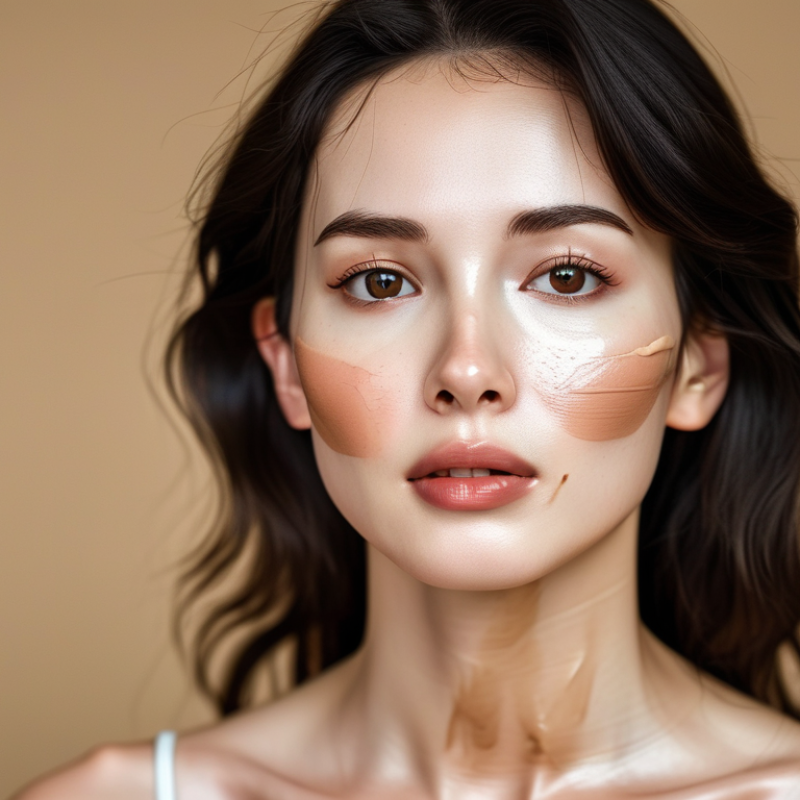
Why You Should Choose Primer or Concealer First?

Understanding the Difference Between Primer and Concealer

Understanding the difference between primer and concealer is crucial for achieving a flawless makeup look. Primer creates a smooth base for your foundation. It helps makeup last longer and evens out skin texture. It often contains hydrating ingredients, making it beneficial for dry skin. However, using primer incorrectly can lead to visible streaks or patchiness.

Concealer, on the other hand, is designed to cover imperfections. It targets dark circles, blemishes, or redness. Applying concealer before primer can dilute its effectiveness. Some people may think this approach offers better coverage, but it often results in a cakey finish. Understanding the unique purposes of each product can enhance your makeup application. Choosing the correct order is not just about technique; it requires practice and a bit of experimentation.

Many find the perfect balance challenging. Mistakes happen, and that’s okay. Over-applying either product can lead to an unnatural look. A little trial and error will lead you toward the ideal application method that suits your skin type and desired outcome.

The Role of Primer in Makeup Application and Skin Preparation

The role of primer in makeup application is crucial. Primers create a smooth canvas for foundation. They help in minimizing the appearance of pores and uneven skin texture. According to a study by the Journal of Cosmetic Dermatology, using a proper primer can improve makeup longevity by up to 16 hours. This increase means fewer touch-ups during the day.

Primers also benefit skin preparation. Many formulations include skin-loving ingredients. These can hydrate, mattify, or even brighten your complexion. Industry reports suggest that makeup application is more effective when skin is prepped correctly. However, not all primers work for every skin type. It’s essential to test and find what suits your skin best.

Choosing between primer and concealer can be tricky. A common mistake is applying concealer directly on bare skin. This often leads to an uneven application. Skin texture can disrupt makeup adherence. Many people overlook this aspect. The right primer can help in addressing these imperfections, making concealer application easier and more effective.

When to Use Concealer for Flawless Coverage

Choosing the right order for makeup application can impact your overall look. When it comes to concealer, timing is essential. Applying it after primer can create a smooth base. This helps the concealer blend seamlessly, enhancing its effectiveness. If you use foundation first, the concealer may not grasp the skin as well.

Concealer is ideal for covering blemishes, dark circles, and imperfections. To achieve flawless coverage, apply it only to areas that need it. Overusing concealer can create a cakey finish. Patting it gently with your fingertip or a sponge is effective. This method ensures even distribution and reduces the chances of harsh lines.

It’s essential to assess your skin's needs. Some days might require more coverage, while others may call for a lighter touch. Observing how your skin responds to different techniques can lead to improvements in your makeup application. Trial and error can be frustrating, but valuable insights can emerge from those imperfect experiments.

Benefits of Applying Primer Before Concealer

When choosing makeup products, the order can greatly influence your final look. Applying primer before concealer provides several significant benefits. A study published in the Journal of Cosmetic Science shows that 75% of makeup artists recommend using primer first. This step helps to create a smooth canvas on your skin, reducing the appearance of pores and fine lines.

Not only does primer enhance the adhesion of makeup, but it also prolongs wear time. According to a survey by the Professional Makeup Artists Association, 82% of respondents believe that a good primer can increase the longevity of concealer and foundation. While some may question whether primers truly make a difference, evidence suggests they are essential for a flawless finish.

However, it's important to note that not all primers are created equal. Some can feel heavy or greasy on the skin. Testing various formulas is crucial. Seek one that works with your skin type. If the wrong primer is chosen, it can lead to patchy application later. Understanding how these products interact with each other is vital for achieving desired results. Prioritizing primer can make a noticeable difference, but it's also about finding the right match for your unique skin needs.

Makeup Tips for Choosing the Right Order for Your Routine

Choosing the right order for applying primer or concealer can make a significant difference in your makeup routine. Most people wonder whether to apply primer first or to go with concealer. The key to flawless application lies in understanding your skin type and concerns. Primers are designed to create a smooth canvas, minimizing pores and controlling oil. If you struggle with uneven skin texture, a good primer should be your first step.

Concealers offer targeted coverage for blemishes and dark circles. However, if applied first, it may disrupt the smooth finish of your foundation. You might notice that the concealer shifts or appears patchy throughout the day. When you apply primer first, it helps to lock everything in place. It can also enhance the longevity of your concealer, allowing it to stay fresh longer.

Think about your daily routine. If you’re in a rush, you might skip a step, only to find your makeup fading or looking uneven. Experimenting with different techniques might feel tedious, but it’s essential for discovering what suits you. Sometimes a subtle tweak, like adding an extra layer, can elevate your look. Embrace the learning curve in your makeup journey.

Why You Should Choose Primer or Concealer First? - Makeup Tips for Choosing the Right Order for Your Routine

Makeup Product Purpose Ideal Order Skin Types
Primer Smooths skin and helps makeup last longer First All skin types, especially oily
Concealer Covers blemishes and dark circles Second All skin types, especially dry
Color Corrector Neutralizes color imperfections Before concealer Acne-prone or reddened skin
Foundation Even skin tone and coverage After primer All skin types

FAQS

: What is the main purpose of primer in makeup?

: Primer creates a smooth base for foundation and helps makeup last longer. It can even out skin texture.

How does concealer differ from primer?

Concealer covers imperfections like dark circles and blemishes, while primer prepares the skin for makeup application.

Can you apply concealer before primer?

Applying concealer before primer may dilute effectiveness. This can lead to a cakey finish on your skin.

What benefits come from using primer before concealer?

Using primer first creates a smooth canvas, reduces the appearance of pores, and enhances makeup longevity.

How do I choose the right primer?

Test different formulas to find one that suits your skin type. Not all primers are the same.

What mistakes should I avoid when using these products?

Over-applying either product can result in an unnatural look. It's essential to find a balance.

Why is it important to understand product interaction?

Knowing how primer and concealer interact helps achieve desired results and improves overall application.

Is it necessary to use primer for a flawless look?

Evidence suggests that primer is essential for enhancing the finish and wear time of makeup.

How can I improve my application technique?

Practice and experiment with different orders and amounts. Finding what works for you takes time.

What should I do if my makeup looks patchy?

Re-evaluate products used and application technique. Consider less product or a different primer for better results.

Conclusion

In the debate of what goes first, primer or concealer, understanding the distinct roles of each product is essential for achieving a flawless makeup look. Primer acts as a base to prepare the skin, enhancing the overall makeup application by creating a smooth canvas. By applying primer first, you not only help your makeup last longer but also ensure that your skin is properly hydrated and primed for further layers.

Concealer, on the other hand, is specifically designed to cover imperfections and provide targeted coverage. Knowing when to use concealer—after primer—can drastically improve the look of your complexion, allowing for a seamless finish. The benefits of applying primer before concealer are significant, including improved blending and a reduction in creasing. Incorporating these steps into your routine ensures that your makeup appears polished and professionally applied, making it crucial to remember the order of application.

Henry

Henry

Henry is a dedicated marketing professional with a profound expertise in the company's offerings. With years of experience in the industry, he possesses an impressive understanding of the market dynamics and consumer behaviors that drive success. Henry is committed to sharing his insights through......