China Best Lip Balm vs Lip Gloss What Is the Difference?

Time:2026-10-18 Author:Oliver
0%

What is the difference between lip balm and lip gloss? The answer begins with purpose, not packaging. Lip balm is formulated to reduce dryness and support the lips’ protective barrier. Lip gloss mainly creates shine, color, and a smoother-looking surface. Some modern glosses add oils, botanical extracts, or moisturizing ingredients. They may feel comfortable, but they are not automatically substitutes for barrier care.

Dermatologist Dr. Zoe Diana Draelos explains the distinction clearly: “Lip balm protects the lips, while lip gloss enhances their appearance.” This simple statement is useful, although real formulas can overlap. A glossy balm may provide both comfort and shine. A plumping gloss may feel tingly, which is not the same as repairing dryness. Read the ingredient list carefully.

Market data shows why this comparison matters. Grand View Research valued the global lip care products market at approximately USD 3.32 billion in 2022 and projected continued growth through 2030. Circana has also reported strong consumer interest in lip products that combine treatment and cosmetic benefits. These figures describe broad market behavior, not proof that every Chinese product performs equally well.

For buyers comparing China’s best lip balm and lip gloss options, texture is only one clue. Check waxes, oils, humectants, pigments, fragrance, and documented quality testing. Look for transparent manufacturer information and consistent batch standards. A soft balm may help during winter commutes, while gloss can add reflective shine under restaurant lighting. Neither choice is universally better. Personal comfort, climate, sensitivity, and intended use still matter. That is the part many comparisons overlook.
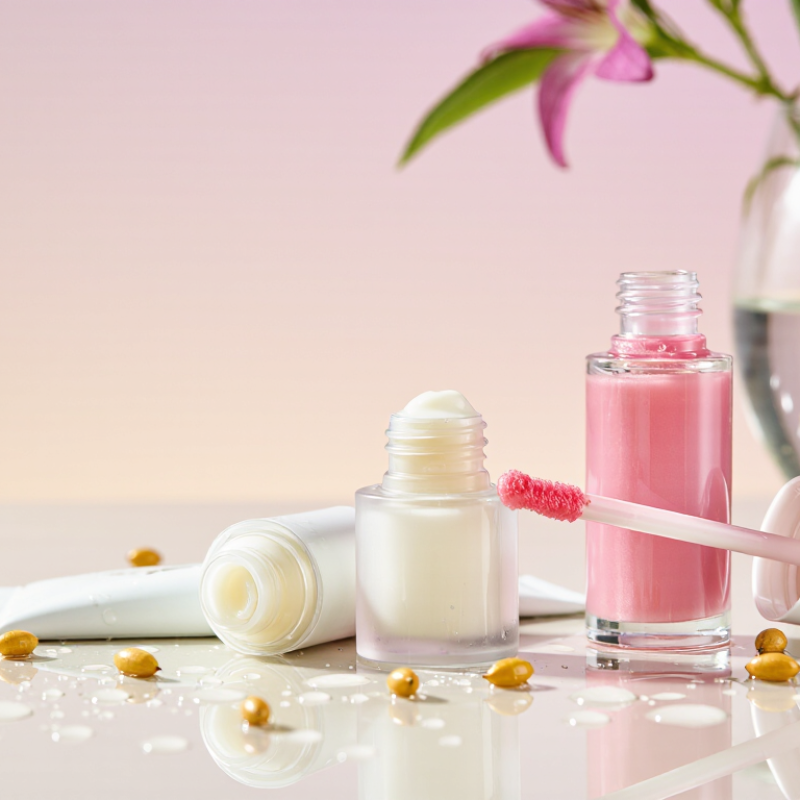
China Best Lip Balm vs Lip Gloss What Is the Difference?

What Is Lip Balm and What Is Lip Gloss?

Lip balm and lip gloss serve different purposes, although their tubes may look similar.

Lip balm is designed to protect and soften dry lips. It often contains waxes, oils, butters, or occlusive ingredients that reduce moisture loss. Some formulas also include sun protection.

Lip gloss mainly creates shine and a smoother-looking surface. Its texture is usually thinner, stickier, and less protective against dryness. The difference becomes obvious on a cold, windy day.

Market Insight Grand View Research estimated the global lip care products market at about USD 3.31 billion in 2023. Its report also projects a 5.9% compound annual growth rate from 2024 to 2030.

This growth reflects wider interest in daily lip comfort, cosmetic color, and convenient personal care. However, market growth does not mean every formula suits every person. Ingredient performance can vary with climate, skin sensitivity, and application habits.

A glossy finish may look attractive, but it cannot replace dependable moisture protection.

Tips: Choose lip balm when lips feel tight, flaky, or exposed to dry air. Use lip gloss when shine and visual fullness matter more.

For daytime outdoor use, check the label for broad-spectrum SPF. Apply a small amount first. If stinging, redness, or persistent peeling appears, stop using it and seek professional advice.

A simple routine is often more reliable than layering several products.

How Lip Balm and Lip Gloss Differ in Purpose and Texture

China Best Lip Balm vs Lip Gloss: What Is the Difference?

Lip balm and lip gloss serve different purposes, even when both look attractive in a cosmetic collection. Lip balm is mainly designed to comfort dry, tight lips. Its waxes, oils, and moisturizing ingredients create a protective layer that reduces moisture loss. Many balms feel firm or slightly dense, especially in cool weather. Lip gloss focuses more on appearance. It gives lips a wet shine, smoother-looking surface, and sometimes a hint of color. Its texture is usually fluid, sticky, or gel-like. Gloss can feel beautiful under light, but it may not protect severely chapped lips well.

In practical use, I notice balm works better before outdoor activities, air-conditioned travel, or bedtime. A thin layer feels less distracting. Gloss suits photos, social events, and makeup looks needing reflective shine. However, texture preferences are personal. Some glossy formulas feel comfortable, while some balms become waxy and drag across the lips. Product testing should include spreadability, scent, residue, and wear after drinking water. One detail is easy to miss: a smooth finish does not always mean deep hydration.

Tips: Check the ingredient list and choose based on your lip condition. For dryness, try a fragrance-free balm with occlusive ingredients. For shine, apply a small amount of gloss over hydrated lips. Too much gloss can migrate into fine lines. Reapply after eating. Patch testing is sensible if your lips react easily, though I sometimes skip it and regret that choice.

Key Ingredients Found in Lip Balm and Lip Gloss

China Best Lip Balm vs Lip Gloss: What Is the Difference?

Key Ingredients Found in Lip Balm and Lip Gloss

Lip balm and lip gloss share a simple purpose: keeping lips comfortable and visually appealing. Their ingredient structures are different. Lip balm usually relies on occlusives, such as petrolatum, mineral oil, beeswax, and plant waxes. These materials form a thin barrier over dry skin. Butters and oils add softness, while humectants may attract limited moisture. A balm with approved ultraviolet filters can also support daytime protection.

Lip gloss is designed for shine, spreadability, and a smooth finish. Common ingredients include polybutene, hydrogenated polyisobutene, lightweight esters, and silica. These create a reflective film rather than a heavy protective layer. Pigments and flavor materials may improve appearance and sensory appeal. However, fragrance can irritate sensitive lips. The ingredient list deserves a closer look.

Grand View Research estimated the global lip care products market at about US$2.1 billion in 2023. Its 2024 analysis also projected continued growth through 2030. Market figures vary because some reports include tinted treatments and medicated products. Euromonitor International’s 2024 beauty analysis highlighted stronger digital purchasing activity for personal care products. This makes ingredient education more important, not less. In practical product testing, a thick balm may feel safer on cracked lips, while gloss can emphasize flakes. That assumption is not always correct. Humectants, barrier ingredients, and personal sensitivity still change the result.

China Best Lip Balm vs Lip Gloss: What Is the Difference? — Key Ingredients Found in Lip Balm and Lip Gloss
Comparison Dimension Lip Balm Lip Gloss
Primary Purpose Helps reduce dryness and supports the skin barrier by forming a protective layer on the lips. Primarily improves the appearance of the lips by adding shine, a wet-look finish, and sometimes sheer color.
Typical Texture Waxy, creamy, or ointment-like. It may feel rich or protective, especially in a stick or pot formula. Liquid, gel-like, or syrupy. The texture may range from lightweight and non-sticky to thick and cushiony.
Common Base Ingredients Petrolatum Beeswax Candelilla Wax Carnauba Wax Mineral Oil Hydrogenated Polyisobutene Polybutene Mineral Oil Synthetic Waxes
Moisture-Softening Ingredients Often contains emollients and occlusives such as shea butter, cocoa butter, lanolin, squalane, and plant oils to soften lips and reduce moisture loss. May contain emollients such as castor seed oil, jojoba oil, vitamin E, or esters to improve slip and provide a smoother feel, although hydration is not always the main function.
Humectants Some formulas include glycerin, hyaluronic acid, or other humectants to attract water. Humectants are usually paired with occlusive ingredients. Some formulas include glycerin or other water-binding ingredients, but the formula often relies more on gloss-forming oils, polymers, and film-formers.
Protective Barrier Usually stronger because waxes and occlusives help reduce transepidermal water loss and shield lips from wind or dry air. Can provide a temporary coating, but the level of barrier protection varies widely and is generally secondary to shine and appearance.
Finish Usually natural, satin, or lightly glossy. Some tinted balms provide a soft wash of color. Glossy, glass-like, pearlescent, metallic, or high-shine. Color intensity may range from transparent to opaque.
Color Payoff Usually sheer or subtle, although tinted and color-adjusting versions can provide more visible color. Can be clear, translucent, shimmer-based, or strongly pigmented depending on the amount of colorant used.
Sun Protection Some lip balms contain UV filters such as zinc oxide, titanium dioxide, or approved organic sunscreen filters. SPF is not automatic, so the label should be checked. Some lip glosses include UV filters, but many do not. A glossy appearance should not be treated as sun protection unless an SPF claim is provided.
Best Use Daily lip care, dry or rough lips, cold-weather protection, overnight use, and preparing lips before applying color products. Adding shine, enhancing lip makeup, creating a fuller-looking appearance through reflection, and layering over lip color.
Wear Characteristics Often stays in place longer when the formula is waxy or ointment-based, but it may need reapplication after eating or drinking. Usually transfers more easily and may require frequent reapplication, especially after eating, drinking, or talking.
Sticky Feel Typically low to moderate, depending on waxes, oils, and the thickness of the formula. Ranges from non-sticky to noticeably tacky. High-shine formulas may use film-formers or polymers that increase adhesion.
Application Format Commonly available in sticks, squeeze tubes, pots, and overnight masks. Commonly available in squeeze tubes, doe-foot applicators, and brush-tip packages.
Potential Sensitivities Fragrance, flavor oils, menthol, camphor, essential oils, lanolin, and certain preservatives may irritate sensitive lips. Fragrance, flavor oils, plumping agents, glitter particles, essential oils, and some preservatives may cause irritation or dryness in sensitive users.
How to Choose Choose a balm when comfort, moisture retention, barrier support, or protection from environmental dryness is the priority. Choose a gloss when shine, visual enhancement, sheer color, or a reflective makeup finish is the priority.
Can They Be Used Together? Yes. Apply a thin layer first, allow it to settle, and then apply gloss if additional shine is desired. Yes. It can be layered over balm or lip color, although too much balm underneath may reduce gloss adhesion.
Key takeaway: Lip balm is generally formulated for comfort, moisture retention, and protective care, while lip gloss is mainly formulated for shine, visual enhancement, and sometimes color. Ingredient lists and product claims should always be checked because formulas vary.

When to Choose Lip Balm or Lip Gloss

China Best Lip Balm vs Lip Gloss: What Is the Difference?

When to Choose Lip Balm or Lip Gloss

Lip balm is the practical choice when your lips feel dry, tight, or slightly cracked. Its waxes and oils create a protective layer that helps reduce moisture loss. Choose a balm before outdoor activities, especially in cold, windy weather. A formula with shea butter, petrolatum, or plant oils may feel more comfortable. For daytime use, consider added sun protection.

Lip gloss serves a different purpose. It mainly adds shine, a smoother appearance, and sometimes sheer color. The texture is usually lighter and more slippery than balm. Choose gloss for makeup looks, photos, or a quick polished effect. However, gloss may not relieve serious dryness. Some highly scented formulas can also bother sensitive lips, so check the ingredient list carefully.

In my experience, applying balm first can make gloss look smoother. Leave a short gap between layers. Too much balm may cause the gloss to slide. A cosmetic formulator would also suggest checking texture, packaging hygiene, and stability testing. These details matter when comparing products made in China or elsewhere. I once chose a glossy formula for comfort, but it felt sticky after an hour. My judgment was too quick. Test a small amount, observe the finish, and choose according to your lips, weather, and daily routine.

How to Use Lip Balm and Lip Gloss Together

China Best Lip Balm vs Lip Gloss: How to Use Them Together

Lip balm and lip gloss serve different purposes. Lip balm mainly supports dry, tight lips with moisturizing ingredients and protective oils. Some formulas also include sun protection, which is useful outdoors. Lip gloss adds shine and a smoother-looking finish, but it may not relieve dryness for long. In my experience, applying gloss directly onto cracked lips can make uneven texture more noticeable. It can also feel uncomfortable in cold or windy weather.

For a balanced routine, start with clean, dry lips. Apply a thin layer of lip balm and wait two or three minutes. This gives the balm time to settle instead of mixing immediately with the gloss. Then add a small amount of gloss to the center of your upper and lower lips. Press your lips together gently. Do not rub too much. The balm creates comfort, while the gloss provides shine and a polished appearance. Still, this method is not perfect for everyone. Some glossy formulas slide easily over rich balms.

Tips: Choose a lightweight balm under gloss. Avoid layering heavily. Remove both products before sleeping if your lips feel coated. Check the ingredient label when sensitivity is a concern, especially with fragrance or strong flavoring. Stop using a product if burning, swelling, or persistent irritation appears. Less is often better. Reapply the balm when your lips feel dry, not only when they look shiny.

China Best Lip Balm vs Lip Gloss: What Is the Difference?

This category-level comparison uses a 0–5 practical emphasis scale, where 5 means the product type is commonly designed around that function. Lip balm generally focuses on moisture retention and barrier support, while lip gloss mainly adds shine and a smooth cosmetic finish. For layering, apply lip balm first, allow it to settle, and then add lip gloss.

FAQS

What is the main difference between lip balm and lip gloss?

Lip balm mainly helps reduce moisture loss with waxes, oils, or occlusive ingredients. Lip gloss mainly adds shine, slip, and sometimes sheer color. Different jobs.

Which product is better for dry or slightly cracked lips?

Lip balm is usually more suitable for tight, dry, or slightly cracked lips. It creates a thin protective layer over the surface. Gloss may highlight flakes instead.

What ingredients are commonly found in lip balm?

Common ingredients include petrolatum, mineral oil, beeswax, plant waxes, butters, and plant oils. Some formulas contain humectants or approved ultraviolet filters. Check the label carefully.

What ingredients help create lip gloss’s shiny finish?

Lip gloss often uses polybutene, hydrogenated polyisobutene, lightweight esters, and silica. These ingredients create a smooth, reflective film. They do not always relieve dryness.

Can lip balm and lip gloss be used together?

Yes, but apply a thin layer of balm first. Wait two or three minutes before adding gloss. Then place a small amount on the lip centers. Too much balm can make gloss slide.

Should gloss be applied directly onto cracked lips?

It may feel uncomfortable and can make uneven texture more visible. A lightweight balm may create a smoother base. This is not perfect for everyone.

Can fragrance or flavoring irritate sensitive lips?

Yes, fragrance and strong flavor materials may bother sensitive lips. Burning, swelling, or persistent irritation means you should stop using the product. Do not ignore discomfort.

How should lip products be tested before regular use?

Apply a small amount and observe the texture, comfort, and finish. Notice whether the product feels sticky after an hour. I once judged gloss too quickly. The result surprised me.

Conclusion

Lip balm and lip gloss are both popular lip products, but they serve different purposes. Lip balm is mainly designed to moisturize, soften, and protect dry or chapped lips, often with nourishing oils, waxes, butters, or protective ingredients. Lip gloss, on the other hand, focuses on adding shine, a smooth appearance, and sometimes sheer color. Its texture is usually more fluid, glossy, and lightweight, while lip balm tends to feel richer and more protective. Understanding what is the difference between lip balm and lip gloss can help you choose the right product for your needs.

Choose lip balm when your lips need hydration, comfort, or daily protection, especially in dry or windy weather. Choose lip gloss when you want a polished, radiant finish or an extra layer of shine. You can also use them together by applying lip balm first, allowing it to absorb, and then adding a thin layer of lip gloss for moisture and a glossy look.

Oliver

Oliver

Oliver is a seasoned marketing professional with a wealth of expertise in driving brand awareness and engagement. With a deep understanding of our company's product offerings, he consistently delivers high-quality content that enriches our professional blog. His insights not only shed light on......