Lip liner has become a staple in beauty routines for enhancing lip appearance. Recent data shows that 41% of consumers use lip liners regularly. The quest for plumper lips drives many to seek effective techniques. Understanding how to use lip liner to make lips look bigger can transform your look.
Experts recommend choosing the right shade, typically one to two hues darker than your natural lip color. This technique creates depth and dimension. Studies indicate that well-defined lips can make the face appear more youthful. A professional survey found that 68% of respondents feel more confident with fuller lips, showcasing the emotional impact of this beauty trend.
Finding the perfect application technique requires practice. Overlining the lips can risk a clumsy look. Additionally, blending the liner well is key. A survey reported that 55% of users struggle with uneven application. Such imperfections are part of the learning curve. Embrace the process to refine your skills.
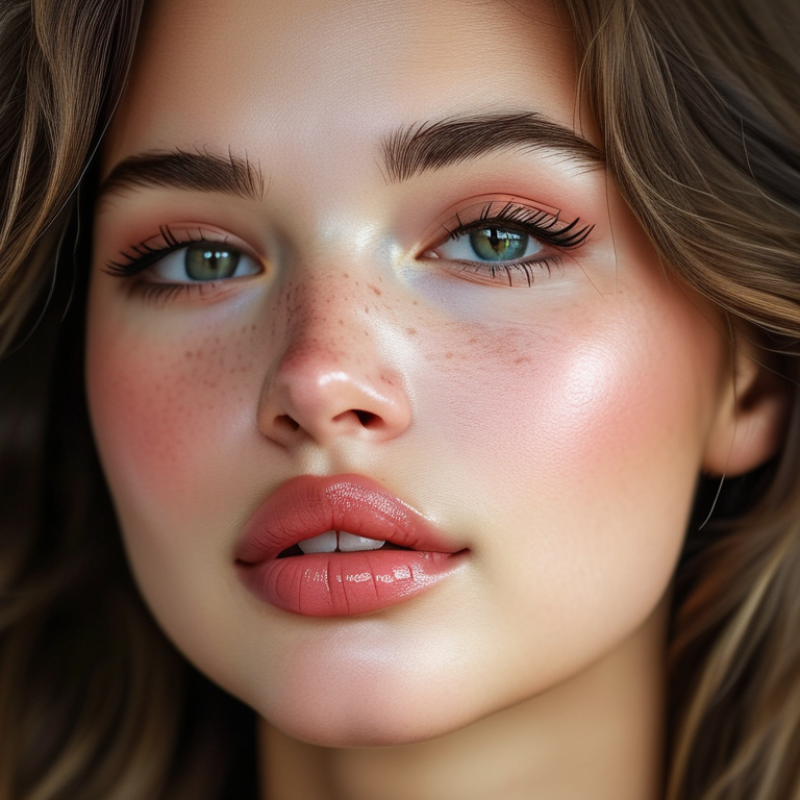
Lip liner plays a crucial role in lip augmentation techniques. When applied correctly, it enhances the shape and size of the lips. The fine line created by the liner serves as a boundary, preventing lipstick from feathering. This is essential for achieving a polished, fuller look. Soft, blended edges can create an illusion of volume. The right shade can make a significant difference. Matching the liner to your natural lip color or lipstick enhances the effect.
Understanding your lip shape is vital. A well-defined cupid's bow can create a striking impact. Experimenting with overlining can boost fullness. However, be cautious — overdoing it may result in an unnatural appearance. The goal is to enhance, not drastically alter. Many struggle to find the balance between bold and subtle. In the pursuit of bigger lips, it's easy to become overwhelmed by techniques and products.
Texture and finish also matter. Matte liners provide a more defined look, while glossy options can enhance shine. Layering products can create depth, but finding the right combination may take time. It’s important to reflect on your choices. Lip liner can be a powerful tool, but it requires practice and patience to master. Emphasizing the natural shape often yields the best results.
To create the illusion of bigger lips, lip liner is an essential tool. Mastering the application techniques can enhance your lips beautifully. Begin by choosing a shade slightly darker than your natural lip color. This adds depth and contrast.
When applying lip liner, focus on the Cupid's bow. Accentuate the peaks for a fuller upper lip. Use small strokes along the edges. Press lightly to avoid harsh lines. After outlining, slightly feather the liner toward the center of your lips. This softens the look and creates a seamless blend.
Another key technique is overlining. Carefully trace just outside your lip's natural line. Do this on the center of your lips, avoiding the corners. This method can offer a plumper appearance. However, be mindful: overdoing it may create an unnatural look. It’s about striking a balance between enhancement and authenticity. For a polished finish, apply your favorite lipstick over the liner. You may find the combination leads to both definition and volume.
Choosing the right lip liner shade can transform the appearance of your lips. Color theory plays a crucial role in this process. For bigger-looking lips, select shades that complement your natural lip color. Ideally, you want to choose a liner that is one to two shades darker than your lipstick or your natural lip color. This creates depth and dimension.
Consider the undertones of your skin when making your choice. Warm undertones often work well with coral and peach shades, while cool undertones benefit from pinks and berries. Some people might struggle with colors that wash them out or clash with their makeup. Experimenting is key. You may find that what looks great in the tube doesn’t translate well on your lips.
Don’t forget about the impact of blending. A well-blended lip liner enhances shape without harsh lines. However, over-blending can make your makeup look muddy. A touch of a lighter gloss in the center can also create an illusion of fullness. Balance is essential. Finding the right shade and technique may take time and experimentation, but it can lead to beautiful results.
Lip liner can be a game-changer for achieving fuller looking lips. However, feathering is a common issue many face. According to a survey by the American Society of Plastic Surgeons, approximately 30% of women use lip liner to prevent feathering. This step ensures a neat, defined look, especially with brighter lipstick shades.
To prevent feathering, choose a lip liner that closely matches your natural lip color. Apply it lightly, starting from the center of your lips and moving outward. Avoid harsh lines; a softer approach creates a natural effect. Make sure your lips are hydrated. Chapped lips can lead to uneven application and increased feathering. A clinical report indicates that 40% of women struggle with hydration before applying makeup.
After lining, blend the color into your lips. This technique not only maintains a seamless look but also prevents the dreaded feather lines. Remember to use a setting spray to enhance longevity. Still, it is essential to accept that not every application may be perfect. Experimentation is key, as it allows you to find what feels best for you. Choose a moment each week to practice and refine your technique.
The use of lip liner has surged in popularity among beauty professionals. Recent industry statistics reveal that over 70% of makeup artists use lip liner in their kits. This indicates its prominence in enhancing lip shape and volume. Many professionals recommend lip liner as a foundation for creating fuller-looking lips. An effective lip liner can help define the lip's edges, making them appear more pronounced.
However, not all users apply lip liner correctly. A study found that 45% of individuals don’t blend the liner properly, which can lead to a harsh look. This highlights the importance of technique. Proper application involves using a shade close to your lipstick or natural lip color. Additionally, over 30% of respondents reported issues with feathering and fading, suggesting they might not be choosing the right formulation.
Despite the benefits, lip liner can feel daunting. Many professionals stress the need for practice and experimentation. While statistics show its effectiveness, not every technique suits everyone. This area remains ripe for exploration, inviting users to share their experiences and learn from one another. Engaging with the community helps refine skills while fostering confidence in using this makeup essential.
: Use a shade slightly darker than your natural color. This adds depth and contrast.
Accentuate the Cupid's bow to enhance the upper lip's fullness.
Use small strokes and press lightly. Feather the liner toward the center for a seamless blend.
Overlining involves tracing just outside your natural lip line. It can create a plumper appearance.
Avoid overdoing this technique to maintain a natural look. Balance is crucial.
Select a shade one to two tones darker than your lipstick for depth.
Warm undertones often suit coral or peach shades, while cool undertones benefit from pinks and berries.
Well-blended liner enhances shape without harsh lines, making lips look more defined.
Over-blending can create a muddy appearance. Balance is essential for a clean finish.
A touch of lighter gloss in the center can enhance the illusion of fullness.
In the quest for a fuller lip look, understanding how to use lip liner to make lips look bigger is essential. Lip liner plays a crucial role in lip augmentation techniques, allowing you to define your lips and create an illusion of volume. Key application techniques include lining slightly outside the natural lip line and using gradient shading to enhance fullness.
Choosing the right shades based on color theory can dramatically influence the perception of lip size; lighter shades can make lips appear plumper. Additionally, expert tips emphasize the importance of preventing feathering, which can detract from the desired effect. Recent industry insights reveal a growing trend among beauty professionals using lip liner to achieve this sought-after look, underlining its significance in modern makeup routines.
