Makeup can feel like a small science experiment: primer on the fingertips, foundation near the jawline, and concealer waiting under bright bathroom light. For beginners, the order matters because each product has a different job. Creams usually need a smooth surface, while powders can absorb moisture and soften shine. Still, beauty routines are not rigid formulas. Skin type, product texture, climate, and personal comfort can change the best sequence.
The question many new users ask is, “what is the correct order to apply makeup products?” This guide presents seven practical tips, supported by professional beauty research and everyday application experience. McKinsey’s Beauty market report projects the global beauty industry could approach $590 billion by 2028, showing how quickly routines and product choices are expanding. More choice can create confusion. Circana’s U.S. beauty industry reporting also tracks strong consumer interest across complexion, skincare, and hybrid makeup categories. The numbers suggest a crowded market, not a universal routine.
That distinction matters. A dewy skin tint may sit beautifully over moisturizer, while a thick cream foundation may separate without enough preparation. I have also learned that “more steps” does not always mean better makeup. Sometimes, it means more pilling, creasing, or wasted product. These beginner-friendly tips explain where skincare, primer, base makeup, color products, and setting products usually belong. They also leave room for adjustment, because real skin rarely behaves like a tutorial model. Expect guidance, not perfection.
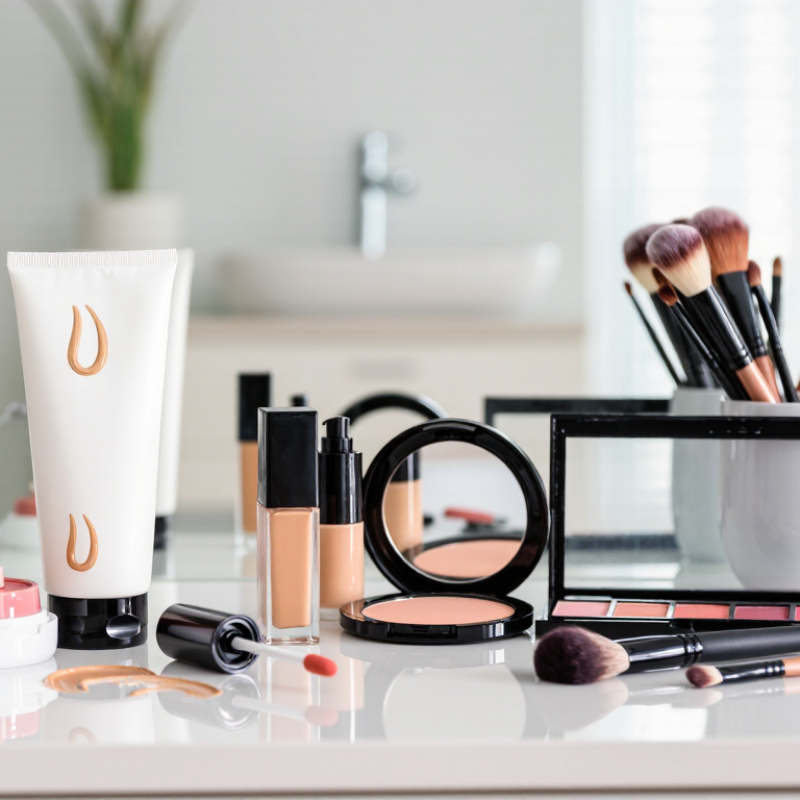
Makeup application feels easier when skin preparation comes before foundation. Cleanse gently, pat your face dry, and apply a light moisturizer suited to your skin type. Then apply broad-spectrum SPF 30 or higher at least 15 minutes before makeup. That waiting time matters. Sun protection needs contact with the skin, not a rushed layer hidden under cosmetics. Use enough product to cover your face, ears, neck, and exposed hairline. Many beginners apply too little, especially around the nose and temples.
I once rushed this step and noticed uneven foundation around my cheeks. Allowing the SPF to settle reduced pilling and helped concealer blend more smoothly. If your skin feels greasy, press it lightly with clean tissue instead of rubbing. Choose makeup labeled non-comedogenic if clogged pores concern you, but remember that no label guarantees perfect results for everyone. Skin reacts differently. Patch-test unfamiliar products when possible, especially before an important event.
Tips: Apply SPF with clean fingers and a steady, even motion. Wait 15 minutes. Keep the layer consistent. Add primer only after the sunscreen feels settled. If you spend extended time outdoors, reapply sun protection according to the product directions, even when wearing makeup. A powder or mist may help, but coverage can become uneven. Check exposed areas in a mirror, particularly your ears and neck.
Wash your face, pat it dry, and apply a lightweight moisturizer. Wait a few minutes before layering products. A calm base matters.
Use about a pea-sized amount. Press it onto the nose, cheeks, or forehead instead of rubbing heavily. The layer should feel almost invisible.
Place small dots across your face, then blend outward with clean fingers, a damp sponge, or a soft brush. Build coverage slowly. One thin coat often looks more natural than a heavy layer.
Apply a small amount beneath the eyes, beside the nose, or over visible blemishes. Tap the edges into the foundation. Do not cover your whole face without a real need.
Apply powder after foundation and concealer. Press a small amount onto the nose, forehead, and chin. Leave non-shiny cheeks fresh. Too much powder can look dry and heavy.
Let concealer settle briefly, then use the smallest amount of powder. Remove extra powder with a fluffy brush. I used to powder automatically. My face looked flat by lunchtime.
Replace mascara every three months, even when it still looks usable. Replace it sooner after an eye infection, unusual smell, or changed texture. Never add water or share eye makeup.
Wash brushes weekly with a suitable cleanser, rinse until the water runs clear, and dry them flat. Let bristles extend beyond the counter edge. Wash sponges frequently and dry them completely. I sometimes underestimate musty smells. That needs more attention.
Learning what is the correct order to apply makeup products can make your routine smoother, faster, and more natural-looking. Begin with clean, moisturized skin, then apply broad-spectrum SPF 30 or higher at least 15 minutes before makeup. Once the sunscreen has settled, use a light layer of primer, followed by foundation and concealer in thin coats. This approach helps create an even base without making the skin feel heavy or overly covered.
Set only the areas that need extra control with a small amount of powder after applying foundation and concealer. Next, add definition by shaping the brows and applying eye makeup, blush, bronzer, and highlighter in a balanced order that complements your features. Finally, maintain a hygienic routine by replacing mascara every three months and cleaning makeup brushes weekly. These simple habits support a polished appearance while helping keep your application tools fresh.

 Bremma Beauty